Makassar, Indonesia April 22 2026/APHREG. What we eat may affect more than our body weight. Our daily diet can also influence organs and biological systems that are not immediately visible—including the reproductive system. A high-fat diet has increasingly attracted attention because excessive dietary fat may contribute to metabolic disturbances and oxidative stress, conditions that can potentially affect male reproductive health.
One important indicator of male reproductive health is sperm quality. Healthy sperm cells need appropriate structure, movement, and cellular integrity to successfully support reproduction. When the body experiences unfavorable conditions, including nutritional imbalance and oxidative stress, spermatozoa may become more vulnerable to damage.
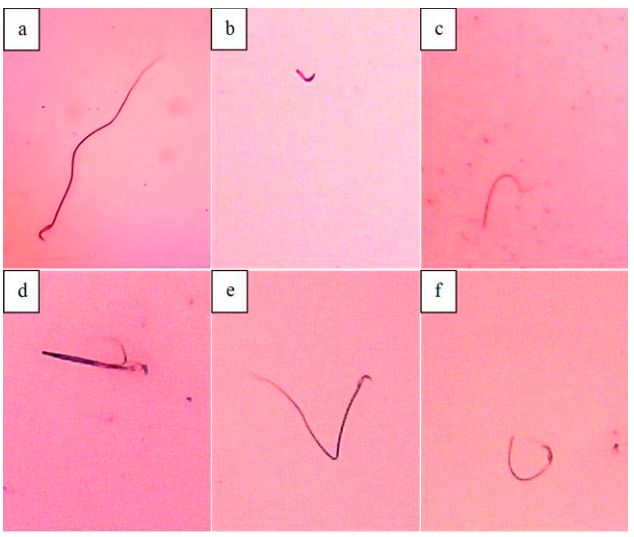
This issue was explored in a study entitled “Effect of Probiotic Supplementation on Spermatozoa Quality in Male Wistar Rats Fed a High-Fat Diet.” The article was published in the International Journal of Agriculture and Biosciences, a publication of Unique Scientific Publishers, on 22-Apr-26. The study used male Wistar rats to investigate whether probiotic supplementation could influence spermatozoa quality in animals receiving a high-fat diet.
Why are probiotics interesting in this context? Probiotics are beneficial microorganisms that can support the balance of the gut microbiota. Although they are commonly associated with digestive health, the effects of the gut microbiome may extend beyond the digestive tract. Scientists are increasingly investigating connections between the gut, metabolism, immunity, and reproductive function.
A high-fat diet may create an unfavorable internal environment through metabolic changes and increased oxidative stress. Sperm cells are particularly sensitive to oxidative damage because their cell membranes contain high levels of polyunsaturated fatty acids. Excessive oxidative stress can therefore interfere with sperm function and quality.
The study provides an interesting perspective: nutritional interventions such as probiotics may have potential as part of a broader strategy to maintain reproductive health under dietary stress. Rather than viewing probiotics simply as products for digestion, research such as this encourages us to consider their possible role in maintaining overall physiological balance.
Importantly, findings from animal studies should not be directly interpreted as proof that the same effects will occur in humans. Further research is needed to understand the mechanisms involved and determine whether similar benefits can be demonstrated in other animals and, eventually, in humans.
This research is closely connected to Sustainable Development Goal (SDG) 3: Good Health and Well-being. SDG 3 promotes healthy lives and well-being for people of all ages. Understanding how nutrition affects reproductive health can contribute to broader efforts to promote healthier lifestyles and prevent health problems before they become more serious.
Ultimately, this study reminds us that reproductive health does not stand alone. It is influenced by nutrition, metabolism, lifestyle, and the complex relationship between different systems within the body. What happens in the gut may have implications far beyond digestion—and perhaps even for the future of male fertility.
Reference
DOI: https://doi.org/10.47278/journal.ijab/2025.060
Contact:
Drh. Nur Alif Bahmid, M.Si
+62 85-396-339-181
aliefbahmid02@gmail.com