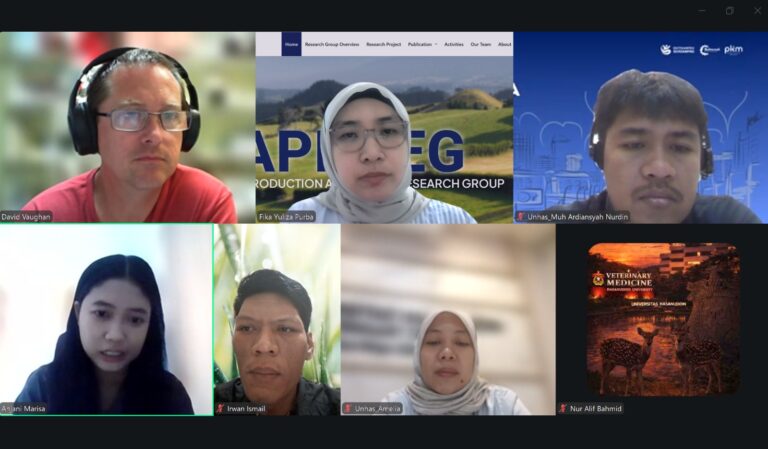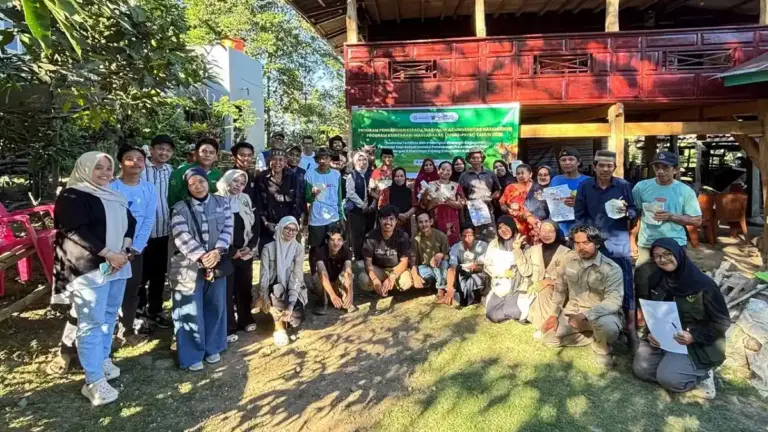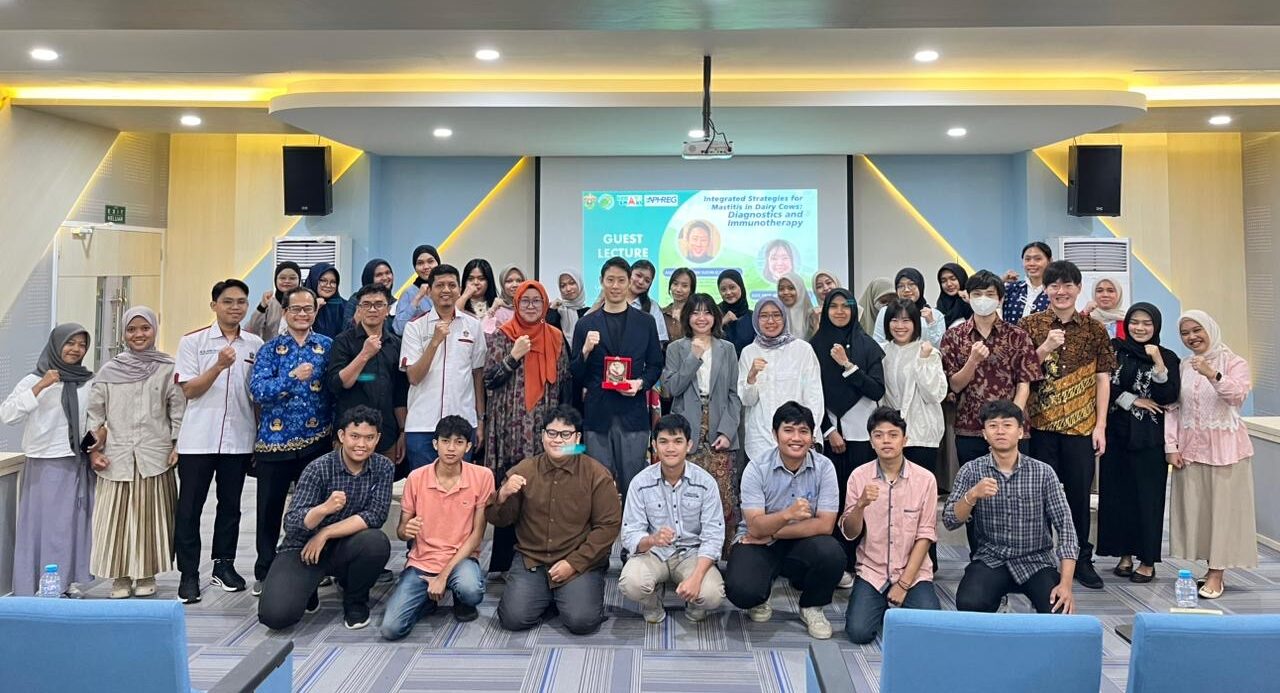

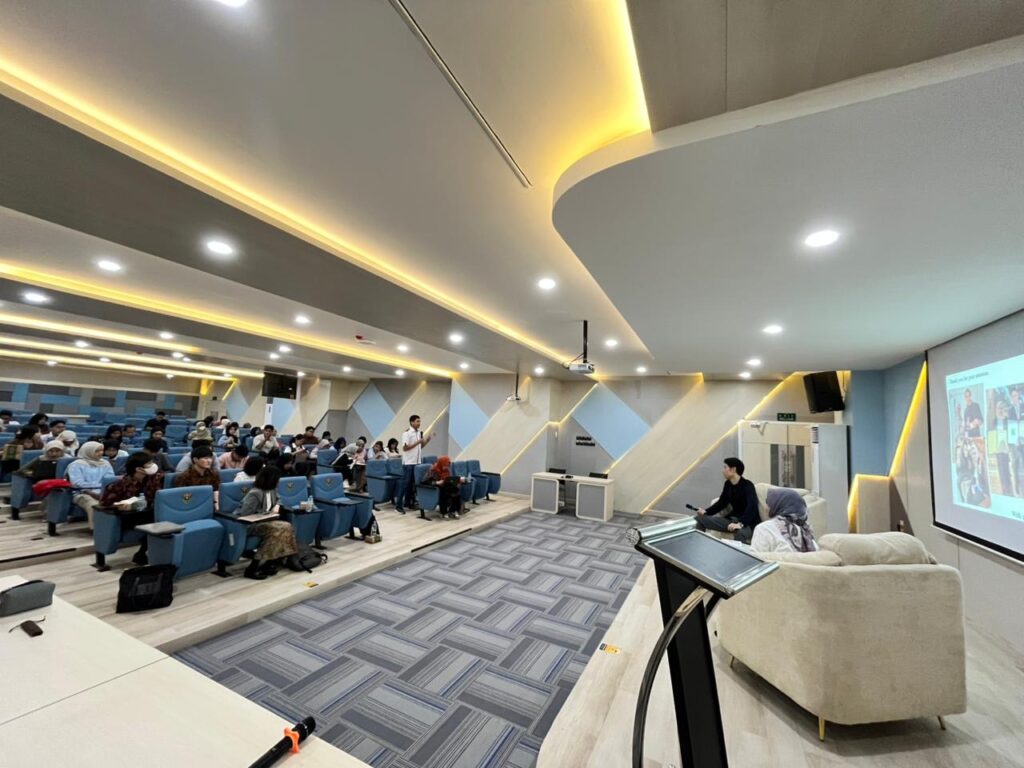
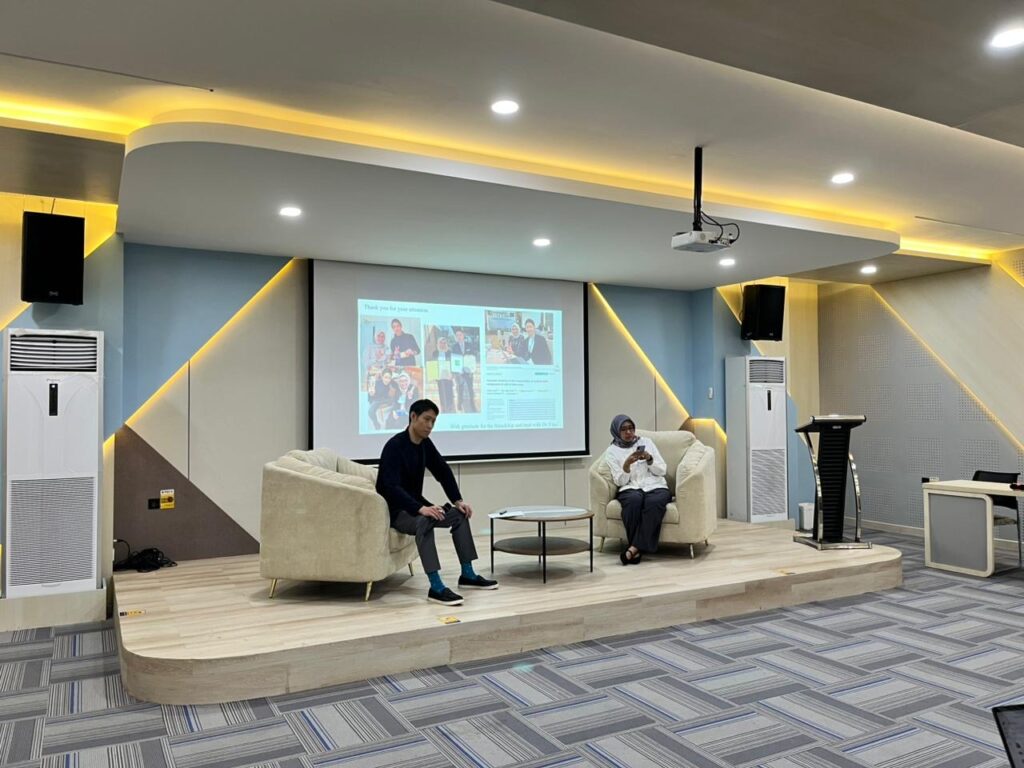
Makassar, November 10th 2025. the Veterinary Medicine Study Program, Faculty of Medicine, Universitas Hasanuddin, through the Animal Production and Health Research Group (APHREG), organized an International Guest Lecture entitled “Integrated Strategies for Mastitis in Dairy Cows: Diagnostics and Immunotherapy.” Held at the Prof. Misbahuddin Adnan Hall and Integrated Laboratory, Faculty of Medicine, Universitas Hasanuddin, Makassar, Indonesia, the activity brought together academics, lecturers, and Veterinary Medicine Professional (Co-assistant/Koas) Students of Universitas Hasanuddin to strengthen their understanding of current approaches to dairy cattle health.
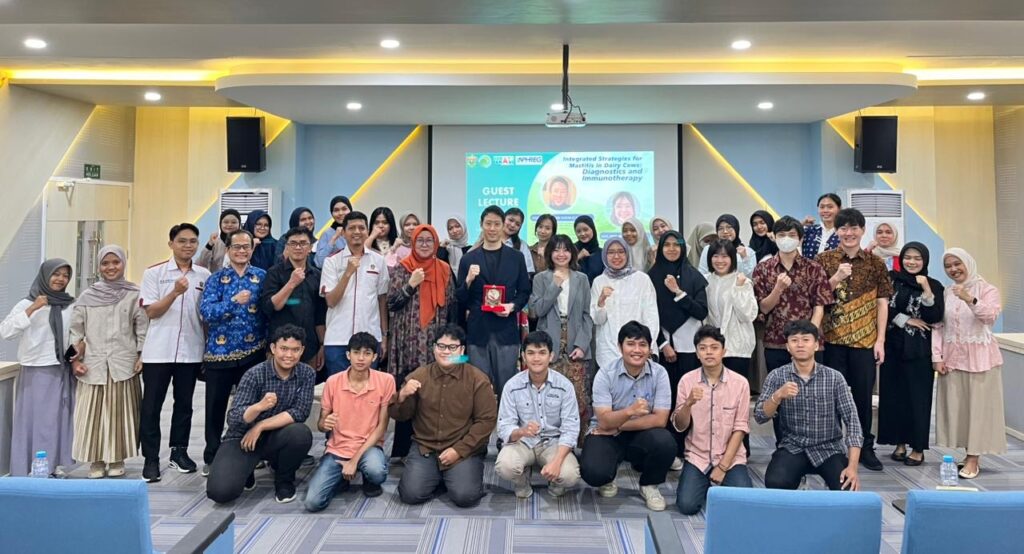
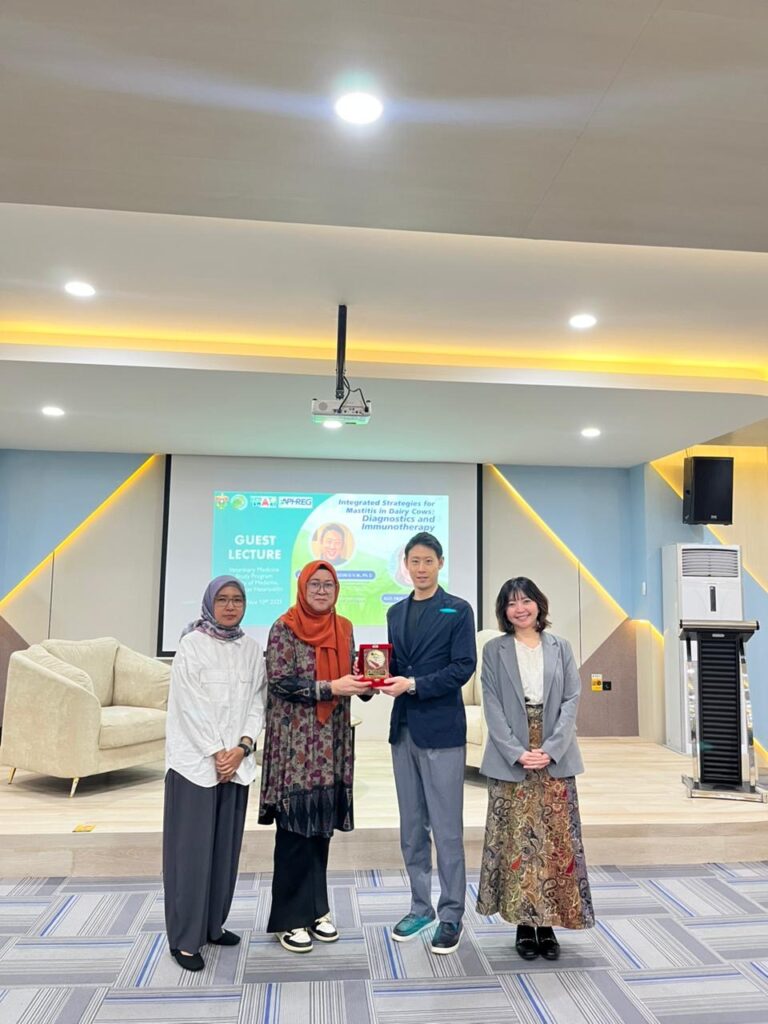
The program featured two international partners: Naoki Suzuki, D.V.M., Ph.D., Associate Professor, and Jirapat Jaisue, Ph.D., Assistant Professor, from the Graduate School of Integrated Sciences for Life, Hiroshima University, Japan. Their involvement provided participants with valuable international perspectives on disease diagnosis, prevention, and management while strengthening academic cooperation between Universitas Hasanuddin and Hiroshima University.
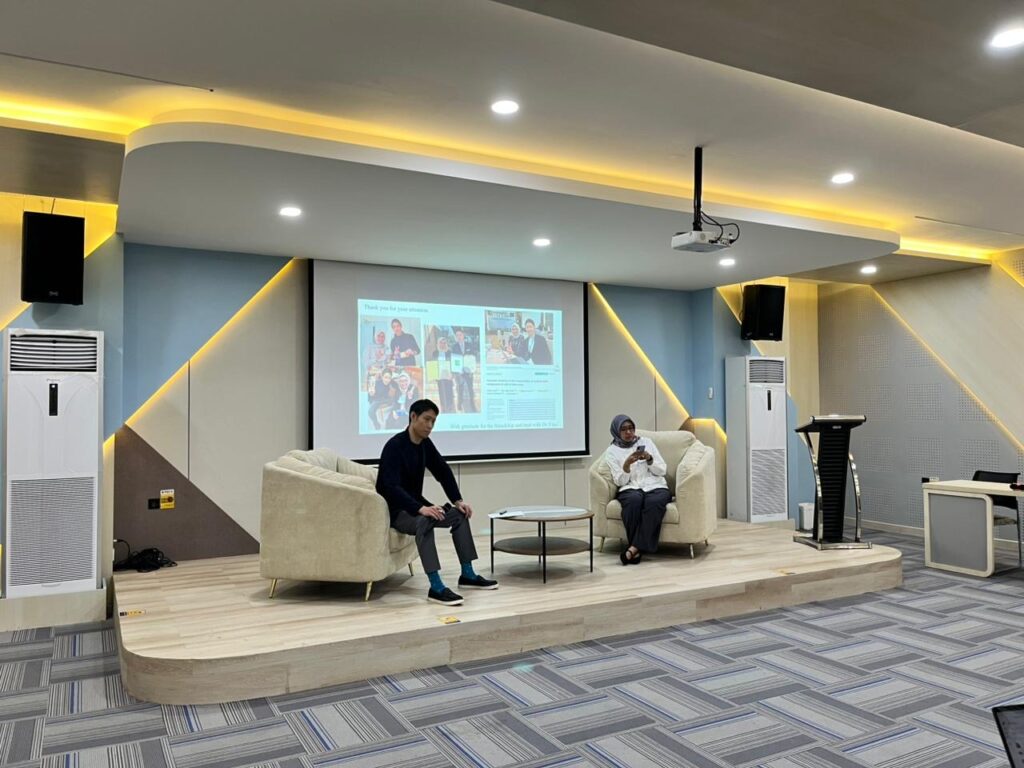
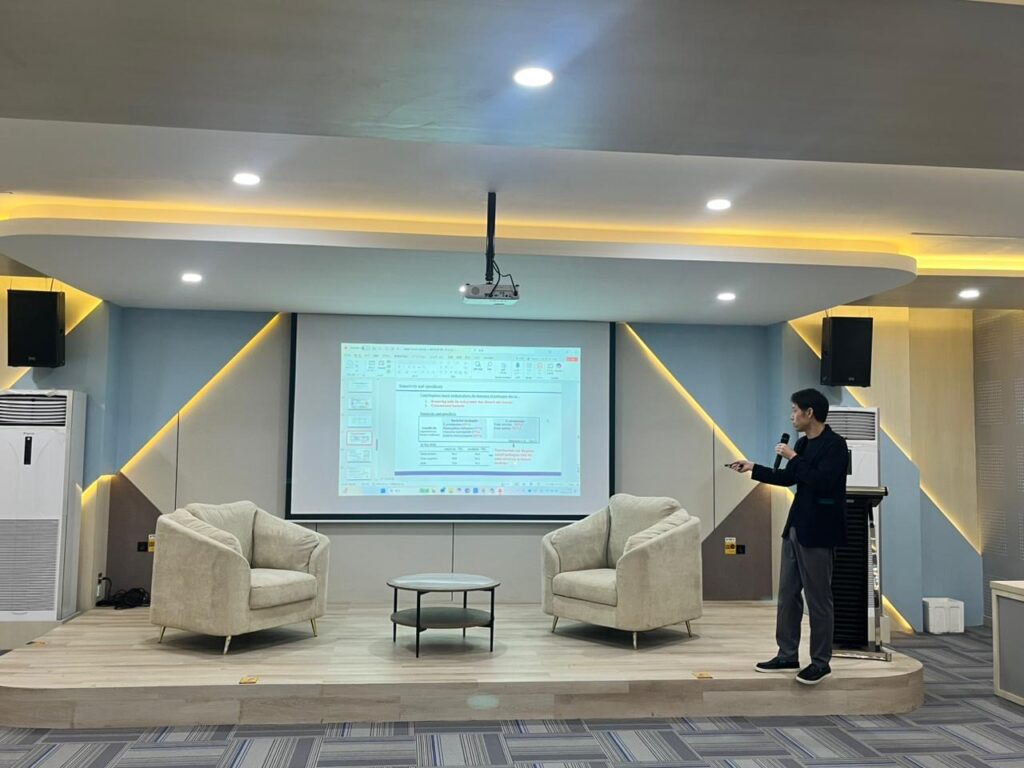
During the first session, Associate Professor Suzuki discussed rapid and accurate identification of pathogens responsible for mastitis in dairy cattle. Identifying the causative pathogen is essential for choosing appropriate treatment, improving disease control, and supporting responsible antimicrobial use. The session demonstrated how advances in veterinary diagnostics can help practitioners make more informed clinical decisions.
Assistant Professor Jaisue continued the program by discussing the relationship between endometritis and mastitis using a goat research model. The presentation demonstrated that reproductive and udder health should not always be considered separately, encouraging participants to view livestock health through a more integrated scientific perspective.
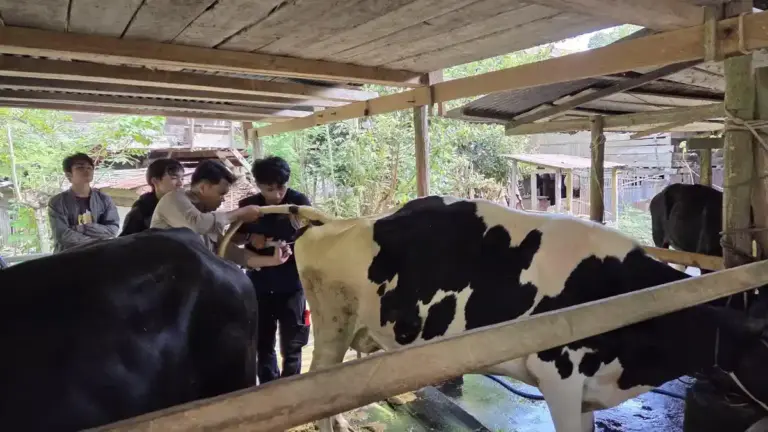
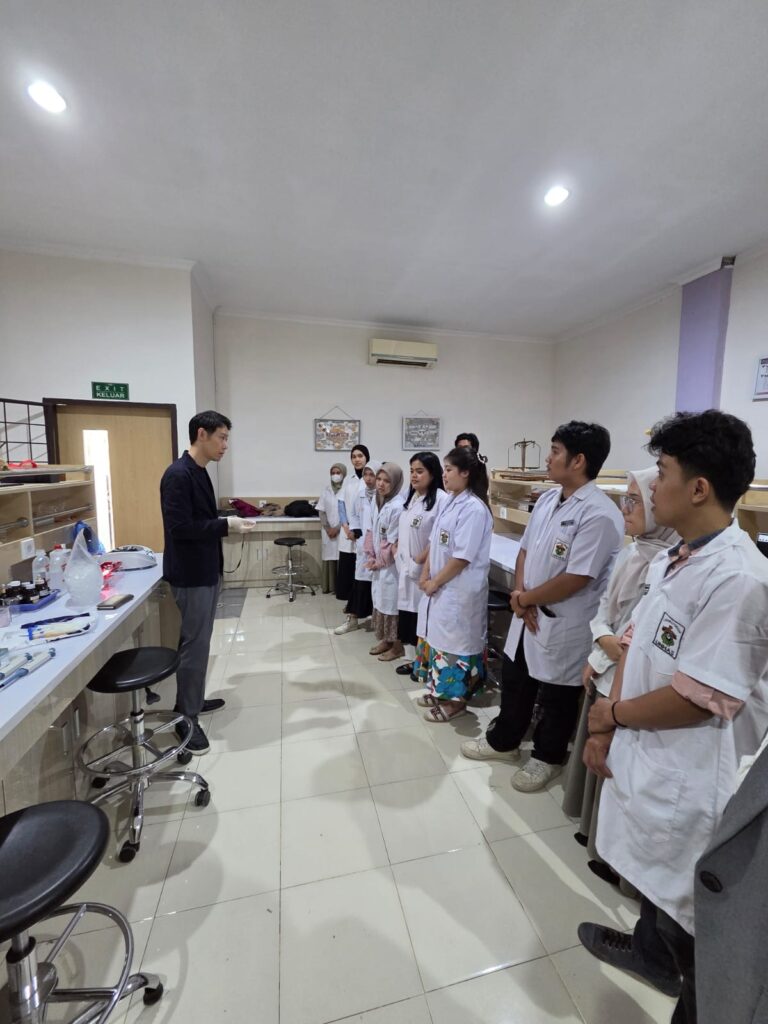
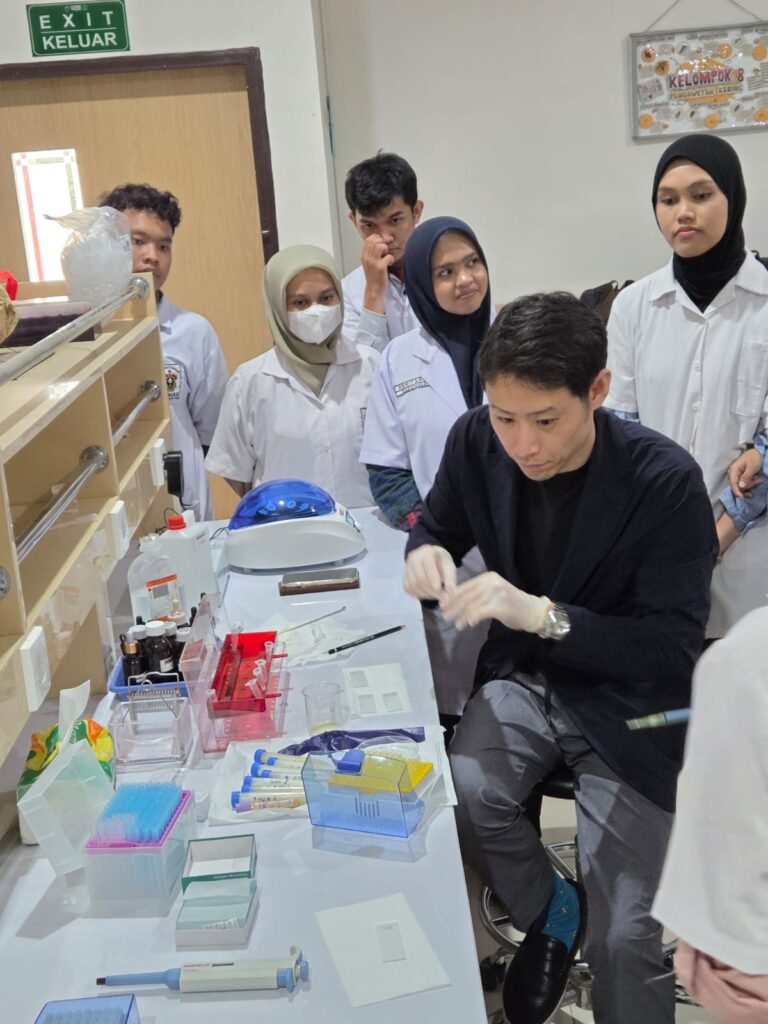
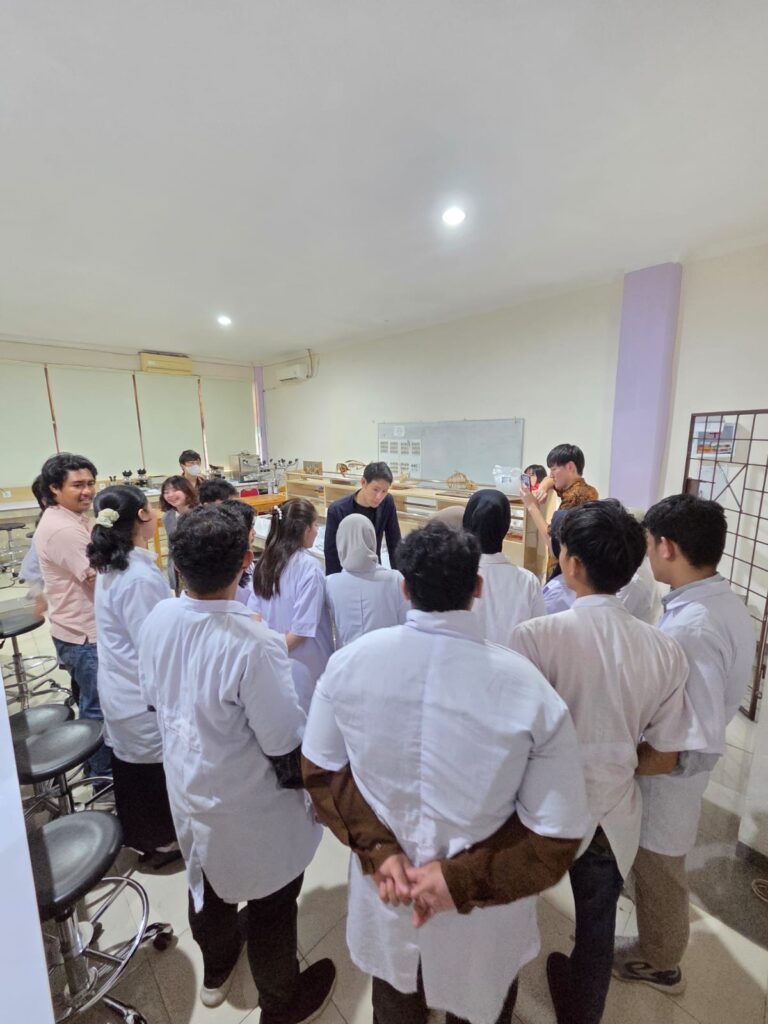
The learning process continued through a hands-on session at the Integrated Laboratory. Participants observed and discussed diagnostic approaches for identifying mastitis-causing pathogens, connecting knowledge from the lectures with practical veterinary applications. This combination of international lectures and laboratory experience strengthened both scientific understanding and professional competencies.
The activity contributes directly to Sustainable Development Goal 4 (SDG 4): Quality Education by expanding access to international expertise and practice-based veterinary education. It also supports Sustainable Development Goal 1 (SDG 1): No Poverty, as better mastitis prevention and management can help reduce losses from declining milk production, treatment expenses, and premature culling, thereby supporting the economic sustainability of dairy farmers.
Equally important, the collaboration between Universitas Hasanuddin and Hiroshima University represents Sustainable Development Goal 17 (SDG 17): Partnerships for the Goals. International partnerships enable universities to exchange knowledge, develop professional networks, and create opportunities for future research and innovation.
Through this activity, veterinary education extends beyond the classroom. By combining international expertise, scientific discussion, and practical learning, Universitas Hasanuddin continues to prepare future veterinarians to address real-world animal health challenges while contributing to more productive and sustainable livestock systems.