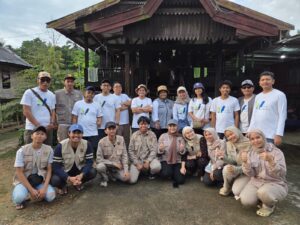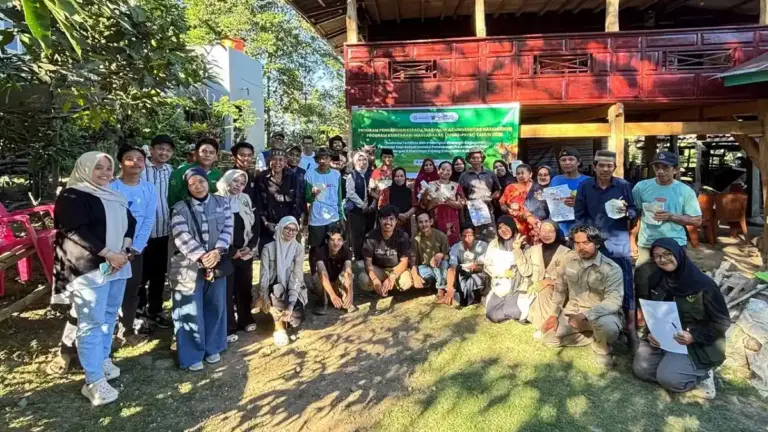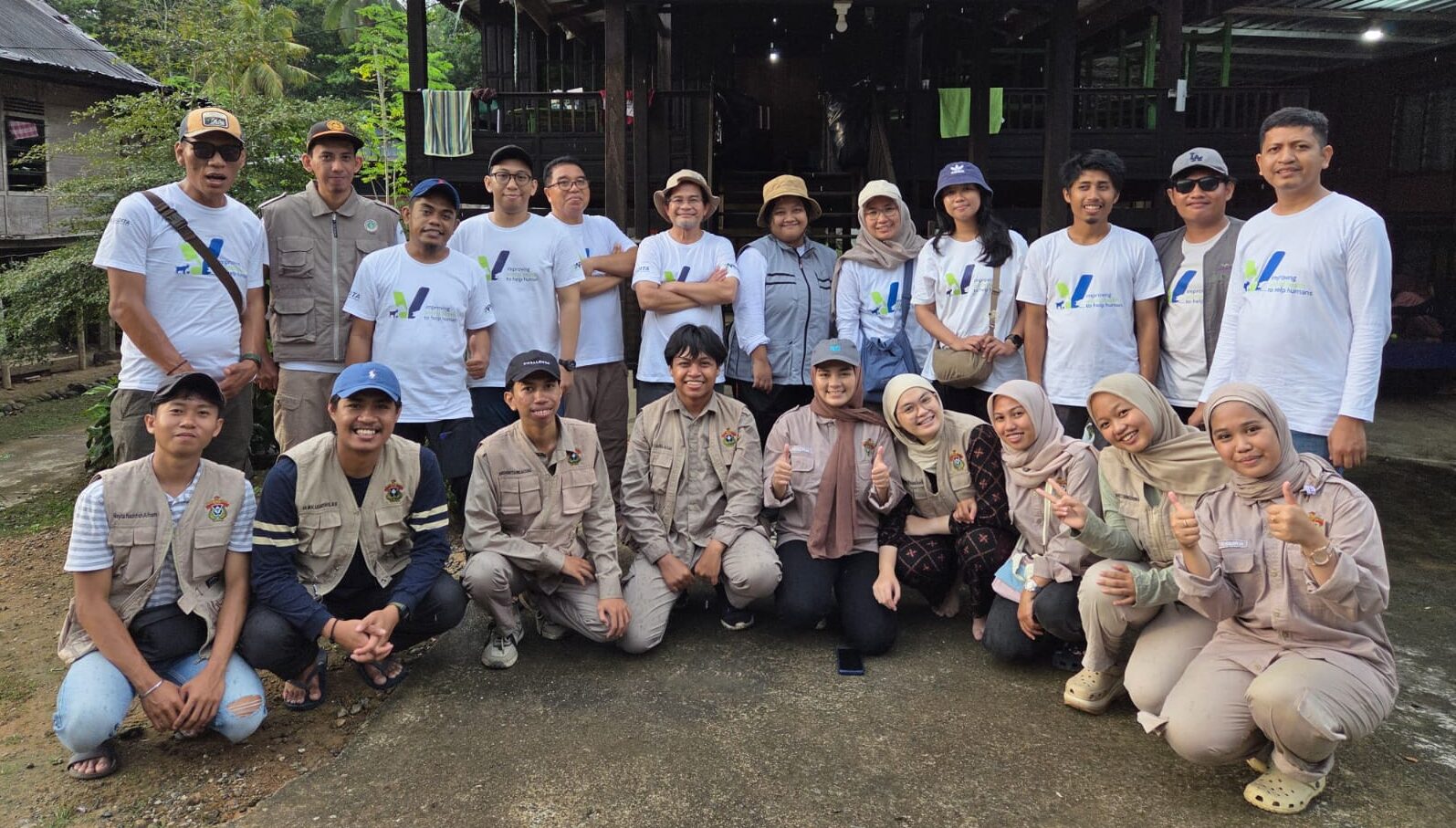

Enrekang, July 5, 2025 – Strengthening animal health, food safety, and the livelihoods of farming communities, the Animal Production and Health Research Group (APHREG) of the Veterinary Medicine Study Program, Faculty of Medicine, Universitas Hasanuddin (Unhas), successfully conducted an intensive field research program in Cendana District, Enrekang Regency, South Sulawesi, from July 2 to 5, 2025. The research was carried out under the theme “Optimising Livestock-Based Food Production and Safety through Disease Control Management and a One Health Approach.”
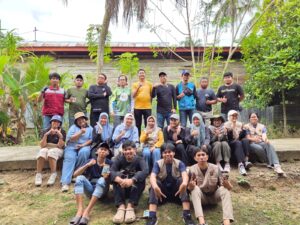
Led by Dr. Fika Yuliza Purba, DVM, M.Sc., the four-day research brought together 12 lecturers from different scientific fields, 11 undergraduate students, and seven professional staff members from the Enrekang Regency Livestock and Animal Health Office. This multidisciplinary composition reflected the importance of cooperation between academia, students, and government institutions in addressing complex livestock health challenges.
A major focus of the research was bovine tuberculosis (bTB), a zoonotic disease that can affect both animal and human health while potentially causing economic losses for livestock farmers. Through the One Health approach, the research recognized that animal, human, and environmental health are closely interconnected. Therefore, disease prevention requires not only veterinary interventions but also community participation, environmental awareness, and cross-sectoral collaboration.
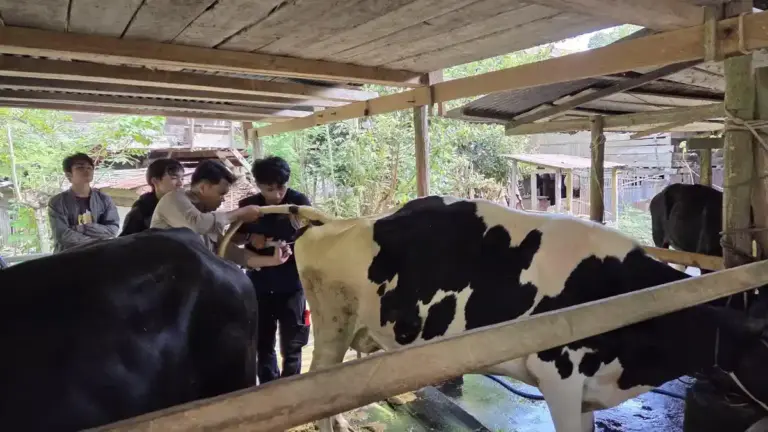
During the field study, the research team examined 93 cattle belonging to 30 local farmers in Cendana District. Biological samples, including milk, blood, vaginal swabs, feces, and ectoparasite samples, were collected for further investigation. The team also recorded physiological parameters such as body temperature, heart rate, and respiratory rate to obtain a comprehensive picture of livestock health.
The research extended beyond clinical and laboratory investigations. Interviews with farmers were conducted to understand veterinary-economic factors and explore how livestock diseases may influence household livelihoods and farming sustainability. This socio-economic perspective is essential because maintaining healthy and productive livestock can help farmers reduce disease-related losses and strengthen their economic resilience.
Community education was another important component of the program. Farmers received information about the zoonotic potential of bTB, biosecurity, stable hygiene, early disease recognition, and preventive measures. The program also emphasized the importance of producing safer and higher-quality milk for consumers. By improving knowledge and practical awareness, the initiative sought to empower communities to participate actively in disease prevention.
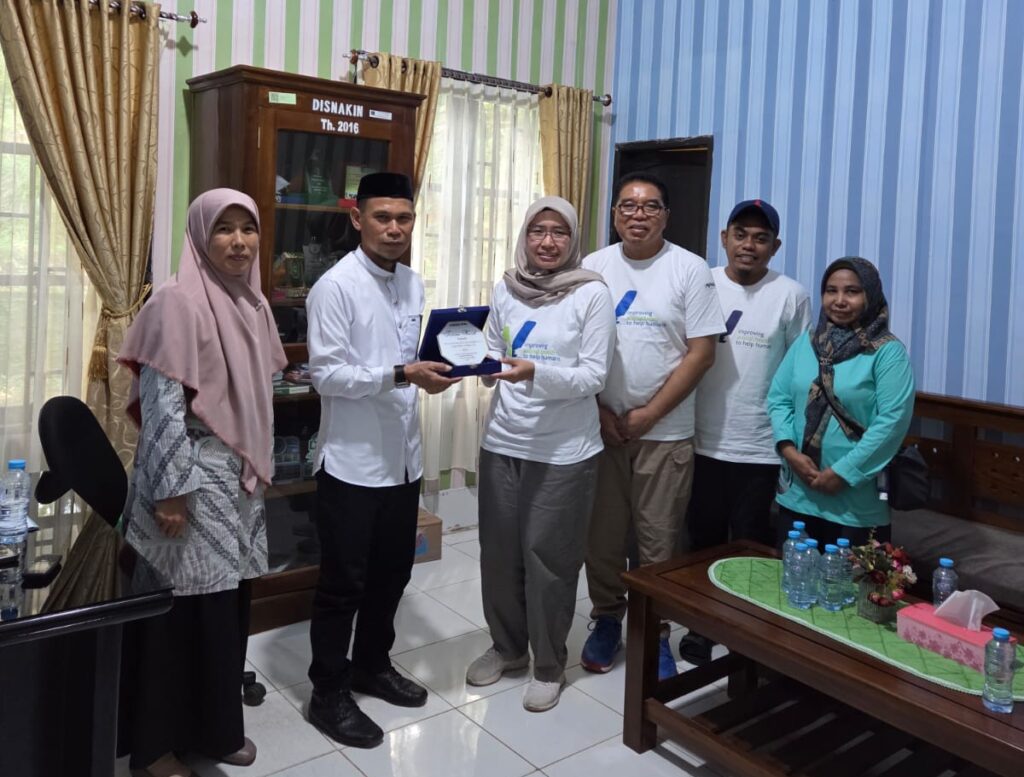
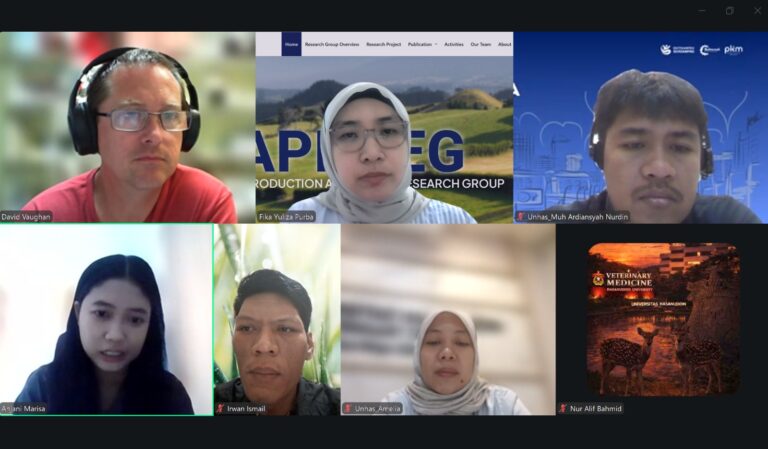
This research contributed to several Sustainable Development Goals (SDGs). It directly supported SDG 3: Good Health and Well-being by addressing a zoonotic disease and promoting safer livestock products. It also contributed to SDG 1: No Poverty by supporting healthier and more productive livestock systems that can reduce disease-related economic losses among farming families. Through farmer education and student participation in field-based learning, the activity advanced SDG 4: Quality Education. Furthermore, the collaboration between Universitas Hasanuddin and the Enrekang Regency Livestock and Animal Health Office demonstrated SDG 17: Partnerships for the Goals, highlighting the importance of cross-sectoral cooperation in implementing the One Health approach.
Ultimately, the findings are expected to provide a scientific foundation for improved disease surveillance, more accurate diagnostic strategies, and sustainable livestock health management. Through the integration of research, education, community engagement, and institutional partnership, this initiative demonstrates how veterinary science can contribute to healthier animals, safer food, stronger farming communities, and sustainable development.