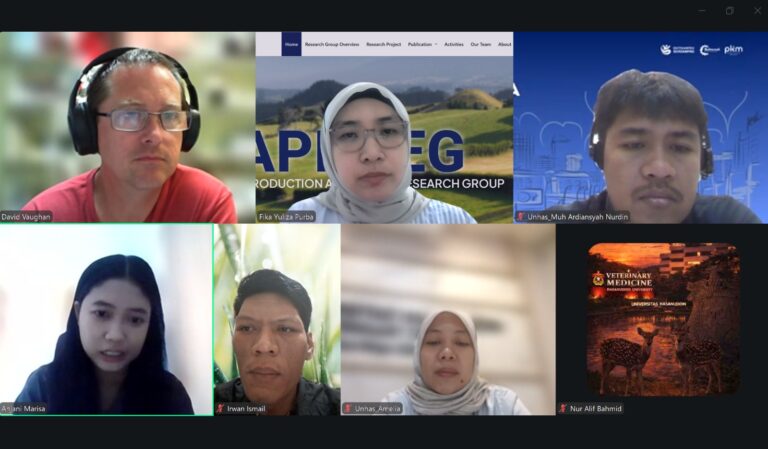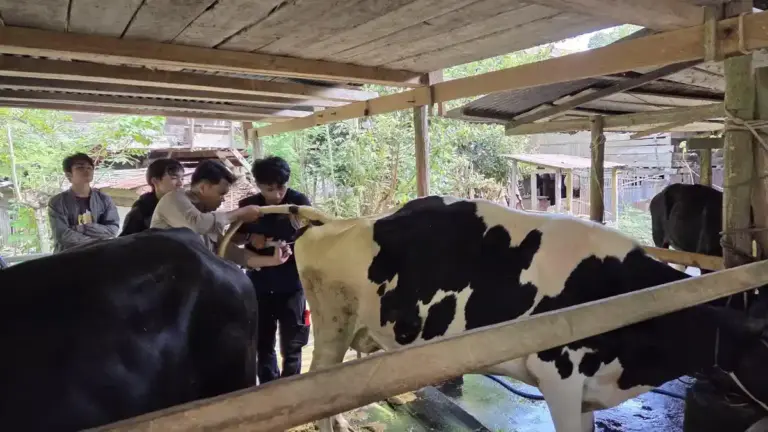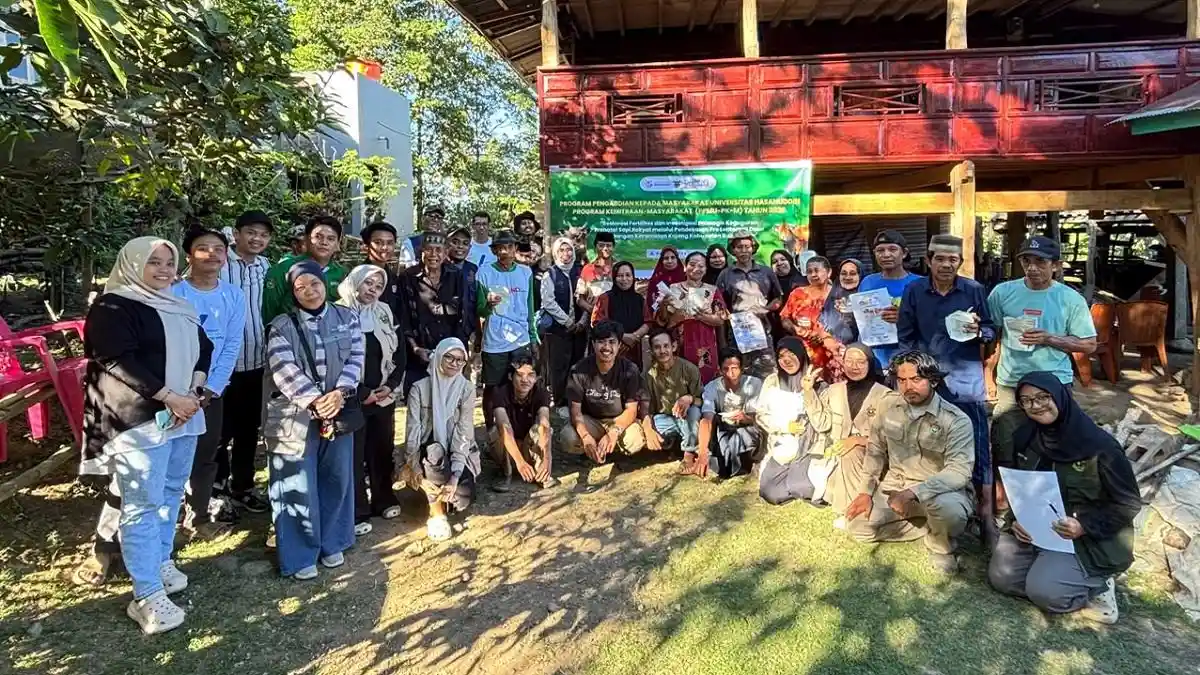

Bulukumba, August 9th 2026 – A community service team from the Veterinary Medicine Study Program, Faculty of Medicine, Hasanuddin University (FK UNHAS), provided livestock reproductive health services and educational outreach to cattle farmers in Tambangan Village, Kajang District, Bulukumba Regency, South Sulawesi.
The team was led by Dr. drh. Fika Yuliza Purba, M.Sc., a specialist in Veterinary Reproduction. The team members included drh. Muhammad Ardiansyah Nurdin, M.Si. (Veterinary Physiology), drh. Nur Alif Bahmid, M.Si. (Veterinary Reproductive Technology), drh. Irwan Ismail, M.Si. (Veterinary Parasitology), drh. Muhammad Muflih Nur, M.Si. (Veterinary Reproduction), drh. Kadek Dian Krisna Putri K., M.Sc. (Veterinary Reproductive Endocrinology), and drh. Adyatma Muhammad Nur, M.Si. (Animal Nutrition).
The activity was part of the Hasanuddin University Community Service Program under the Community Partnership Program (PPMU-PK-M) scheme for 2026.
Entitled “Fertility Restoration and Pathological Investigation of Prenatal Abortion in Smallholder Cattle through the Pro Lentera Approach,” the program targeted the Mali-Mali Cattle Farmers’ Group, which consists of approximately 25 small-scale cattle farmers.
The program was initiated in response to the low reproductive performance of smallholder cattle in the area. One of the major problems identified was the high incidence of repeat breeding and abortion at approximately five months of gestation.
These conditions were suspected to be associated with infectious diseases, including brucellosis and Foot-and-Mouth Disease (FMD).
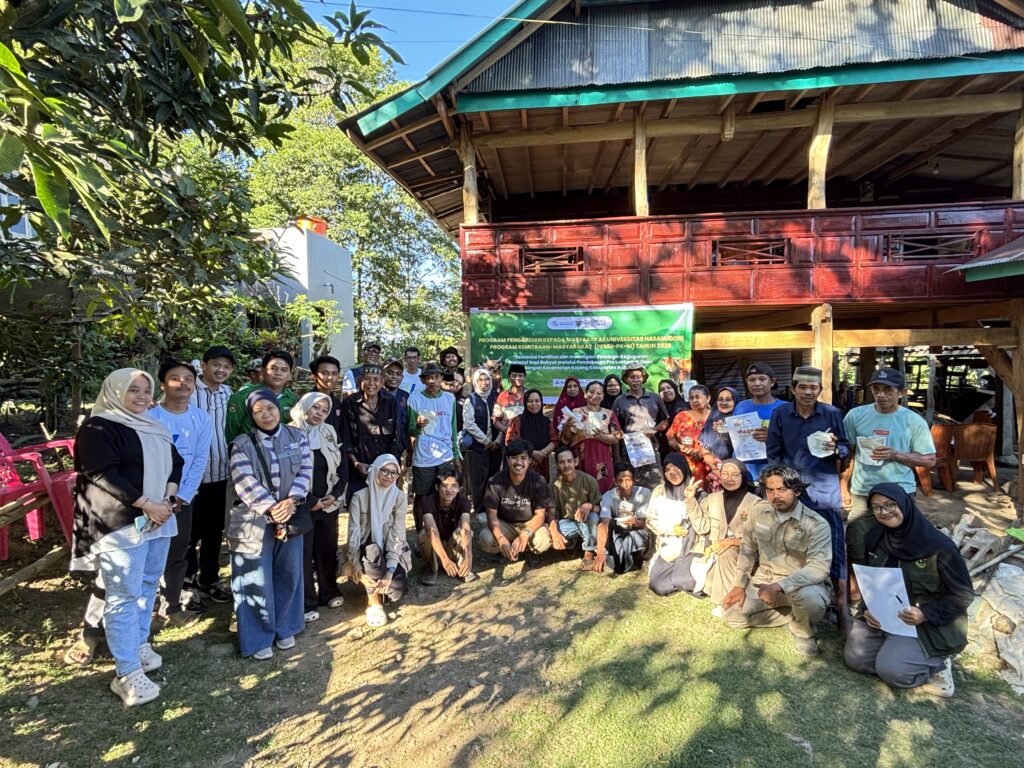
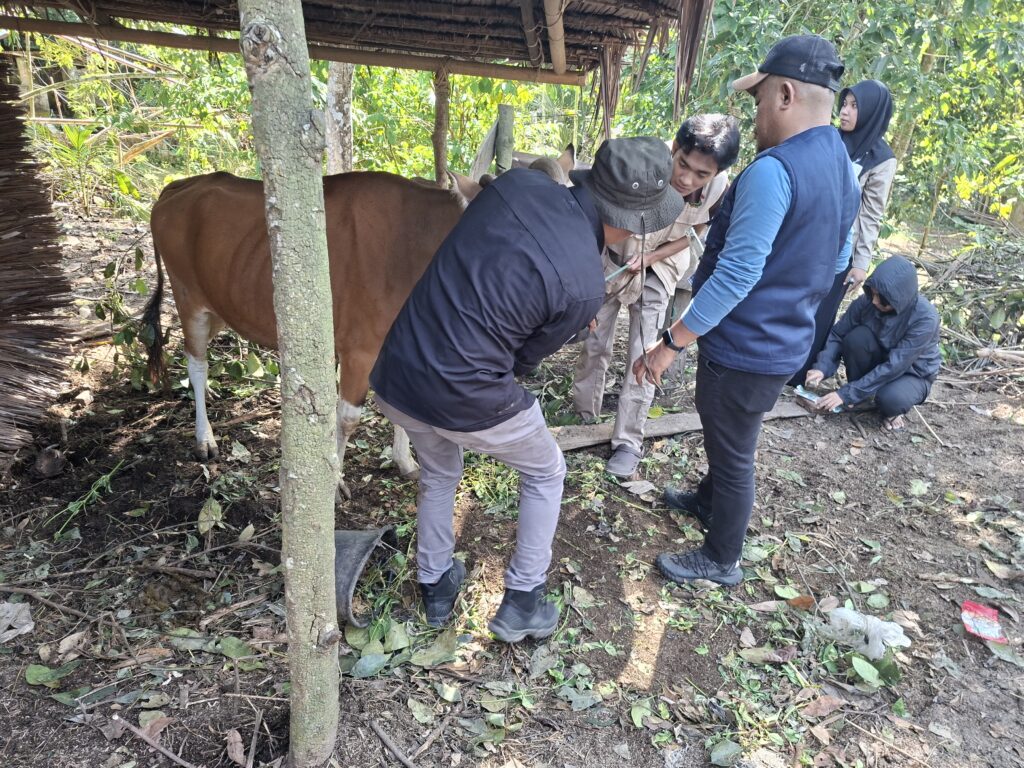
The program began with a survey and data collection on farmers and livestock populations on 17 July 2026. The survey was conducted to map the initial conditions of the target farmers and cattle, including herd ownership, reproductive history, and various animal health problems encountered by farmers.
Series of Activities
The data collected served as the basis for the team to determine appropriate interventions and develop subsequent field mentoring activities.
From 7–9 August 2026, the team conducted livestock health services and educational outreach for members of the Mali-Mali Cattle Farmers’ Group.
A total of 58 cattle owned by local farmers received health examinations and treatment. The services included vitamin supplementation, deworming, and ultrasonography (USG) examinations to assess the reproductive status and pregnancy status of the animals.
In addition to health services, the team provided educational sessions covering two main topics: livestock reproductive management and animal health.
The reproductive management session was delivered by Drh. Kadek Dian Krisna Putri K., M.Sc., while the animal health session was delivered by Drh. Muhammad Muflih Nur, M.Si.
The educational activities aimed to improve farmers’ knowledge, attitudes, and practices in managing livestock reproductive health independently and effectively.
Implementation of the Tri Dharma of Higher Education
Fika Yuliza Purba explained that the activity represents an implementation of the Tri Dharma of Higher Education, particularly the university’s commitment to community service.
According to Fika, the program represents a tangible contribution by Hasanuddin University to the advancement of smallholder livestock production, particularly in South Sulawesi.
“In general, we hope that the Pro Lentera approach can serve as a sustainable, diagnosis-based livestock health service model for smallholder farmers, thereby improving livestock reproductive performance and contributing to the welfare of farmers in Tambangan Village,” said Fika.
She explained that Pro Lentera, or the Community Livestock Health Service Program, was initiated by the Animal Production and Health Research Group (APHREG), Hasanuddin University.
The program has provided health services to hundreds of smallholder livestock animals and supported farmer development in several regencies across South Sulawesi.
The areas that have received assistance include Gowa, Takalar, Jeneponto, Maros, Pangkep, and Enrekang.
“More specifically, through the health services and educational activities conducted from 7–9 August, we hope that farmers will gain a better understanding of the importance of early detection of reproductive disorders, such as repeat breeding, and begin implementing preventive measures against diseases that are suspected to contribute to abortion in their cattle,” she said.
Fika added that the data collected from the 58 cattle examined will serve as the basis for further investigation into abortion cases and continued farmer mentoring in the next stage of the program.
The community service program was also supported by its corporate partner, Farmer Support PT Dahliah Duta Utama, which contributed mineral supplements for the cattle.
Following the health services and educational sessions, the team will continue the program by implementing a simple reproductive record-keeping system using individual livestock record cards.
Regular mentoring and monitoring will also be conducted until the program concludes at the end of 2026.