




Description
Makassar, Indonesia. 16 April 2026/AMRG/--Rice is more than just a staple food—it is a lifeline for millions of people, particularly in countries like Indonesia where it contributes significantly to daily caloric intake. However, behind the lush green appearance of rice fields lies a hidden threat that can drastically reduce production: bacterial grain rot. A recent scientific study titled “Morpho-physiological characterization of bacterial grain rot in rice seed from Gowa Regency, South Sulawesi”, published in the IOP Conference Series: Earth and Environmental Sciences by IOP Publishing on 15 April 2023, sheds light on this critical issue and its broader implications for agriculture and sustainability.
Description
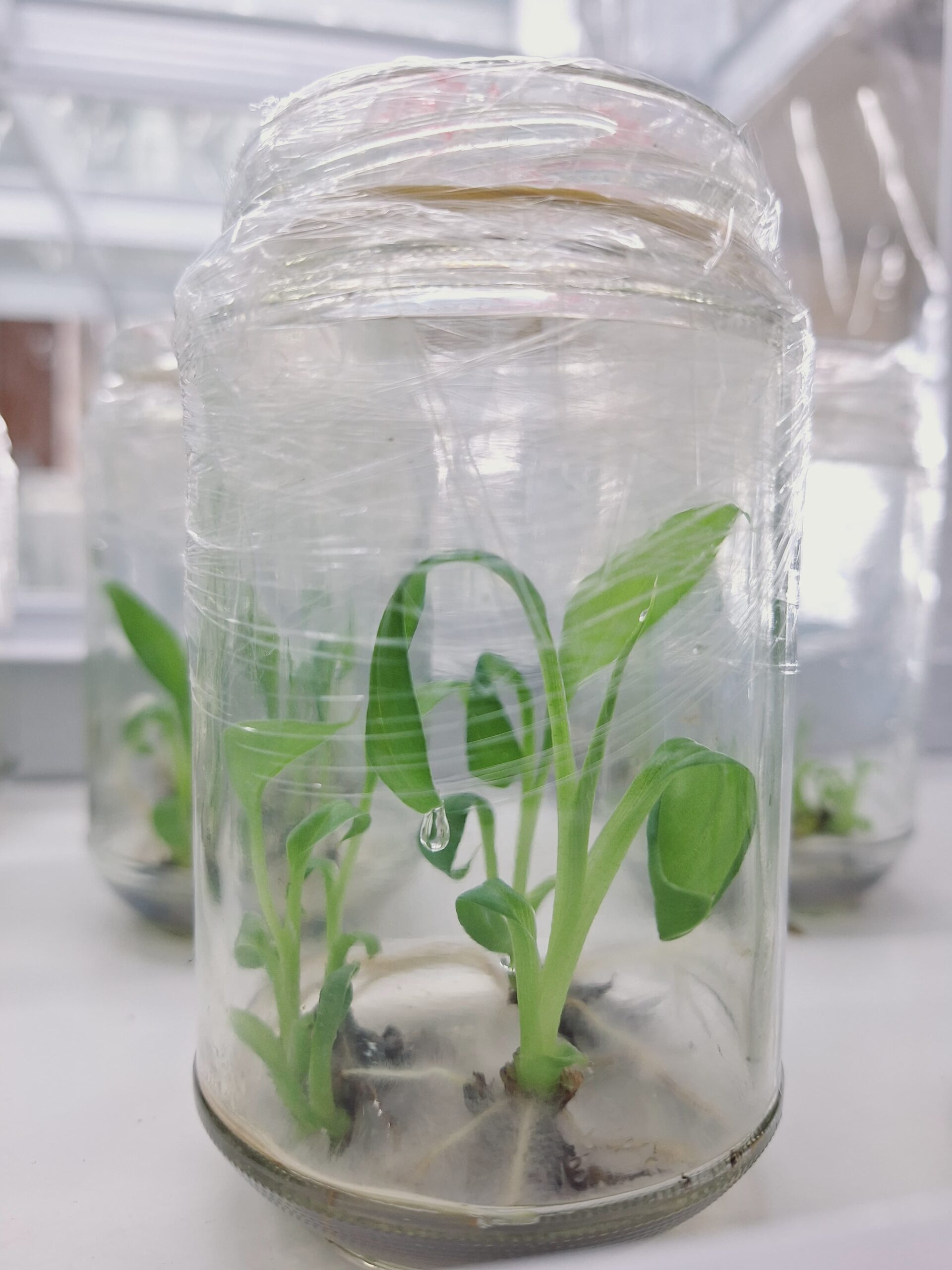
The mass-production program for Cavendish banana planting material now employs biotechnology—specifically tissue culture or in vitro micropropagation—to generate disease-free seedlings in large quantities with high uniformity.
Description
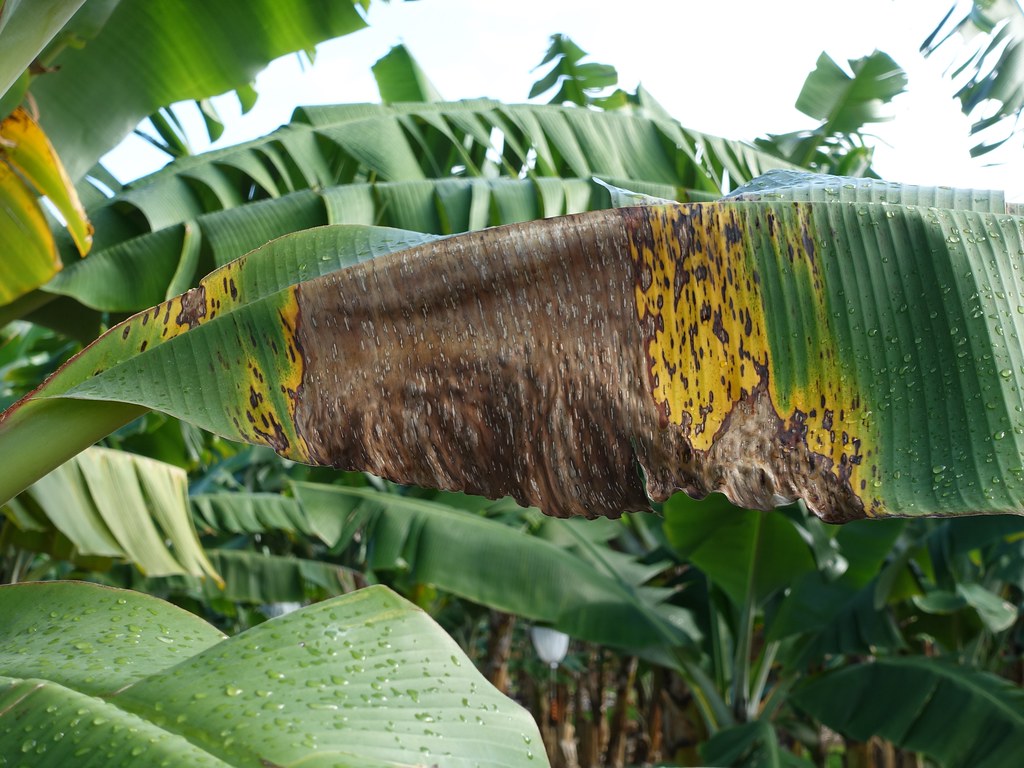
Black Sigatoka disease, also known as black leaf streak, is caused by the fungus Mycosphaerella fijiensis and is the most destructive foliar disease of bananas—especially the Cavendish variety. In tropical environments characterized by warm temperatures and high humidity, the infection spreads rapidly via airborne and splashed spores, causing elongated dark streaks on the leaves that can reduce yields by approximately 50% if not properly controlled.