Makassar, Indonesia. 16 April 2026/AMRG/–Rice is more than just a staple food—it is a lifeline for millions of people, particularly in countries like Indonesia where it contributes significantly to daily caloric intake. However, behind the lush green appearance of rice fields lies a hidden threat that can drastically reduce production: bacterial grain rot. A recent scientific study titled “Morpho-physiological characterization of bacterial grain rot in rice seed from Gowa Regency, South Sulawesi”, published in the IOP Conference Series: Earth and Environmental Sciences by IOP Publishing on 15 April 2023, sheds light on this critical issue and its broader implications for agriculture and sustainability.
The study focuses on a bacterium called Burkholderia glumae, a seed-borne pathogen known to cause grain rot in rice. This disease is particularly dangerous because it attacks rice during its reproductive stage, leading to empty grains and reduced yield. According to the findings presented in the article, yield losses can reach up to 40%, and in severe cases, even up to 80%. Such significant losses not only affect farmers’ income but also threaten regional food availability.
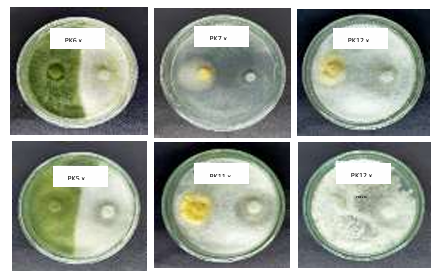
What makes bacterial grain rot especially challenging is its ability to mimic other stress-related symptoms, such as drought or heat damage. This often leads to misdiagnosis in the field, delaying appropriate management strategies. The research conducted in Gowa Regency involved collecting rice seed samples from ten districts and analyzing them through morphological and physiological tests. The results confirmed that the bacterial isolates shared key characteristics of B. glumae, including specific colony shapes, colors, and biochemical responses such as positive catalase activity and toxoflavin production, a toxin linked to disease severity (as shown in laboratory observations on pages 4–6 of the document).
Beyond laboratory findings, this research highlights an urgent need for improved disease detection and management. Early identification of pathogens is crucial to prevent widespread outbreaks. Farmers, extension workers, and researchers must work together to strengthen surveillance systems and adopt better seed health practices.
This issue is strongly connected to global development priorities, particularly SDG 1: No Poverty, SDG 4: Quality Education, and SDG 17: Partnerships for the Goals. Crop losses due to diseases like bacterial grain rot directly impact farmers’ livelihoods, making it harder to achieve SDG 1. At the same time, disseminating knowledge about plant diseases and their management contributes to SDG 4, as it enhances agricultural education and awareness. Furthermore, collaborative research efforts, such as the study conducted by scientists in South Sulawesi, reflect the importance of SDG 17, where partnerships between academic institutions, researchers, and local communities play a key role in addressing agricultural challenges.

In conclusion, bacterial grain rot may not always be visible at first glance, but its impact is profound. By understanding its characteristics and improving detection methods, we can better protect rice production systems. Scientific research, such as the study published by IOP Publishing, provides a foundation for informed action—ensuring that rice remains a reliable food source for future generations.
Reference: https://doi.org/10.1088/1755-1315/1230/1/012114
Contact Info
XXXX
08xxxx
xxxunhas.ac.id