Research Project

Screenshot 2026-11-19 122606
Spiky Reef Guardians: What Buru Island’s Sea Urchins Teach Us About Healthy Oceans
2025

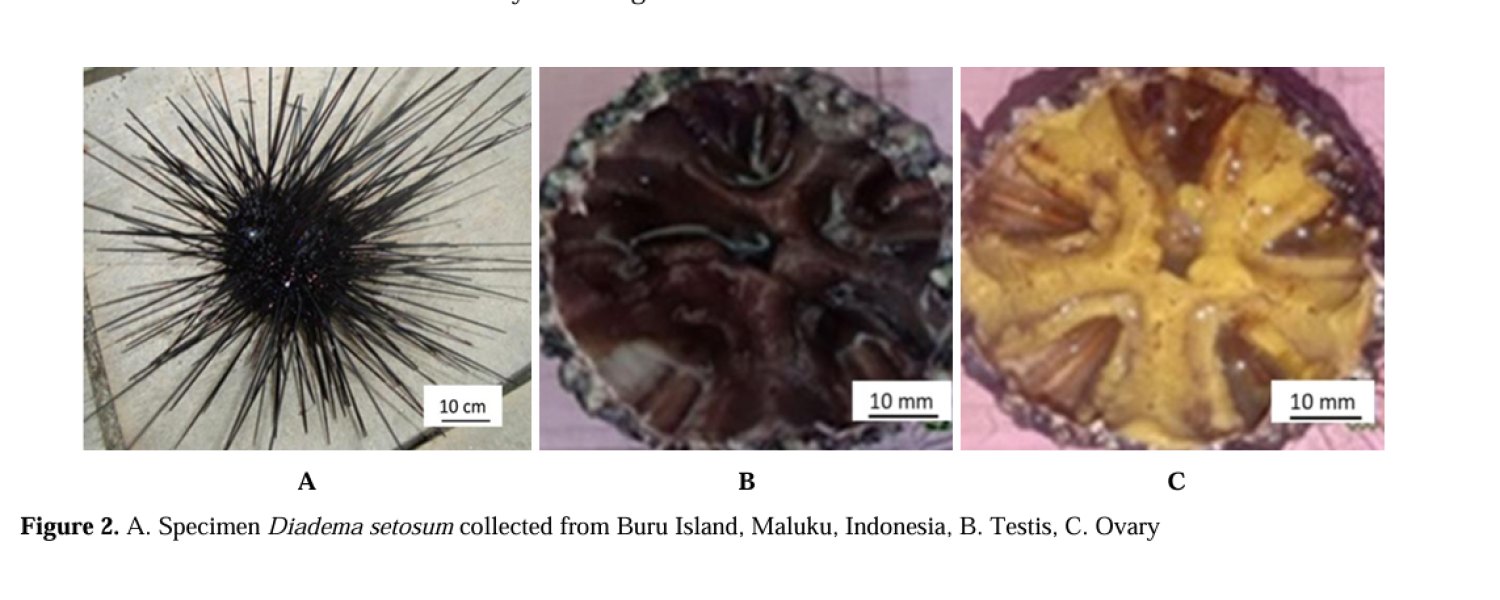
Makassar, Indonesia, 17 November 2026/albiorg – Beneath the turquoise waters of Indonesia’s Coral Triangle, long-spined black sea urchins (Diadema setosum) quietly shape life on tropical reefs. Recognized by their needle-like black spines, five white spots, and a bright orange ring around the top, these spiny grazers keep algae from smothering corals and recycle nutrients across shallow coastal habitats. Beyond their ecological role, their roe is prized in local and global seafood markets, making smart management essential before rising demand leads to overfishing.

Screenshot 2026-11-19 111915
Protecting Our Underwater Forests: How Science Is Fighting Seaweed Diseases
2026

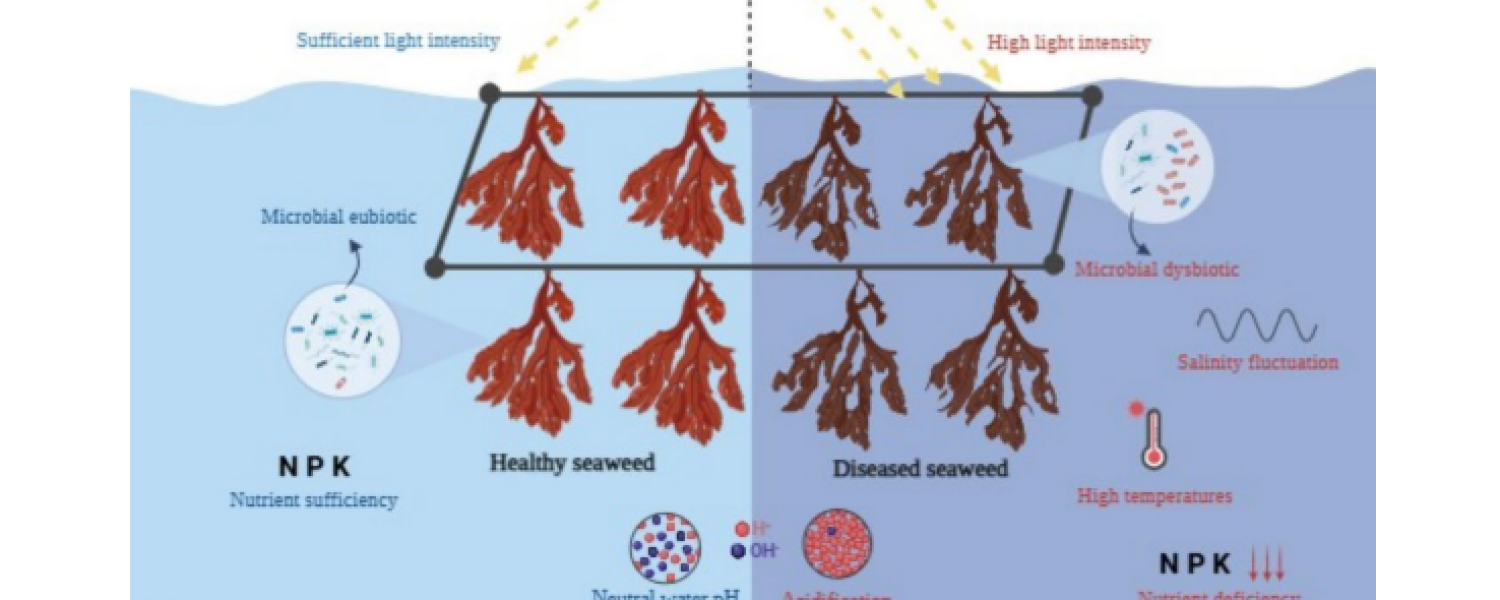
Makassar, Indonesia, 19 November 2026/albiorg/- From the sushi rolls on our dinner plates to the thickeners in our cosmetics and pharmaceuticals, seaweed has quietly become a global superstar. With the world’s seaweed market projected to reach USD 17.8 billion by 2032, coastal communities across Asia, Africa, and beyond rely heavily on ocean farming for their livelihoods. Yet, beneath the waves, a silent crisis is threatening this blue economy. Just like crops on land, farmed seaweeds are falling sick at alarming rates—putting harvests, coastal incomes, and ocean health at serious risk.

Screenshot 2026-11-02 145033
Harnessing Mangrove Power: Natural Solution Against Vibriosis in Crab Larvae
2019

Makassar, Indonesia, November 02 2026/albiorg/- The cultivation of mangrove crabs (Scylla serrata Forsskal) faces a major roadblock due to high mortality rates during the larval stage, primarily triggered by bacterial infections known as vibriosis. To safeguard aquaculture sustainability and food security, finding eco-friendly alternatives to synthetic drugs is crucial. This initiative directly supports Sustainable Development Goal 3 (Good Health and Well-being) and Goal 14 (Life Below Water) by promoting sustainable marine resource management and disease prevention.

WhatsApp Image 2025-11-03 at 11.21.14_02c9b620
Fighting Superbugs with Cyanobacteria: New Hope from Marine Microbes
2009

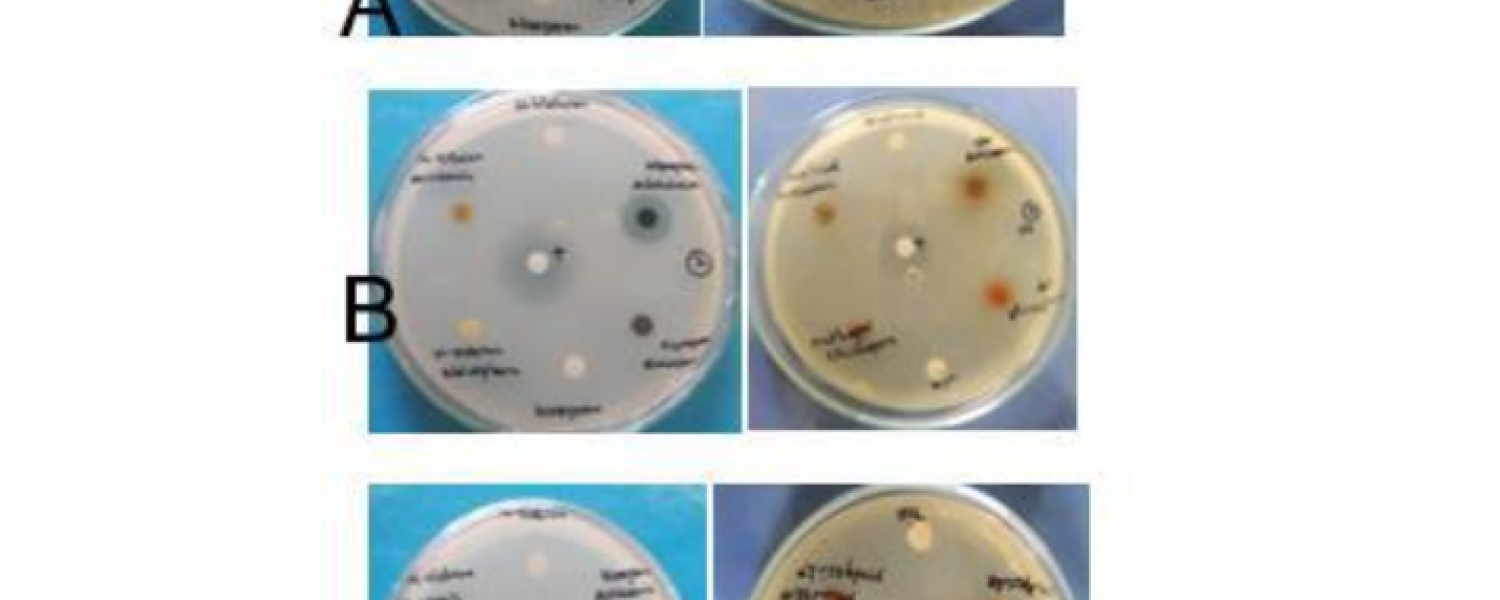
Makassar, Indonesia, 02 November 2026/albiorg/ - The rising threat of drug-resistant bacterial strains has created an urgent demand for novel antibiotics. To tackle this global challenge, researchers are increasingly turning to unique natural sources, aligning with Sustainable Development Goal 3 (Good Health and Well-being) and Goal 14 (Life Below Water) to harness marine biodiversity for advanced medical solutions.

Screenshot 2026-11-01 223906
Unlocking the Ice-Ice Mystery: Bacteria Threatening Seaweed Farms
2014

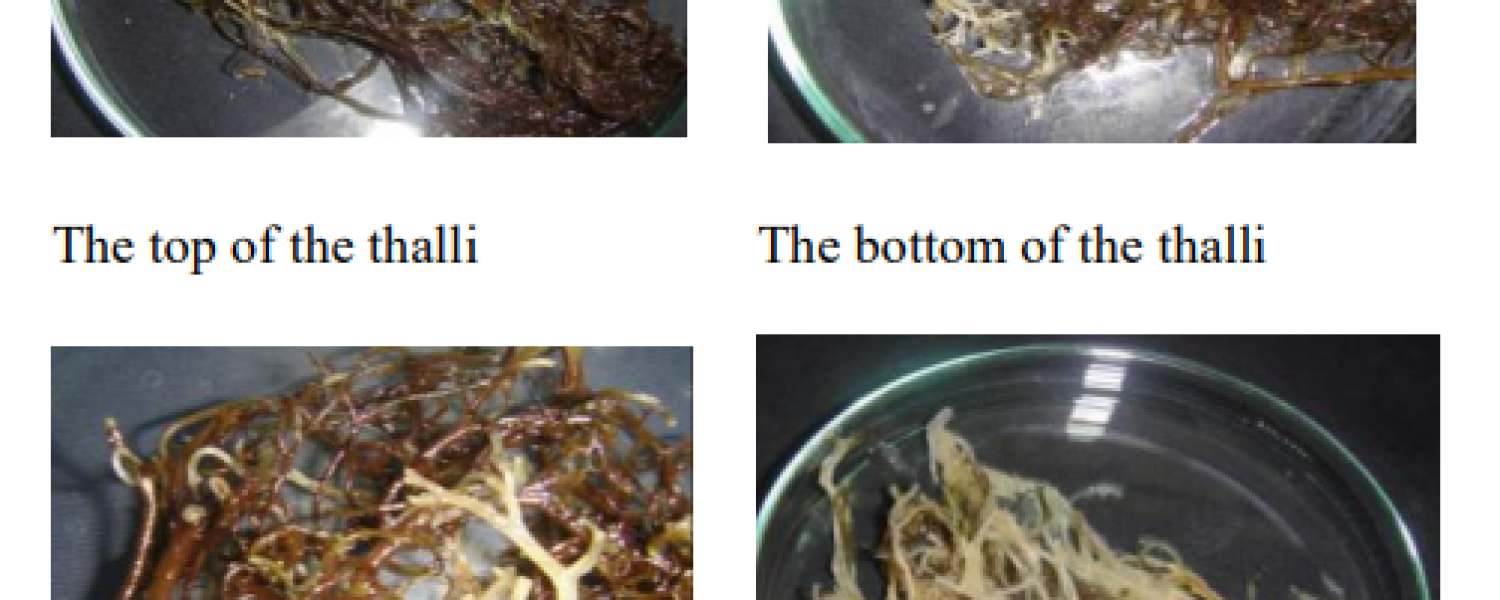
Makassar, Indonesia, November 01 2026/albiorg/-Seaweed farming has long been a vital economic driver for coastal communities, providing essential raw materials for the food, cosmetic, and pharmaceutical industries. Among the cultivated species, Gracilaria verrucosa plays a significant role in brackish-water ponds across Indonesia, helping boost oxygen production, absorb nutrients, and improve overall water quality. However, the expansion and productivity of seaweed cultivation face a major biological obstacle: the notorious "ice-ice" disease.

Screenshot 2026-11-01 214146
Sky-High Farming: How Drones Are Revolutionizing Seaweed Aquaculture in Indonesia
2023

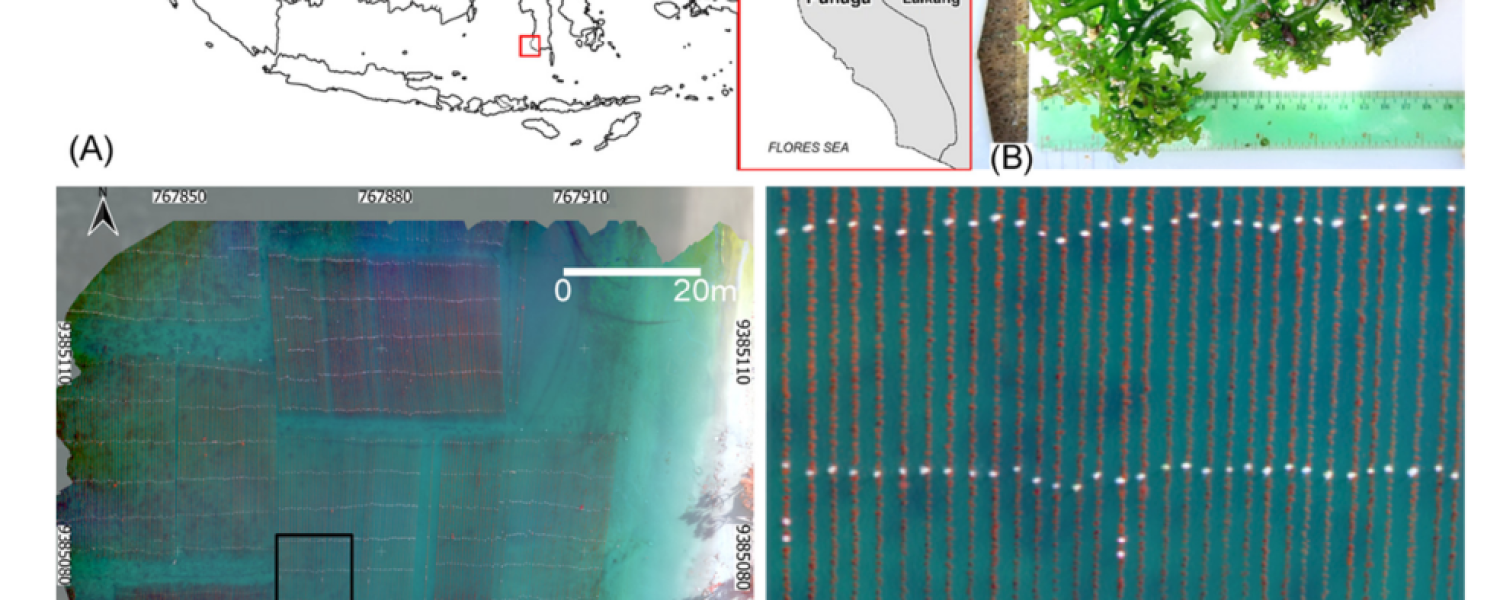
Makassar, Indonesia, 1 November 2026/albiorg/- Indonesia stands proudly as the world's second-largest seaweed producer and the leading global cultivator of red seaweed, particularly species like Kappaphycus alvarezii (Kappaphycus). Traditionally farmed by coastal communities in shallow waters using simple long-line methods, this versatile seaweed is heavily demanded across food, cosmetic, and pharmaceutical industries due to its rich carrageenan content—a vital gelling agent. However, monitoring crop health, tracking biomass yields, and managing traditional farming plots have historically been labor-intensive and time-consuming tasks prone to inconsistencies. To overcome these challenges, a breakthrough approach has emerged by introducing cutting-edge remote sensing technologies into marine agriculture.

Screenshot 2026-10-23 114319
Turning Hot Spring Microalgae into Green Fuel: A Breakthrough for Sustainable Energy
2024

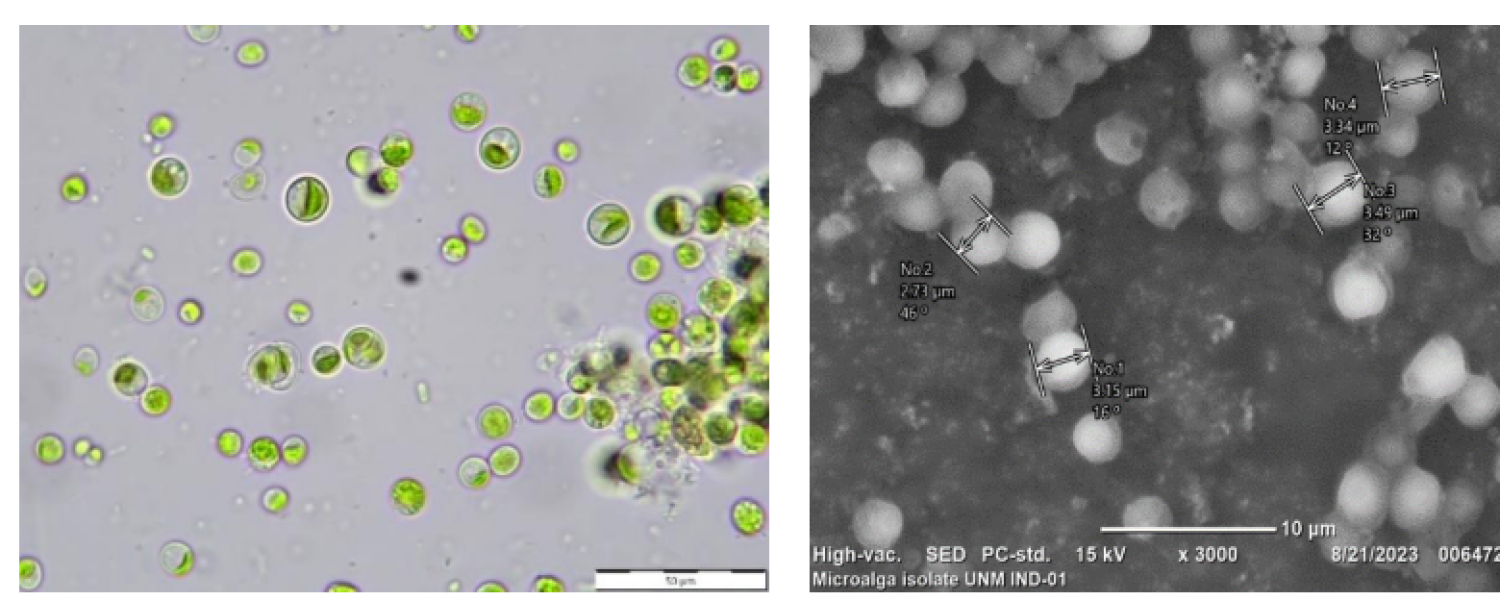
Makassar, Indonesia, 23 Oktober 2026/albiorg – The global search for renewable energy sources has driven scientists to explore unique biological resources. A prominent study published in the scientific journal BIODIVERSITAS, titled "Evaluation of a newly isolated thermophilic microalga Chlorella sorokiniana UNM-IND1 as biodiesel feedstocks," offers a promising solution. Published on 04-Oktober-2024 by the Departemen Biologi, FMNS, Universitas Sebelas Maret dan Perhimpunan Keanekaragaman Hayati Indonesia, this research highlights how extremophilic microalgae can revolutionize future green fuels.

WhatsApp Image 2025-10-27 at 15.31.50_45c39968
Pigments and polysaccharide sulfate (ulvan) from Ulva reticulata and its application as nutraceuticals
2025

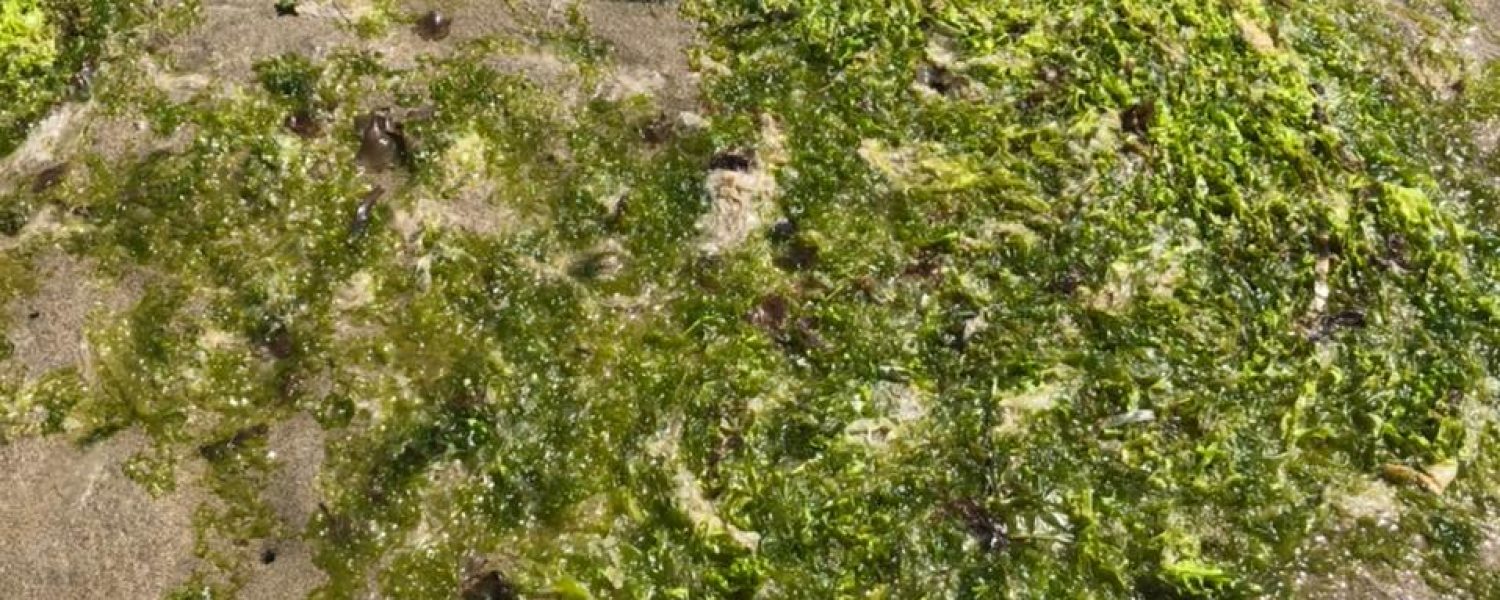
Research on ulvan and pigments from Ulva reticulata aims to obtain, purify, and evaluate the bioactive potential of its sulfated polysaccharides (ulvan) along with natural pigments such as chlorophyll and carotenoids. The study involves sample preparation, extraction, and separation of ulvan and pigments, followed by chemical characterization and biological activity assessments, such as antioxidant or antimicrobial tests. The outcomes are expected to provide scientific insight into the potential of Ulva reticulata as a valuable source of natural bioactive compounds for applications in health, pharmaceutical, and nutraceutical industries.

WhatsApp Image 2025-10-27 at 16.55.24_9389a528
Phycoerythrin pigment and antioxidant activity of red alga Halymenia sp.
2025

Research on the phycoerythrin pigment from red algae aims to obtain, purify, and evaluate the antioxidant potential of this natural pigment. The research stages include sample preparation, extraction using an appropriate buffer or solvent system, separation and purification of phycoerythrin through processes such as precipitation or chromatography, and spectral characterization to confirm pigment purity. Furthermore, the antioxidant activity of phycoerythrin is assessed using bioactivity assays such as DPPH, ABTS, or FRAP. The results of this study are expected to provide scientific information regarding the potential of phycoerythrin as a stable natural pigment and a valuable antioxidant compound for applications in food, cosmetics, pharmaceuticals, and other biotechnological industries.


WhatsApp Image 2025-10-27 at 15.26.28_09cbc59b
Bioactivity of brown alga Padina australis as antimicrobial against human and fish pathogens
2025

The study on the effectiveness of brown algae Padina australis extract aims to obtain, identify, and evaluate the bioactive potential of its active compounds, particularly as natural antibacterial and antioxidant agents. The research stages include the extraction process using solvents with different polarity levels (n-hexane, chloroform, and methanol), antibacterial activity testing against pathogenic bacteria, and antioxidant activity analysis through free radical scavenging assays. In addition, the detection of bioactive compound groups was carried out using phytochemical screening and Thin Layer Chromatography (TLC) to determine the dominant secondary metabolite profiles. The results of this study are expected to provide scientific information regarding the potential of Padina australis as a natural source of bioactive compounds, which play an important role in the development of antibacterial and antioxidant materials for applications in health, pharmaceutical, and marine biotechnology fields.