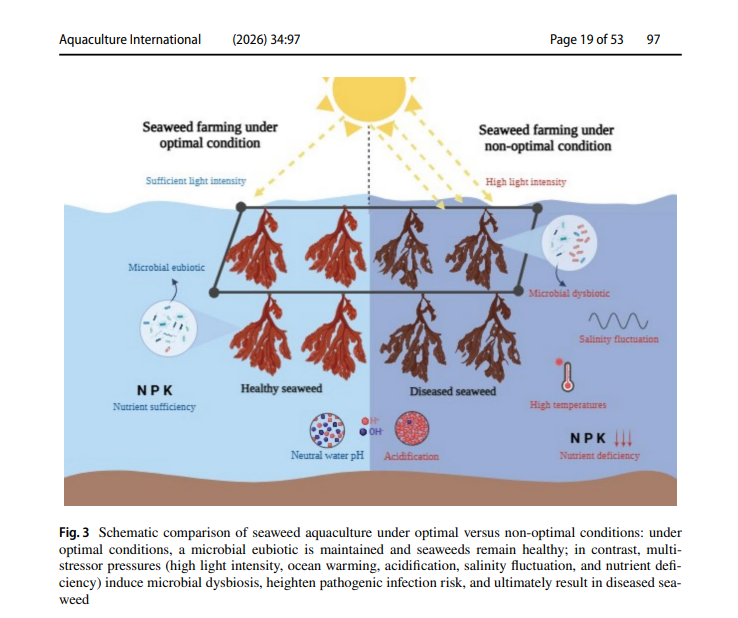
Makassar, Indonesia, November 01 2026/albiorg/-Seaweed farming has long been a vital economic driver for coastal communities, providing essential raw materials for the food, cosmetic, and pharmaceutical industries. Among the cultivated species, Gracilaria verrucosa plays a significant role in brackish-water ponds across Indonesia, helping boost oxygen production, absorb nutrients, and improve overall water quality. However, the expansion and productivity of seaweed cultivation face a major biological obstacle: the notorious “ice-ice” disease. This debilitating syndrome causes the thalli to turn translucent and white, eventually becoming brittle and fracturing, which can slash crop production by a staggering 70 to 100 percent.
To better understand and combat this threat, scientific research has focused on isolating and identifying the underlying microorganisms responsible for the infection. Based on the publication metadata—Article Title: Characterization and Identification of Bacteria Isolated from Seaweed Gracilaria verrucosa (Linn., 1758) Infected by Ice-ice, Journal Name: International Journal of Aquaculture, Publisher: BioPublisher, and Publication Date: 21 August 2014—scientists set out to examine infected thalli collected from brackish-water ponds in Takalar Regency, South Sulawesi. By inoculating samples on specialized media such as Tryptic Soy Agar (TSA) and Thiosulphate Citrate Bile Sucrose (TCBS), researchers performed detailed morphological and biochemical tests to profile the microbial communities thriving on the decaying seaweed.
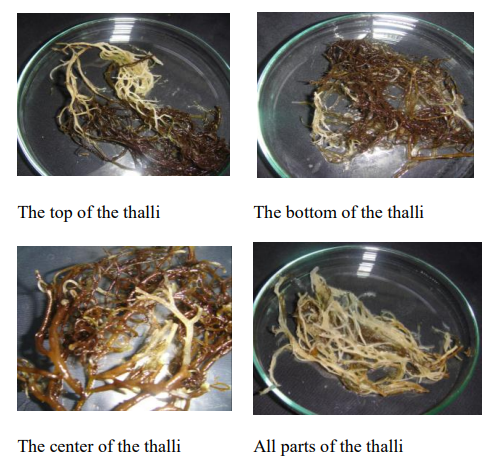
The findings revealed the presence of eight distinct bacterial species within the infected tissues: Acinetobacter sp., Pseudomonas sp., Bacillus sp., Micrococcus sp., Corinoverm sp., Cytophaga sp., Vibrio mimicus, and Vibrio campbellii. Crucially, not all identified strains act as primary threats; however, pathogenic culprits such as Acinetobacter sp., Pseudomonas sp., Bacillus sp., Cytophaga sp., and certain Vibrio species actively secrete virulence factors and degrading enzymes like carrageenase. These pathogens exploit stressed seaweed hosts, breaking down cell walls and causing the characteristic whitening and softening of the thalli.
Addressing these microbial pathogens directly ties into SDG 14 (Life Below Water). By identifying the bacterial agents behind ice-ice disease, researchers and farmers can develop targeted management and disease-control strategies to protect aquatic crops. Ensuring healthy cultivation environments minimizes economic losses for breeders and safeguards marine aquaculture ecosystems. Ultimately, bridging microbiological research with practical pond management paves the way for sustainable, resilient, and highly productive seaweed farming across coastal regions.
Dr.rer.nat. Elmi Nurhaidah Zainuddin, DES.
elmizainuddin@unhas.ac.id