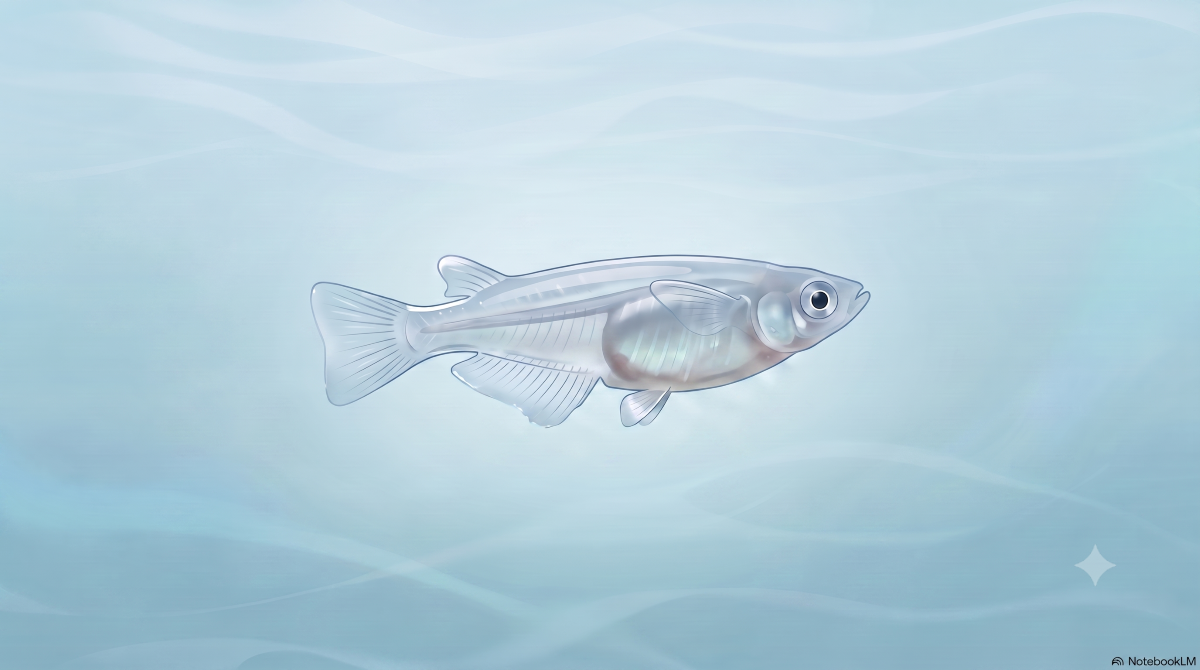

Makassar, Indonesia, Aug 1 2026/ADDIS/ – Sulawesi Island is globally recognized for its remarkable biodiversity, harboring unique endemic species such as the tiny Sulawesi medaka fish (Oryzias celebensis), which serves as an essential model organism in biological research. Highlighting critical aquatic health concerns, researchers from the Infectious Animal Disease Dynamics Thematic Research Group (ADDIS TRG) authored a pivotal paper titled “Histopathology Overview of the Liver of Sulawesi Medaka Fish (Oryzias celebensis) Infected by Vibrio cholera Bacteria”. Published in December 2021 in the journal Veterinary Practitioner, the study investigates how exposure to waterborne pathogenic bacteria harms internal fish organs.
To measure these health impacts, the scientific team collected wild medaka specimens from the Pattunuang River in Maros Regency and acclimated them carefully in laboratory containers. The fish were divided into three experimental groups to evaluate varying levels of Vibrio cholerae bacterial infection over a seven-day observation period. The first group served as a negative control kept in clean, untreated water. The second group was exposed to a lethal dose concentration of 5.73 x 10⁵ CFU/ml in a 600 ml aquatic environment. Meanwhile, the third group was subjected to a significantly higher experimental dose concentration of 6 x 10⁷ CFU/ml. After a five-hour initial bacterial immersion, the fish were transferred to fresh holding tanks where researchers meticulously monitored their daily behavioral changes, health status, and overall survival rates.
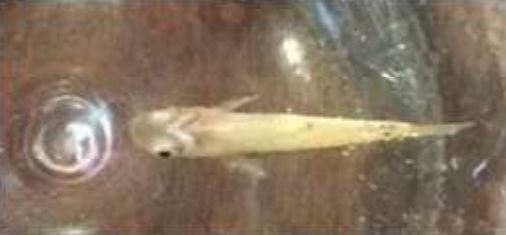
While no clinical symptoms were observed within the first 24 hours, fish in both infected treatment groups began displaying severe behavioral abnormalities starting on the third day post-infection. Infected medaka exhibited solitary swimming, general weakness, loss of appetite, and disorientation, often swimming upside down at the water surface. By the seventh day, more than half of the infected fish population succumbed to the bacterial attack, covered in excessive bodily mucus. Detailed microscopic examination of the liver—the primary metabolic organ responsible for processing nutrients and filtering toxic materials—revealed extensive tissue destruction. While uninfected control fish maintained completely healthy liver structures with clear central veins and normal hepatocytes, bacteria-exposed groups suffered progressive tissue degeneration, severe internal hemorrhages, melanomacrophage formation, and extensive cell death known as liver necrosis.
Understanding these host-pathogen interactions directly aligns with SDG 14: Life Below Water, which stresses the vital necessity of protecting fragile aquatic ecosystems and managing freshwater biodiversity sustainably across diverse natural habitats. Furthermore, because V. cholerae is a well-known zoonotic pathogen capable of contaminating shared water resources and causing severe illness, monitoring its presence in local aquatic life supports SDG 3: Good Health and Well-Being by safeguarding environmental health standards, securing water quality, and protecting public health. By revealing how bacterial infections cause severe organ failure in native aquatic species, this crucial research provides valuable scientific foundation needed to prevent disease outbreaks, preserve vulnerable freshwater ecosystems, and promote long-term environmental sustainability.
DOI:
https://doi.org/10.5555/20220264108
Contact person:
Prof. Dwi Kesuma Sari
+62 852-9927-9988
dwiksari@vet.unhas.ac.id