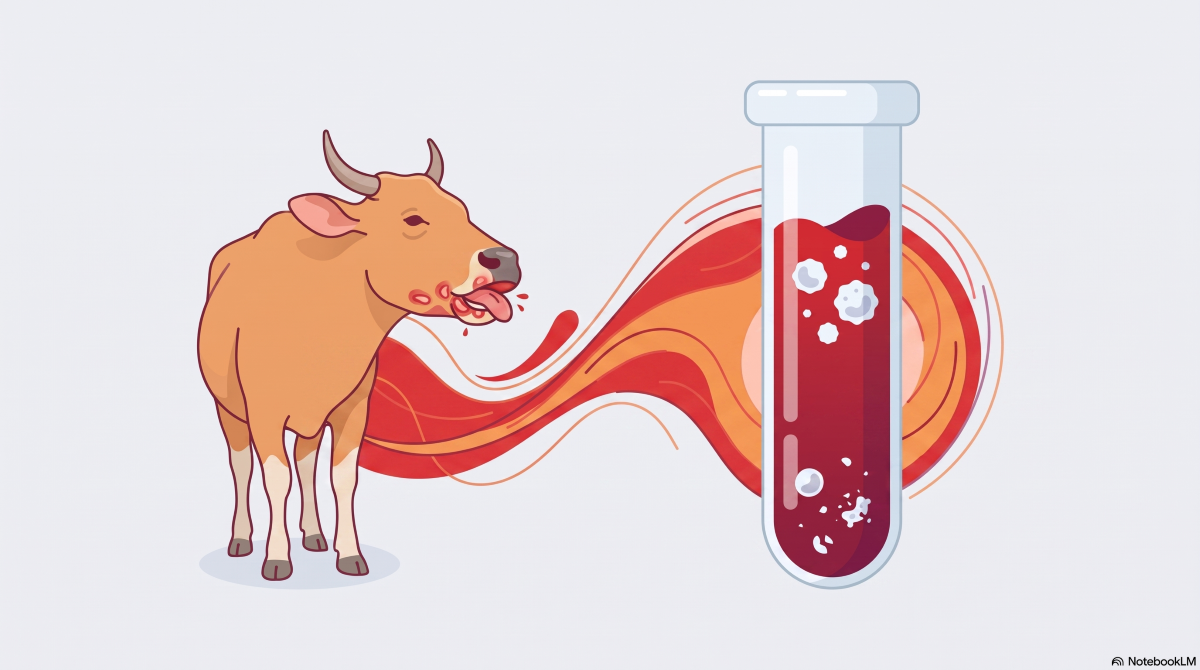

Makassar, Indonesia, Aug 1 2026/ADDIS/ – Foot-and-Mouth Disease (FMD) remains one of the most critical transmissible viral infections threatening livestock worldwide, severely impacting animal productivity, reproductive health, and agricultural economies. While the clinical manifestations of FMD—such as high fever, painful oral blisters, excessive salivation, and severe foot lesions—are well-documented, understanding the internal biological disruptions occurring inside affected animals throughout the course of infection is vital for improving medical management. Addressing this critical gap, researchers who are members of the Infectious Animal Disease Dynamics Thematic Research Group (ADDIS TRG) conducted a comprehensive study examining the specific hematological and serum biochemical profiles of native Bali cattle at different stages of FMD infection.
The detailed scientific findings of this groundbreaking investigation were published in the paper titled “Hematological and Biochemical Profile of Bali Cattle Affected by Foot and Mouth Disease at Different Infection Stages,” published on April 8, 2024, in the journal Advances in Animal and Veterinary Sciences by ResearchersLinks Ltd. By evaluating blood samples from cattle across varying stages of the disease—ranging from healthy uninfected controls to those in early, advanced, and recovery stages based on the estimated age of physical lesions—the team identified distinct physiological signatures associated with each phase. During the early stage of infection, animals exhibited a significant surge in white blood cells and granulocytes, signaling an active immune and inflammatory response as the body attempts to combat the proliferating virus. However, as the disease progressed into advanced and recovery stages, the researchers observed marked lymphopenia, or a depletion of lymphocytes. This shift highlights a temporary state of immune suppression that can leave cattle increasingly vulnerable to secondary infections if managed incorrectly.
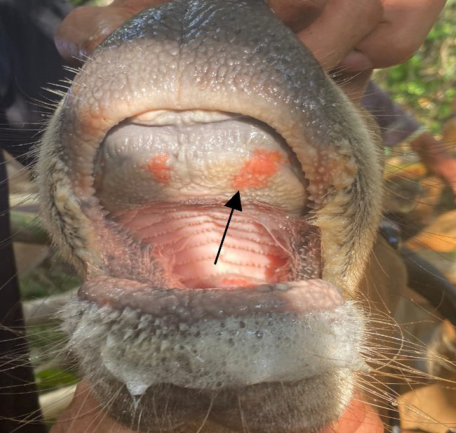
In addition to immune cell dynamics, the study uncovered key metabolic and biochemical alterations triggered by the disease. Concentrations of hemoglobin, hematocrit, and serum albumin dropped significantly across all infection stages. These biological changes were strongly linked to dehydration and severe anorexia caused by painful mouth lesions, which prevent cattle from eating and drinking normally. Furthermore, levels of crucial kidney and muscle metabolic markers such as blood urea nitrogen and creatinine declined in later stages due to poor nutritional intake, while liver and muscle stress markers like aspartate aminotransferase peaked during the recovery period.
These findings offer practical clinical guidelines for veterinary practitioners and smallholder farmers seeking to optimize cattle treatment strategies. Recognizing that cattle experience an immunosuppressive condition during advanced and recovery phases, the research cautions against the unconsidered use of immunosuppressive drugs, such as glucocorticoids. Instead, prioritizing supportive therapies, proper nutritional management, and targeted care based on the specific stage of infection can significantly improve recovery rates and overall livestock welfare.
Ultimately, this research directly contributes to SDG 15: Life on Land by providing crucial diagnostic and therapeutic insights to control infectious livestock diseases, preserve native animal biodiversity, and promote sustainable livestock management practices. By helping veterinarians and farmers better manage viral outbreaks, these evidence-based strategies protect terrestrial ecosystems and safeguard the rural agricultural livelihoods that depend on healthy livestock.
DOI:
https://doi.org/10.17582/journal.aavs/2024/12.6.1002.1009
Contact person:
Prof. Dwi Kesuma Sari
+62 852-9927-9988
dwiksari@vet.unhas.ac.id