adminacuetox

adminacuetox

Embryonic Heartbeat of Oryzias celebensis

Embryonic Heartbeat of Oryzias celebensis as a Non-Invasive Biomarker for Aquatic Toxicity Assessment Khusnul Yaqin The application of embryonic heart rate in Oryzias celebensis as a biomarker for aquatic toxicity signifies a pivotal advancement in environmental monitoring. In their study,…

CALL FOR STUDENT

Call For Student 🔬 Join the Thematic Research Group Aquatic Ecotoxicology 🔬 We invite students with a keen interest in aquatic ecotoxicology to join the Thematic Research Group Aquatic Ecotoxicology. Our current research focuses on the use of Oryzias matanensis…

The embryonic heart rate of Oryzias celebensis

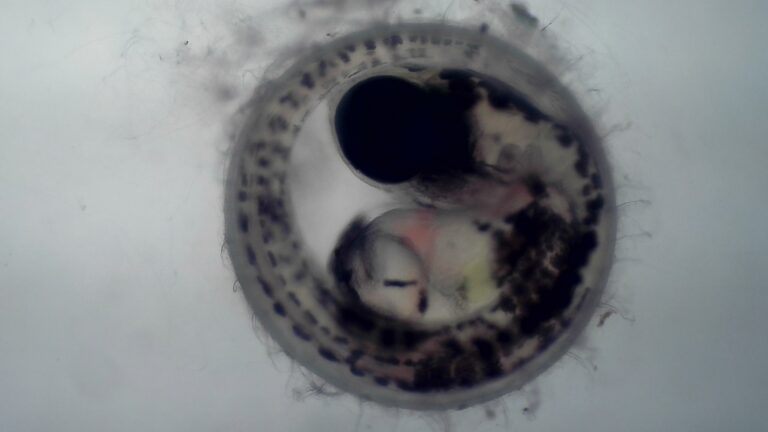
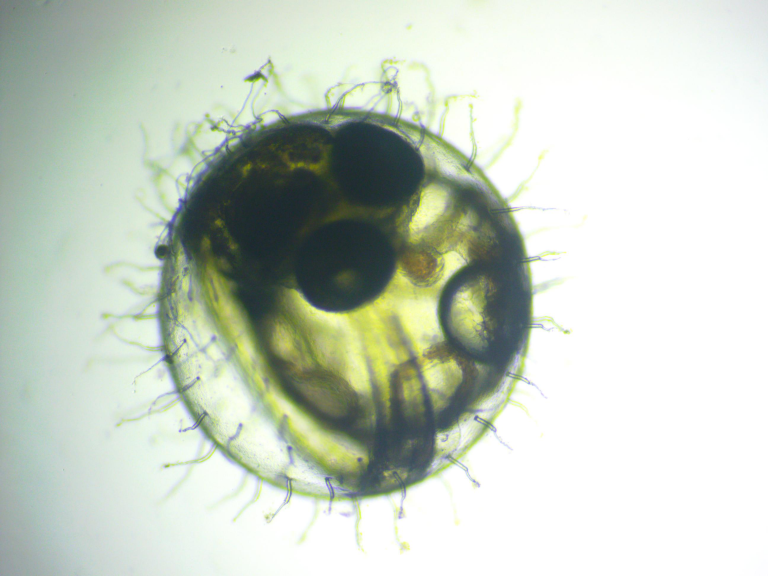
The embryonic heart rate of Oryzias celebensis serves as a sensitive, non-invasive biomarker for detecting environmental pollutants. We have utilized heart rate as a simple yet effective indicator to assess the presence and impact of toxicants, such as heavy metals and pesticides. The species' rapid physiological response and transparent embryos enable real-time cardiac monitoring, making O. celebensis an ideal model for efficient and accurate ecotoxicological studies to protect aquatic ecosystems.

Lingula sp (Lampshell) and Microplastics

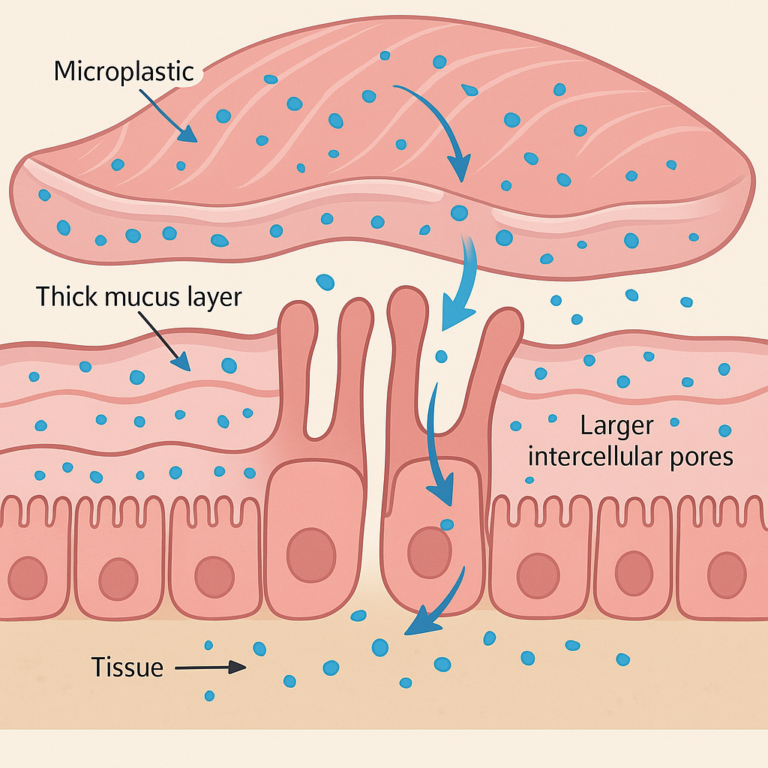
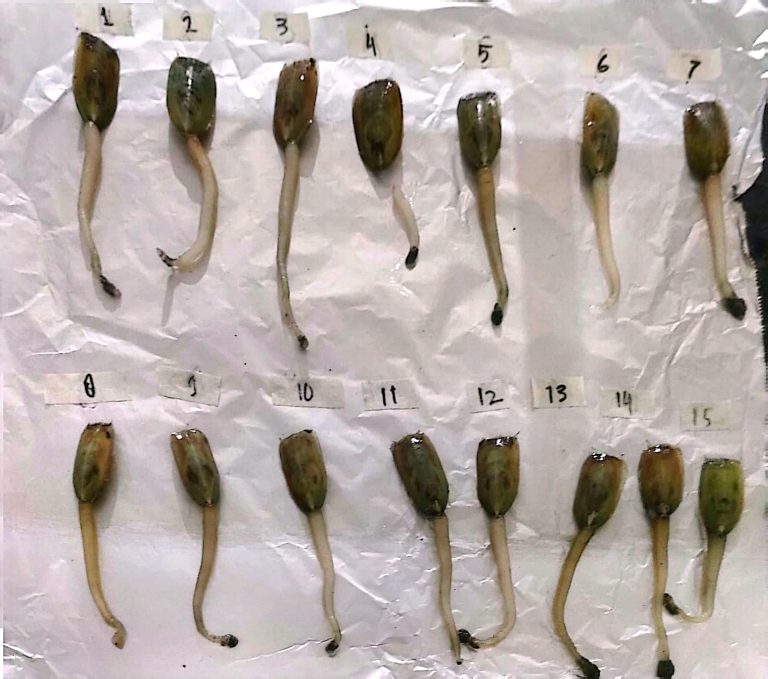
Lingula sp. is an aquatic organism belonging to the brachiopod group. Our recent research highlights its remarkable effectiveness as a sentinel organism for monitoring microplastic contamination in marine habitats. As a stationary, filter-feeding species, Lingula sp. provides a reliable representation…