

Farewell to Plastic Pollution
by Prof. Dr. Ir. Khusnul Yaqin, M.Sc
Plastic waste has become a persistent and overwhelming environmental threat. In the ocean, plastic particles float in alarming quantities. A recent study by The 5 Gyres Institute revealed that over 170 trillion plastic particles are currently floating in the world’s oceans, weighing approximately 2 million metric tons. These microplastics have been scientifically proven to harm marine life, inevitably posing risks to human health through the food chain.
On land, plastic waste continues to accumulate, forming towering heaps with no truly effective solution in sight. These mounds of plastic waste not only disrupt terrestrial ecosystems but also eventually find their way into aquatic environments, exacerbating the problem further.
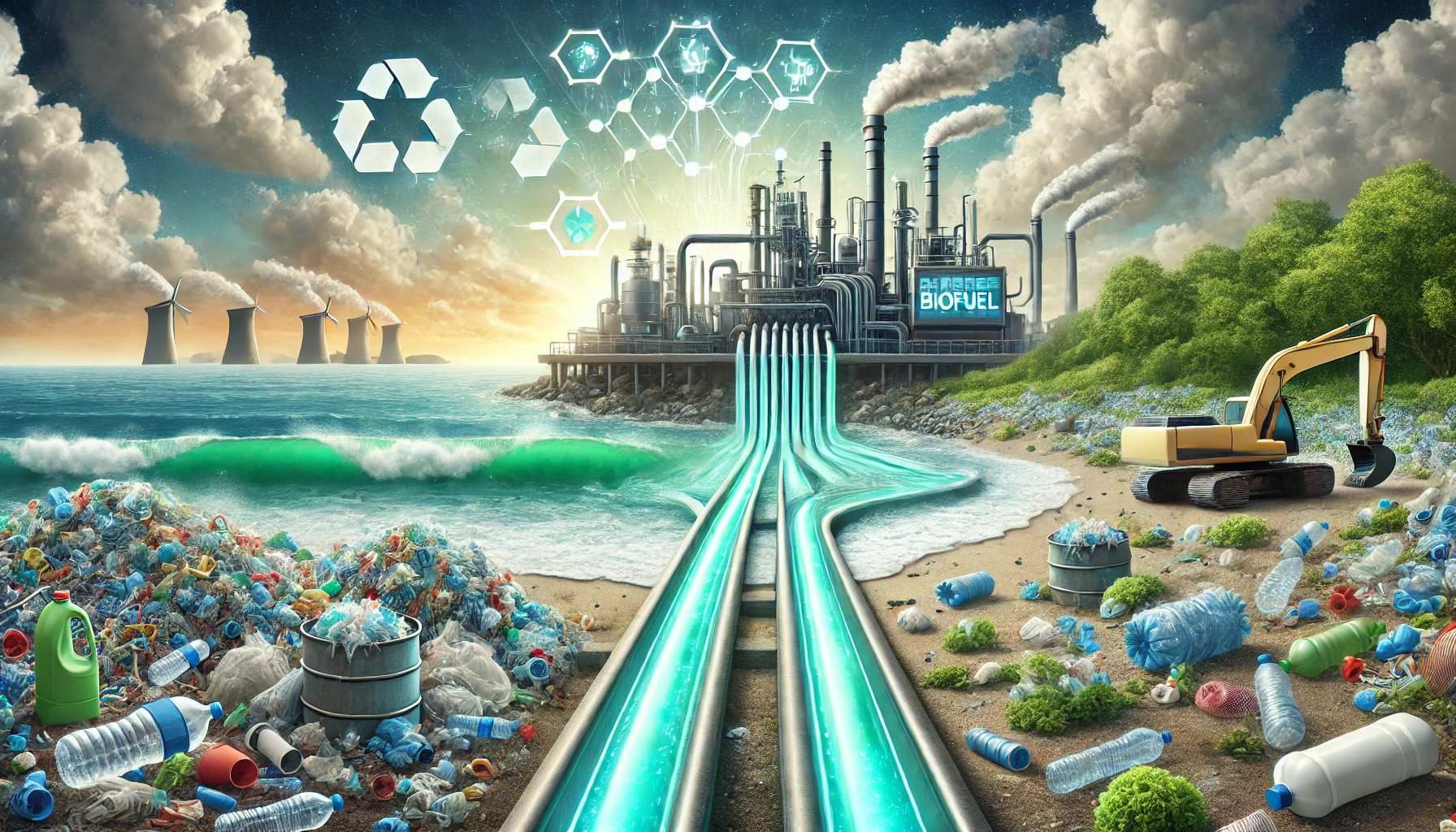
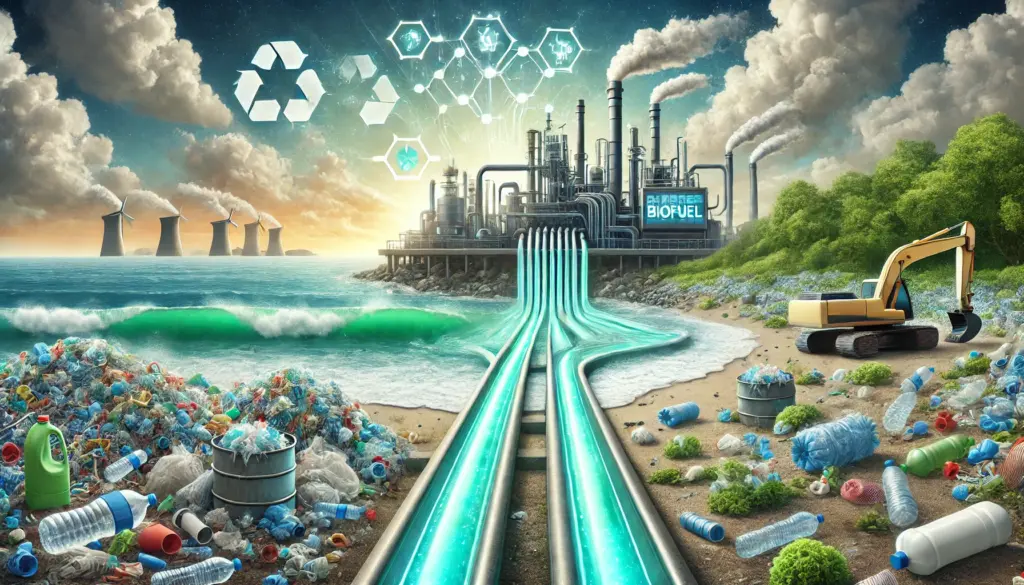
Recycling efforts have been ongoing, yet the sheer volume of plastic production far exceeds the capacity of recycling systems. However, amid this challenge, a breakthrough from Institut Teknologi Sepuluh Nopember (ITS) offers renewed hope: plastic, long perceived as mere waste, can now be transformed into high-quality biofuel.
Professor Dr. Hendro Juwono and his research team have developed pyrolysis technology capable of converting plastic waste into biofuel with a Research Octane Number (RON) of up to 102, surpassing that of conventional fuels. The distinct advantage of this method lies in its use of biomass additives such as nyamplung oil (Calophyllum inophyllum), Crude Palm Oil (CPO), and used cooking oil. This unique combination enables pyrolysis to occur at a lower temperature of only 300°C, making the process more energy-efficient and significantly more effective compared to methods that rely solely on plastic as the primary feedstock.
However, for this innovation to be implemented on a large scale, a reliable supply of plastic waste suitable for biofuel production must be maintained. In this regard, waste banks (bank sampah) play a crucial role. For years, waste banks have been at the forefront of waste management efforts in many regions, particularly in sorting and collecting plastic waste that can be repurposed. Through an incentive-based system, these waste banks encourage active public participation in plastic waste collection, preventing indiscriminate disposal and the harmful practice of open burning, which exacerbates air pollution.
By integrating waste banks into this system, the supply chain for plastic-to-biofuel conversion can be more effectively managed. Waste banks not only facilitate the segregation of economically valuable plastic waste but also act as a bridge between communities, recycling industries, and research institutions like ITS. If this system is implemented efficiently, plastic waste—once considered an environmental burden—could instead become a valuable alternative energy source that is both sustainable and environmentally friendly.
As the world intensifies its efforts to reduce dependence on fossil fuels and combat the growing crisis of plastic pollution, this innovation presents a promising step forward. With large-scale adoption and the support of sound policies, it is not impossible to envision a future where we can truly bid farewell to plastic pollution.
Tamalanrea Mas, March 8, 2025


