Beyond Bones: How Modern Science is Re-engineering Bone Repair with Hydroxyapatite
MAKASSAR, Indonesia 16 Apr 2026/WOMENHEALTH/ – Losing or damaging a bone—whether through injury, age, or illness—can severely impact a person’s quality of life. For decades, restoring human bone has been one of medicine’s greatest challenges. However, remarkable advances in biomaterials are transforming this field. At the heart of this revolution is hydroxyapatite (HA), a natural mineral form of calcium phosphate that closely mirrors the composition of human bone.
Hydroxyapatite is unique because it is biocompatible and bio-active, meaning the human body naturally accepts it and encourages new bone cells to grow around it. Scientists are using HA to support three critical processes: bone remodeling (the body’s natural cycle of rebuilding tissue), bone regeneration (growing new bone structure), and bone replacement (substituting damaged areas with durable materials).
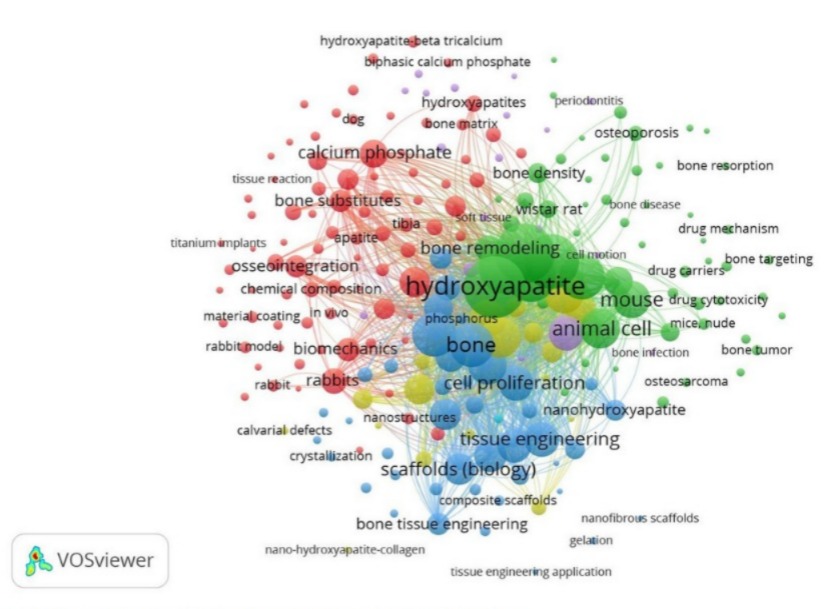
To understand how far this field has come, a comprehensive study titled “In vivo studies of hydroxyapatite for bone remodeling, regeneration, and replacement: A bibliometric analysis (2015–2025) and systematic review” was published in the journal F1000Research by F1000 Research Ltd on 16 Apr 2026. This publication meticulously evaluated decade-long animal and clinical testing (in vivo studies) to trace how hydroxyapatite-based materials transition from laboratory discoveries to real-world medical treatments.

Why does this matter beyond the laboratory? The connection becomes clear when looking at the United Nations Sustainable Development Goals. This scientific milestone directly aligns with SDGs 3: Good Health and Well-being. By advancing safe, effective, and long-lasting bone replacement solutions, researchers are paving the way for faster patient recovery times, lower medical risks, and an improved overall quality of life for millions of people worldwide suffering from orthopedic conditions.
The findings highlight that modifying hydroxyapatite with other compounds makes it even stronger, more flexible, and better suited to integrate into human tissue. As researchers refine these biomaterials, treatments for bone defects are becoming faster, less invasive, and more affordable.

In summary, the ongoing research into hydroxyapatite demonstrates how science directly addresses real-world medical challenges. As researchers continue to innovate, bone repairs will become increasingly seamless, giving patients around the globe a stronger, healthier foundation for the future.
Reference
DOI:
https://doi.org/10.12688/f1000research.178985.1
Contact:
Dr. Andi Nilawati Usman
+62 852-4009-3168
andinilawati@pasca.unhas.ac.id