
Nature Meets Science: How a Local Indonesian Herb Could Transform Breast Cancer Treatment
MAKASSAR, Indonesia May 01 2026/WOMENHEALTH/ – Breast cancer remains one of the most formidable health challenges confronting women across the globe. While conventional treatments such as chemotherapy, surgery, and targeted hormonal therapies have saved millions of lives, they frequently carry burdensome side effects and face the risk of drug resistance over prolonged use. Consequently, medical researchers are increasingly turning toward nature, investigating whether natural bioactive plant compounds can work hand in hand with standard oncology medications to deliver safer, more potent therapies for cancer patients everywhere.
A pioneering research study published on May 1, 2026, titled “Regulation of IL-10 by Herbal and Hormonal Therapy: Combination of Eleutherine bulbosa Extract and Tamoxifen Suppresses 7,12-dimethylbenz[a]anthracene (DMBA)-Induced Breast Cancer: In Vivo Evidence of Enhanced p53 Expression and Histopathological Improvement,” provides compelling evidence supporting this synergistic approach. Published in the Asian Pacific Journal of Cancer Biology by the West Asia Organization for Cancer Prevention, this landmark publication explores how combining traditional botanical extracts with standard clinical drug treatments can suppress aggressive tumor growth and significantly improve overall cellular health.
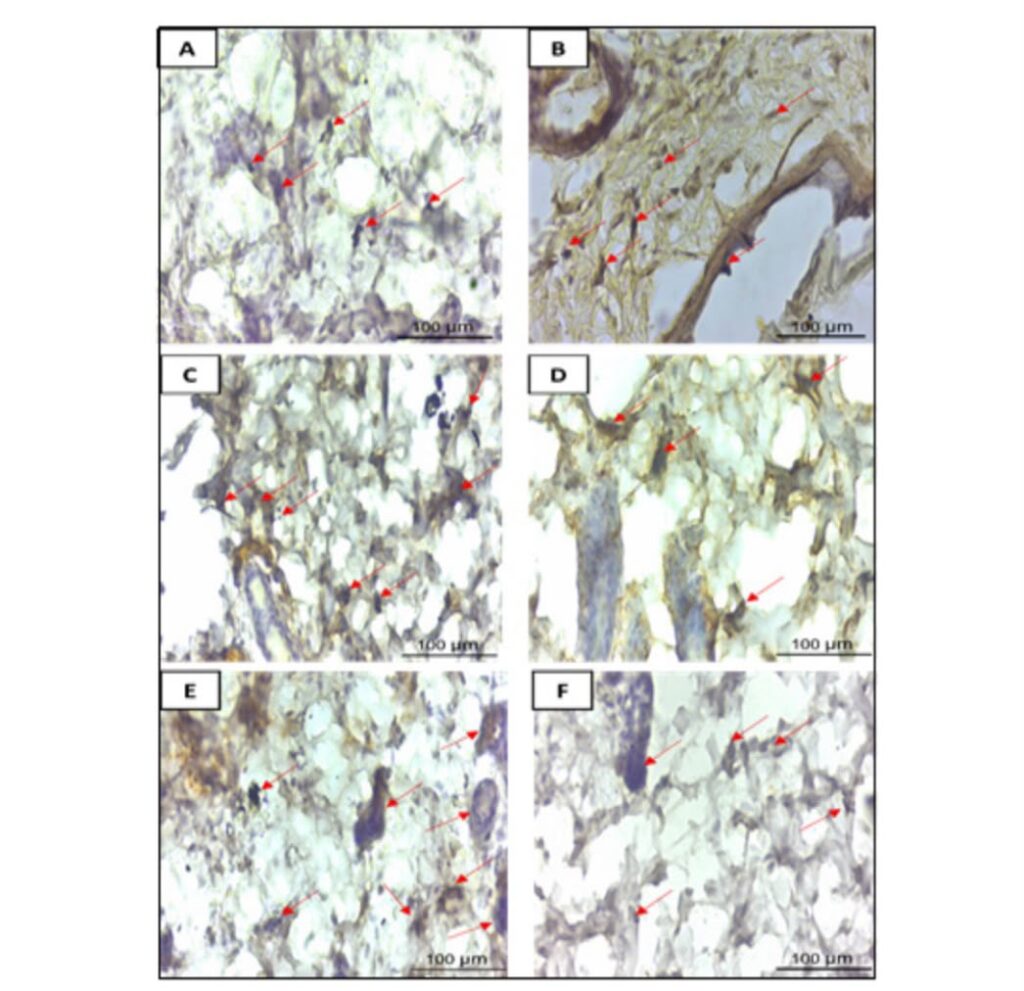
At the heart of this research is Eleutherine bulbosa, a flowering plant traditionally known in Indonesia as the Dayak onion. The dedicated research team evaluated the therapeutic efficacy of combining Eleutherine bulbosa bulb extract with Tamoxifen, a widely prescribed hormonal drug used to manage estrogen receptor-positive breast cancer. Working in an in vivo laboratory model induced with DMBA—a chemical compound used to model mammary carcinogenesis—the scientific team observed remarkable therapeutic outcomes when both treatments were administered in tandem.
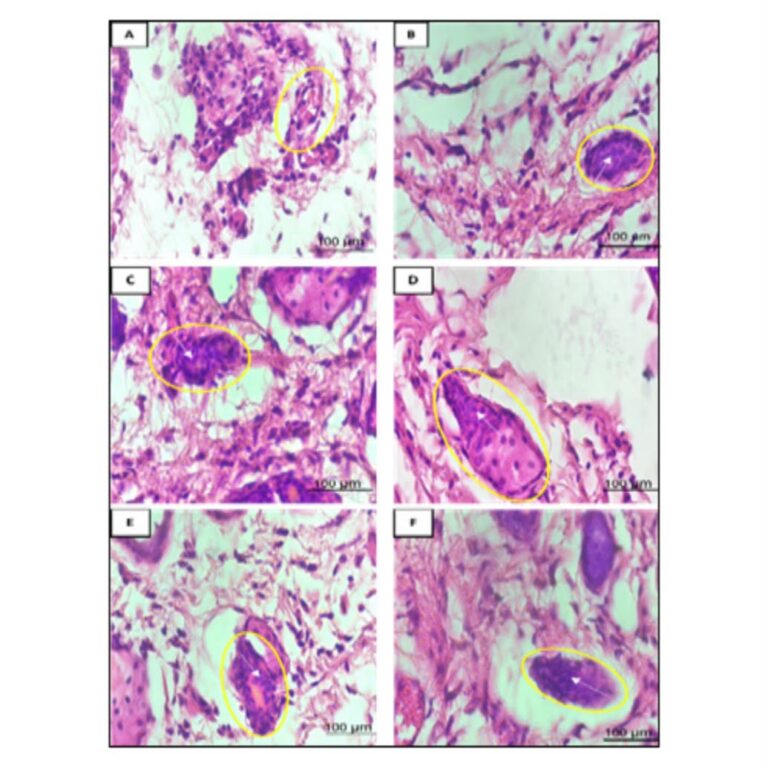
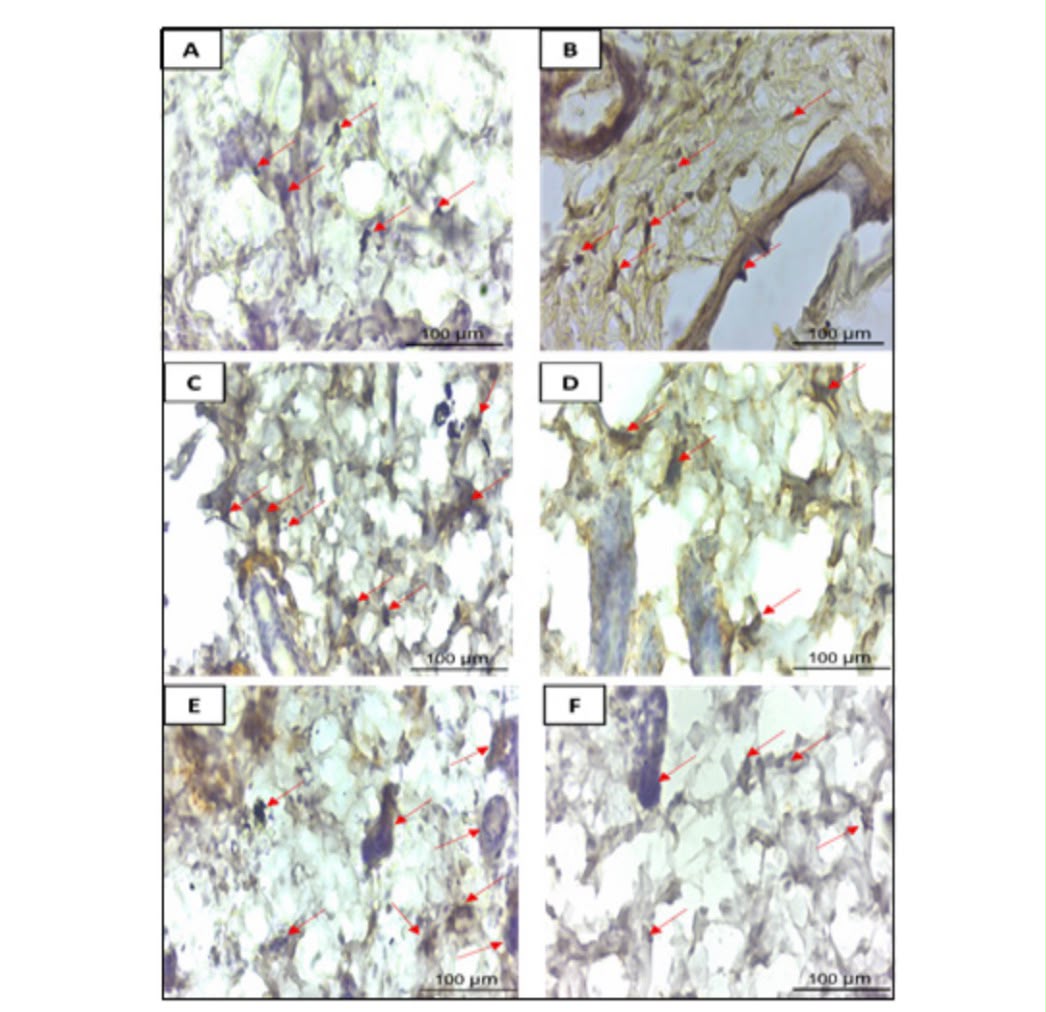
The combination therapy effectively regulated interleukin-10 (IL-10), an important signaling molecule involved in modulating immune responses and inflammation within tumor microenvironments. Crucially, the researchers documented a significant increase in p53 gene expression. Frequently referred to by molecular biologists as the “guardian of the genome,” the p53 tumor suppressor protein plays an indispensable role in halting abnormal cell division, repairing damaged DNA, and triggering cell death in cancerous cells. Furthermore, microscopic tissue examination revealed marked histopathological improvement in breast tissue samples, demonstrating reduced tissue destruction, lower cellular irregularity, and noticeably healthier tissue structure compared to single-agent treatments.
This innovative scientific breakthrough directly supports Sustainable Development Goal 3 (SDG 3): Good Health and Well-being, a global framework established by the United Nations aimed at ensuring healthy lives and promoting well-being for all individuals at all ages. By reducing mortality from non-communicable diseases and expanding access to affordable, plant-based integrative medicines, such discoveries contribute substantially toward global health equity.
In conclusion, merging rich local botanical biodiversity with modern pharmacological science offers an inspiring blueprint for the future of oncology. By unlocking the natural therapeutic potential of Eleutherine bulbosa alongside proven clinical drugs, scientists are opening new doors toward gentler, more efficient cancer therapies that bring renewed hope to patients world-wide.
Reference
DOI:
https://doi.org/10.31557/apjcb.2026.11.1.109-118
Contact:
Dr. Andi Nilawati Usman
+62 852-4009-3168
andinilawati@pasca.unhas.ac.id