
Combining Dayak Onion Extract and Tamoxifen: A Promising Breakthrough in Breast Cancer Therapy
MAKASSAR, Indonesia May 1 2026/WOMENHEALTH/ Breast cancer remains one of the most prevalent malignancies affecting women globally, with hormone-dependent estrogen receptor-positive cases representing the majority of diagnoses. Although endocrine therapies such as tamoxifen serve as the standard frontline treatment, prolonged use often leads to acquired drug resistance and treatment failure. To overcome this major obstacle, a research team from Hasanuddin University led by Fifin Ernawati, Andi Nilawati Usman, Risfah Yulianty, and Andi Ariyandy investigated an integrative therapeutic approach. Their study evaluated the synergy between tamoxifen and the ethanolic extract of Dayak onion (Eleutherine bulbosa)—a native Indonesian medicinal plant rich in bioactive flavonoids (0.9188%) and polyphenols (1.5231%)—in restoring tumor-suppressor pathways and tissue health.
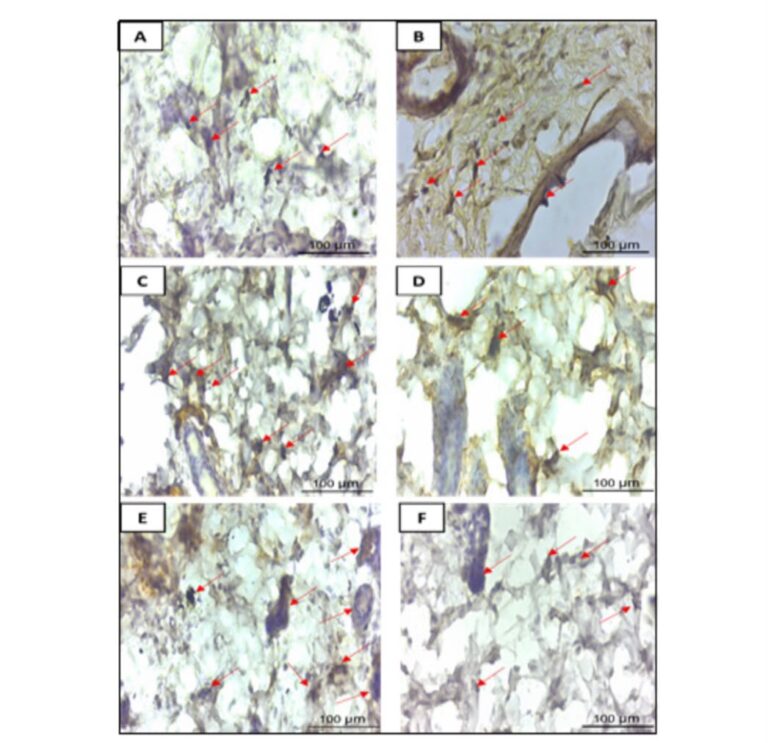
The experimental study utilized a 7,12-dimethylbenz[a]anthracene (DMBA)-induced breast cancer mouse model (BALB/c) involving 36 female mice divided across six distinct intervention groups (n = 6 per group). The researchers evaluated systemic plasma p53 levels, localized immunohistochemical (IHC) p53 expression, and detailed histopathology of the mammary gland. The findings demonstrated that DMBA induction severely degraded p53 expression and caused hyperplastic tissue damage in the positive control group. However, treatment with a simultaneous combination of Dayak onion extract (180 mg/kg/day) and tamoxifen (5mg/kg/day) successfully elevated plasma p53 concentration to 8.70 \pm 0.30\pg/mL} and boosted nuclear p53-positive cells to 30.76 pm 1.34%. Although these p53 levels were statistically comparable to tamoxifen monotherapy (8.09 \pm 0.40\text{ pg/mL} and 29.35 pm 0.77%, respectively), the simultaneous administration regimen achieved superior tissue-level recovery.
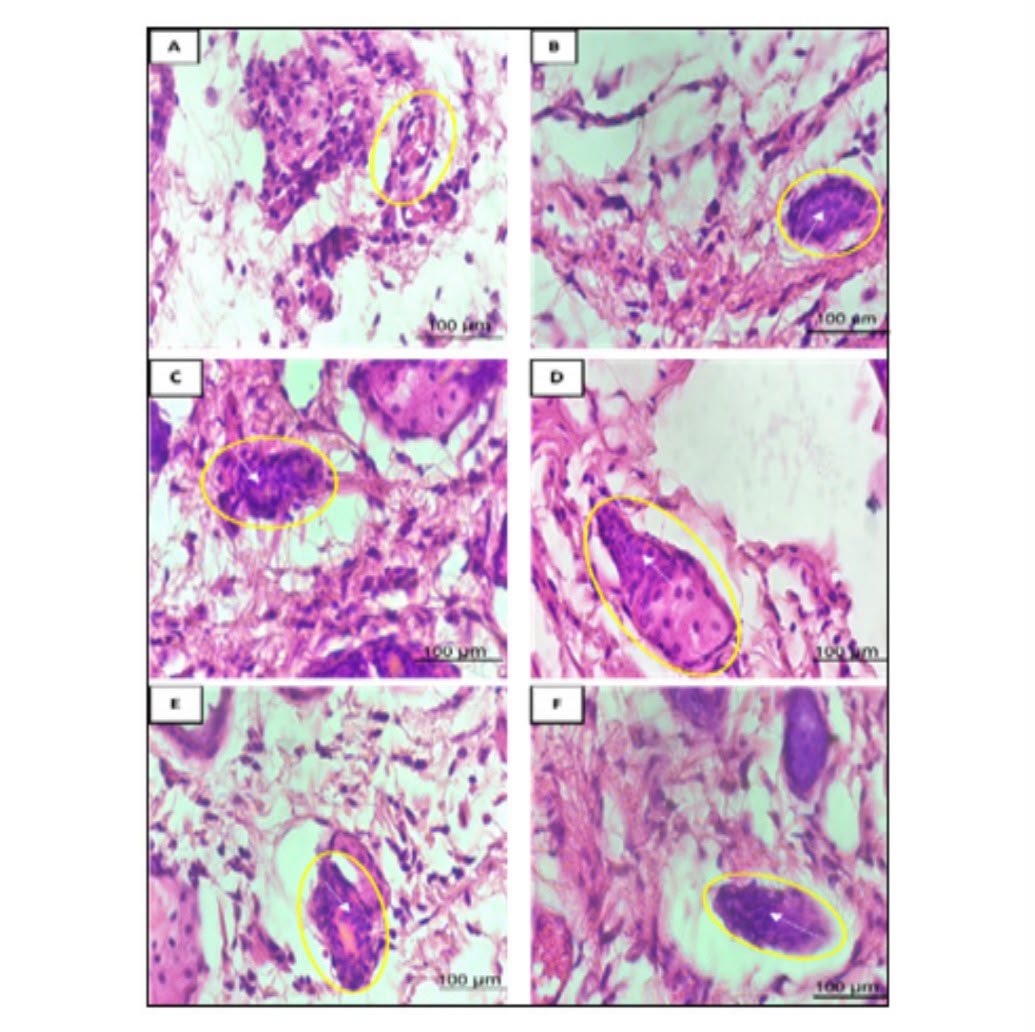
Histomorphometric evaluation confirmed that concurrent administration of both agents provided the most dramatic architectural recovery of the mammary gland. The simultaneous treatment group exhibited an average alveolar diameter of 106.71 and an alveolar density of 1.8, which closely mirrored the baseline values of healthy control mice (110.40/1.6). Microscopic observations revealed well-formed alveolar structures with minimal mitotic activity and negligible tissue necrosis, outperforming both single-extract monotherapy and sequential administration. These insights indicate that while systemic p53 modulation is driven primarily by tamoxifen, the botanical extract contributes crucial localized antioxidant, anti-inflammatory, and tissue-protective effects that enhance overall therapeutic outcomes.
Beyond its medical significance, this research directly advances key Sustainable Development Goals (SDGs). By scientifically validating traditional Dayak ethnomedicine, the study supports SDG 1 (No Poverty) through the potential development of high-value local bio-resources and sustainable agricultural supply chains. Furthermore, it reinforces SDG 4 (Quality Education) by showcasing advanced multi-disciplinary academic research across midwifery, pharmacy, and medical sciences at Hasanuddin University. Finally, the study aligns with SDG 17 (Partnerships for the Goals) by bridging traditional indigenous knowledge with modern oncology through cross-departmental scientific collaboration, paving the way for safer and more effective integrative cancer therapies.
Contact:
Dr. Andi Nilawati Usman
+62 852-4009-3168
andinilawati@pasca.unhas.ac.id