
Nature’s Shield: How Dayak Onions Could Help Fight Breast Cancer
MAKASSAR, Indonesia December 13, 2025/WOMENHEALTH/ – Breast cancer remains one of the most critical health challenges facing women worldwide. While traditional treatments like chemotherapy and hormone therapy have saved countess lives, researchers are constantly searching for gentler, more effective solutions. What if a humble plant rooted in local wisdom held a key to improving modern cancer care?
A groundbreaking study offers fresh hope by exploring how natural remedies can complement conventional medicine. Published on December 13, 2025, in the journal Archives of Breast Cancer (published by Farname Inc.), the article titled “Regulation of IL-10 by Herbal and Hormonal Therapy: The Impact of Eleutherine Bulbosa and Tamoxifen in an Experimental Breast Cancer Model” delves into an innovative approach to cancer management.
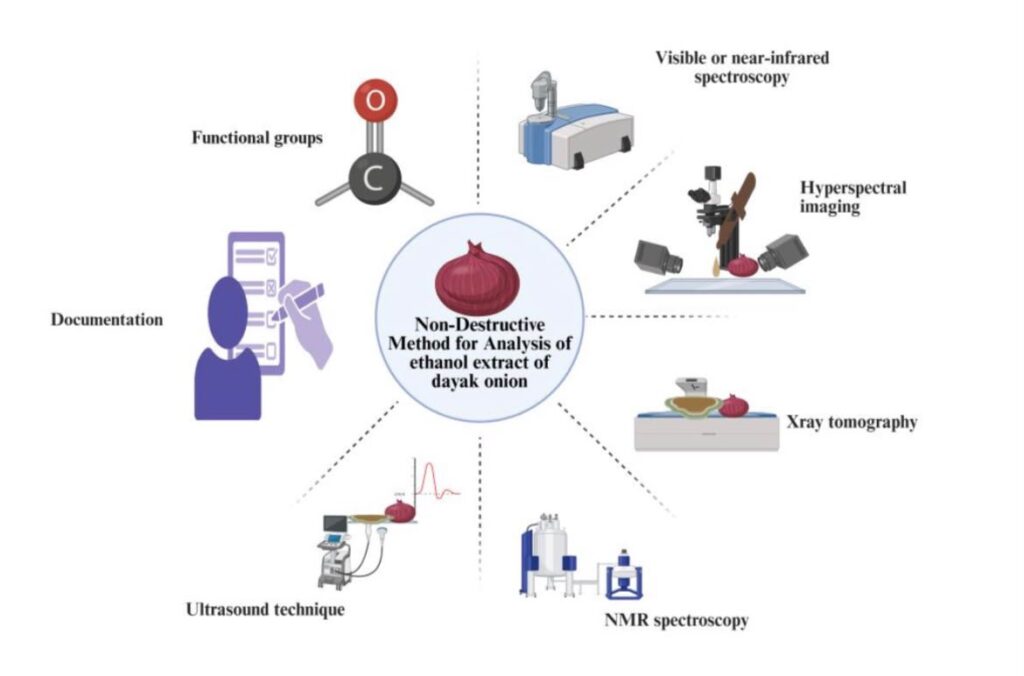
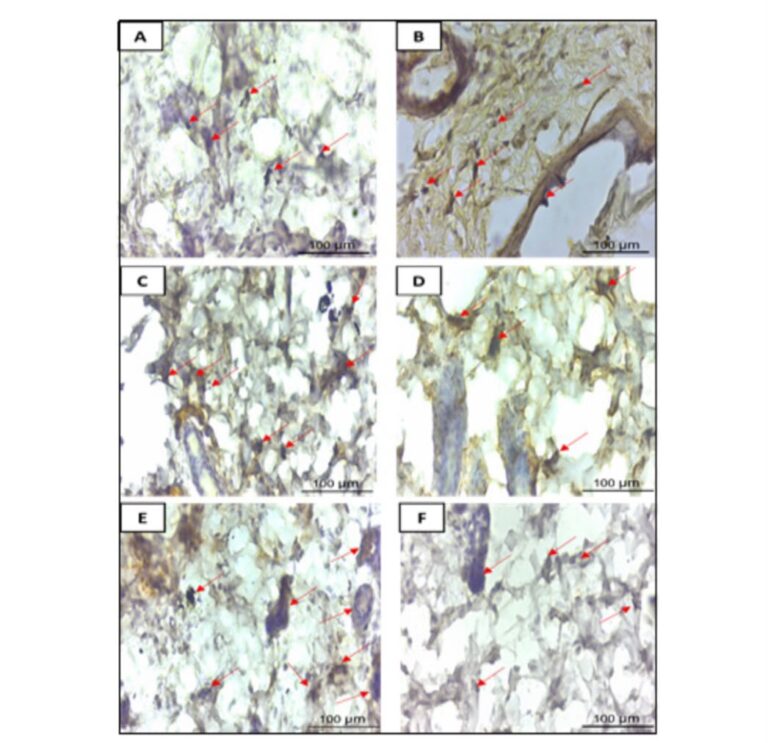
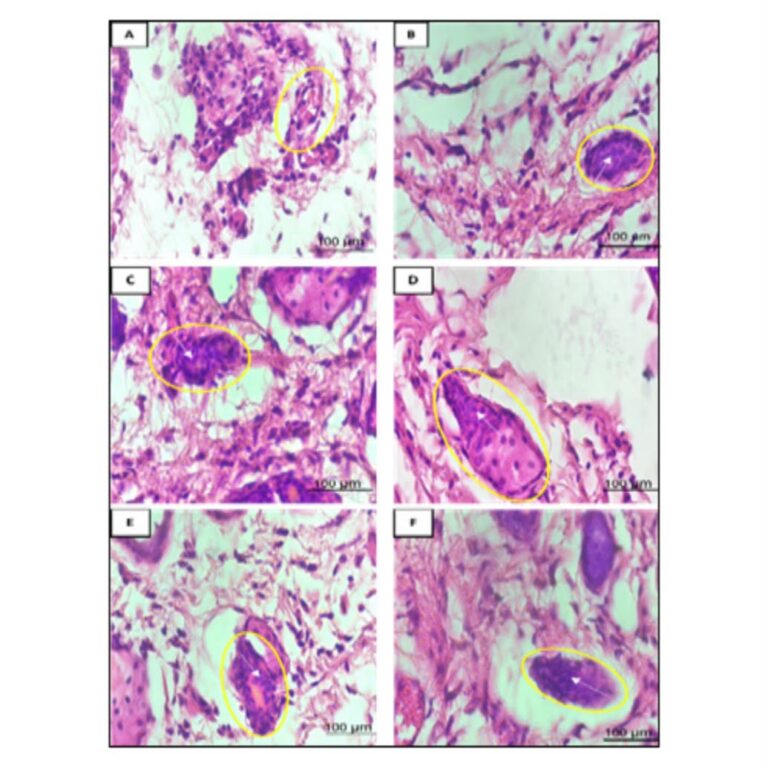
The research focuses on Eleutherine bulbosa, commonly known as the Dayak onion, and its interplay with Tamoxifen, a widely used hormonal therapy drug for breast cancer. Specifically, the study investigates how this herbal combination regulates Interleukin-10 (IL-10)—a key protein in the immune system that plays a complex role in inflammation and tumor development.
In experimental models, the researchers observed that combining Eleutherine bulbosa extract with Tamoxifen helped balance IL-10 levels. This balance is crucial: controlling inflammation can limit the environment that cancer cells need to grow and spread. By harnessing the active compounds in the Dayak onion alongside standard hormonal therapy, the treatment demonstrated a promising ability to boost immune regulation without adding severe toxic burdens.
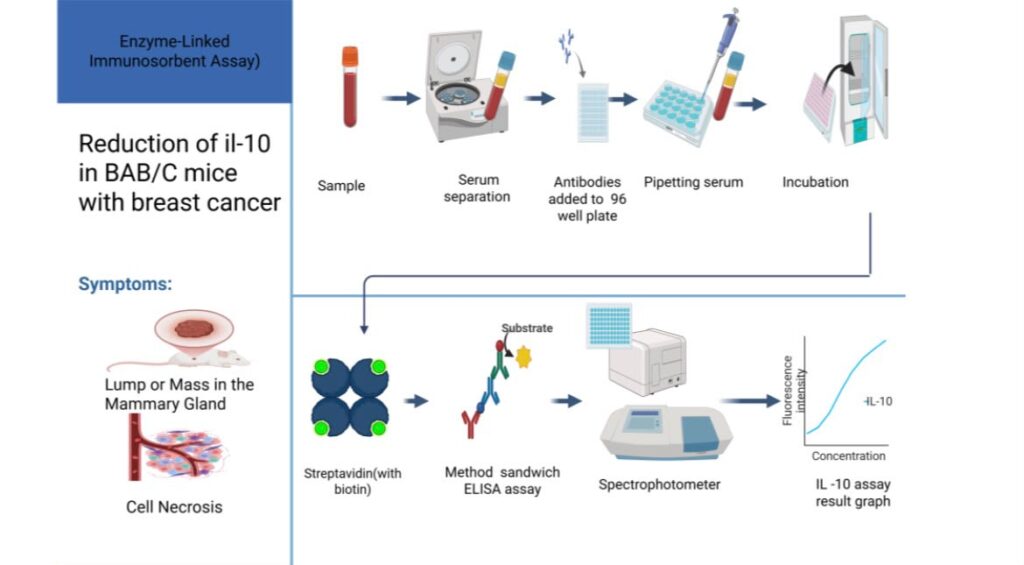
This scientific breakthrough aligns directly with SDG 3: Good Health and Well-being, one of the United Nations Sustainable Development Goals. By bridging traditional herbal wisdom with modern pharmacology, this research contributes to affordable, accessible, and less invasive healthcare options. Ensuring better treatment outcomes for breast cancer patients directly advances global efforts to reduce non-communicable disease mortality and enhance overall quality of life.
Moreover, the study highlights the enormous potential of biodiversity in medical science. Nature has provided medicinal flora for generations, but rigorous research like this translates traditional knowledge into evidence-based therapies. It reminds us that sustainable healthcare solutions might already exist in our natural environment, waiting to be unlocked by scientific rigor.
In conclusion, the findings from this Archives of Breast Cancer article prove that the future of oncology may not lie solely in synthetic drugs, but in smart, integrative approaches. As science continues to uncover the powerful synergy between herbal extracts like Eleutherine bulbosa and modern medicine, we move one step closer to achieving SDG 3 and delivering hopeful, effective healthcare to millions of women around the globe.
Reference
DOI:
https://doi.org/10.32768/abc.2486135790-246
Contact:
Dr. Andi Nilawati Usman
+62 852-4009-3168
andinilawati@pasca.unhas.ac.id