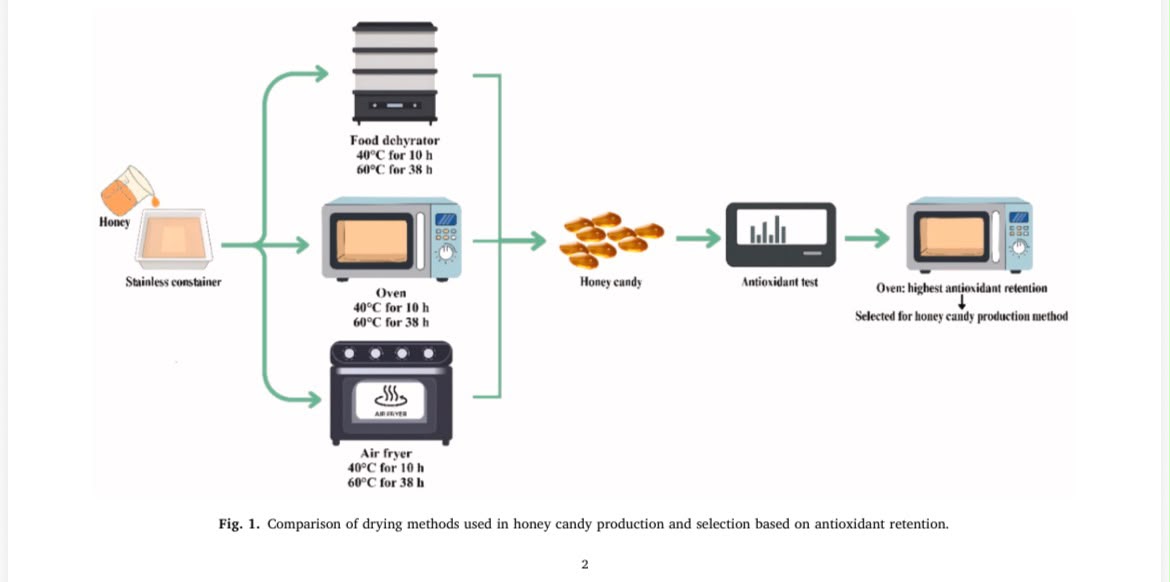

On October 12, 2025, Hasanuddin University successfully launched a pioneering community health initiative titled “Clinical Pilot Evaluation and Educational Outreach of Nori-Wrapped Forest Honey Candy for Homemakers”. The primary objective of this wellness program was to scientifically evaluate the immunomodulatory, fatigue-reducing, and sleep-enhancing benefits of a newly formulated, low-temperature processed Apis dorsata forest honey candy wrapped in protective nori (Porphyra spp.), while empowering vulnerable mothers. This ground-breaking clinical intervention and educational outreach campaign was conducted at the Maradekaya Health Center, Rappocini Village, Makassar City, South Sulawesi, Indonesia.
This multi-faceted project directly aligns with several United Nations Sustainable Development Goals (SDGs) to foster long-term community resilience. By focusing on mothers whose household incomes fall below the regional minimum wage, the program addresses SDG 1: No Poverty by introducing accessible, low-cost functional food therapies to economically disadvantaged families. Furthermore, it actively champions SDG 4: Quality Education through hands-on educational workshops that build nutritional literacy, stress management skills, and holistic health awareness among homemakers, while simultaneously providing undergraduate and graduate students with vital field-based scientific training. Lastly, the entire project serves as a practical model for SDG 17: Partnerships for the Goals by bringing together local clinical staff, community leaders, and international academic researchers to solve regional health challenges.
A total of 10 homemakers with toddlers voluntarily participated in this structured 7-day nutritional intervention. The scientific phase of the trial closely monitored how consuming 15 grams of this innovative, chemical-free candy daily affected salivary biomarkers, including Foxp3 (the regulatory T-cell biomarker), cortisol (stress hormone), and estrogen, alongside subjective psychological scores. The final results showed a profound positive impact: the mothers experienced significantly elevated Foxp3 levels, reduced psychological fatigue, and substantially improved sleep quality.
This successful community endeavor was achieved through deep academic and international collaboration. The key international partner involved in the research was Recep Tayyip Erdogan University, Turkey, represented by food engineering and safety expert Dr. Burhan Basaran, whose specialized insights helped ensure the highest standards of functional food design. Under the direct leadership of Dr. Andi Nilawati Usman from Hasanuddin University, dedicated students were fully integrated into the program to manage fieldwork and support data collection. The student team included Siti Aminah, Ahmad Fauzi, and Nurul Hidayah, who assisted with saliva sampling, participant coordination, and administering questionnaires.
By successfully bridging cutting-edge food technology with localized maternal care, this program demonstrated how natural dietary innovations can enhance public health. Hasanuddin University remains dedicated to translating academic breakthroughs into practical community solutions, ensuring that rigorous research leads to scalable, real-world improvements for vulnerable populations worldwide. Ultimately, this initiative lays a vital foundation for future research in sustainable nutrition and preventative family healthcare.