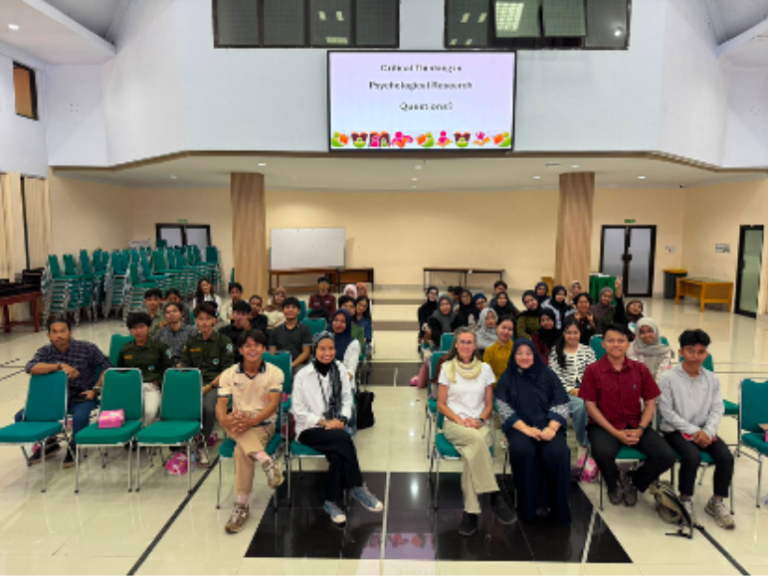
Sustainable aquaculture must begin with a clear understanding of the ecosystems that support it. In South Sulawesi, a research project titled Cracking the trophic code: Integrating nanopore metabarcoding and stable isotope to select potential sites for sustainable mud crabs (Scylla spp.) aquaculture explored how mud crab feeding ecology can guide the development of mangrove pens as an environmentally responsible grow-out system. This study responds to both scientific and policy needs, particularly the South Sulawesi Provincial Regulation No. 4 of 2023 and Indonesia’s FOLU Net Sink 2030 mission, which together emphasize the expansion and protection of mangrove areas for carbon storage, biodiversity, and sustainable land use.
The objective of the activity was to identify the trophic niche of mud crabs and use that ecological profile to determine suitable mangrove ecosystems for mangrove pen development. In practical terms, the study sought to fill an important knowledge gap for aquaculture practitioners, who currently have limited guidance on how to establish mangrove pens for Scylla spp. without degrading the ecosystem. The location of the activity was South Sulawesi Province, Indonesia, where mangrove landscapes provide both ecological value and economic opportunity. The number of participants was not specified in the source information, and the date of implementation was 2023.
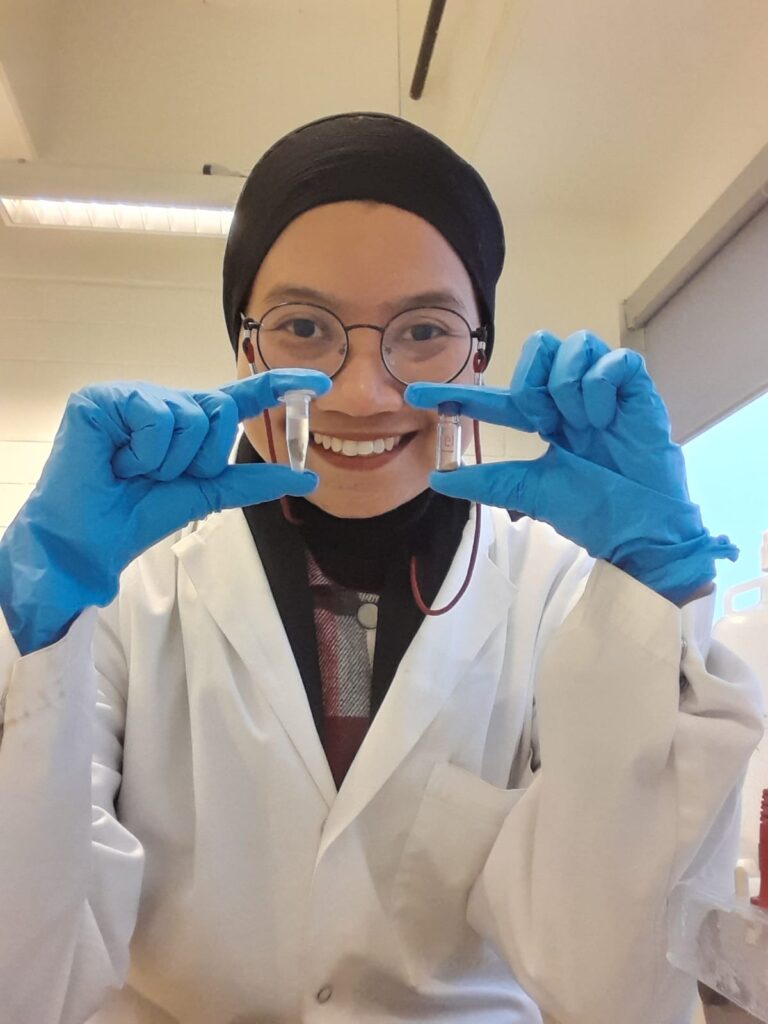
To understand what mud crabs eat and what food resources they actually use for growth, the research combined two complementary techniques. DNA metabarcoding using Oxford Nanopore Technology was applied to fecal samples from juvenile Scylla tranquebarica and S. olivacea, while Stable Isotope Analysis examined cheliped tissue from juvenile crabs and several potential prey species from intertidal habitats. Together, these methods offered a more complete picture of both ingestion and assimilation, which are not always the same. A crab may consume one food item, but only part of that diet may be incorporated into its body growth.
The findings showed limited dietary overlap between the two crab species. Juvenile S. olivacea mainly ingested organisms from the genera Charybdis, Thorea, and Battus, while juvenile S. tranquebarica consumed mostly Parabrachidontes, Mytella, and Charybdis. Stable isotope results further revealed distinct assimilated food sources, with Metopograpsus latifrons and Uca bellator contributing strongly to S. olivacea, and Parasesarma eumolpe and Uca bellator to S. tranquebarica. These results suggest that multispecies mangrove pens can be designed more effectively when food-web relationships are clearly understood.
This activity contributes directly to SDG 1 (No Poverty) by supporting sustainable aquaculture practices that can improve coastal livelihoods. It advances SDG 4 (Quality Education) through the generation of practical scientific knowledge for students, researchers, and practitioners. It reflects SDG 17 (Partnerships for the Goals) through the integration of science, regulation, and applied resource management. It also supports SDG 15 (Life on Land) by promoting mangrove-based systems that protect terrestrial-coastal ecosystems, while indirectly benefiting SDG 14 (Life Below Water) through reduced environmental pressure on coastal habitats.
Overall, this research provides an important scientific foundation for developing mud crab aquaculture that is both productive and ecologically sound, helping ensure that mangrove ecosystems remain healthy while supporting sustainable coastal development.