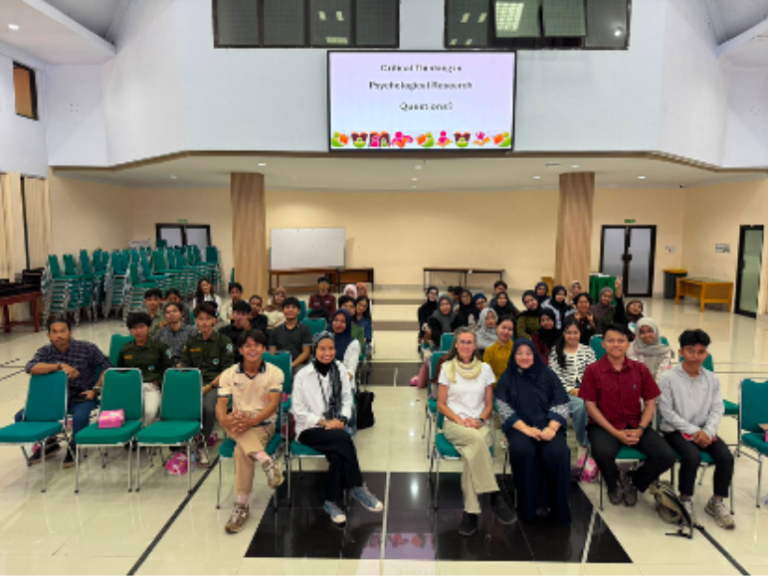
The rapid loss of forest ecosystems in South Sulawesi poses a serious threat to endemic wildlife, particularly the moor macaque (Macaca maura), a primate species found only on the island of Sulawesi. In response to increasing concerns about habitat fragmentation and human disturbance, a collaborative research project was conducted to assess the effects of forest loss on Macaca maura populations and to develop innovative monitoring approaches. This initiative reflects a growing commitment to integrating science, technology, and international collaboration to support biodiversity conservation.
The objective of the activity was to investigate the impacts of deforestation and human activities on the population distribution of Macaca maura, while also developing a systematic, efficient, and technology-based monitoring protocol to assess the species’ presence across its geographic range. The location of the activity covered almost the entire distribution of Macaca maura in South Sulawesi, excluding the northern populations near Latimojong Mountain. Key areas surveyed included regions stretching from Pare-Pare to Mount Bawakaraeng, Bone, and TAHURA Bontobahari.
This research was conducted over November 2022 – October 2023, involving 10 researchers and field assistants. The study was carried out in collaboration with University of Leipzig (Germany) as the international partner, demonstrating the importance of global cooperation in addressing conservation challenges. The students involved included two undergraduate and one graduate student from the Faculty of Forestry, Hasanuddin University, who actively contributed to field surveys, data collection, and analysis.
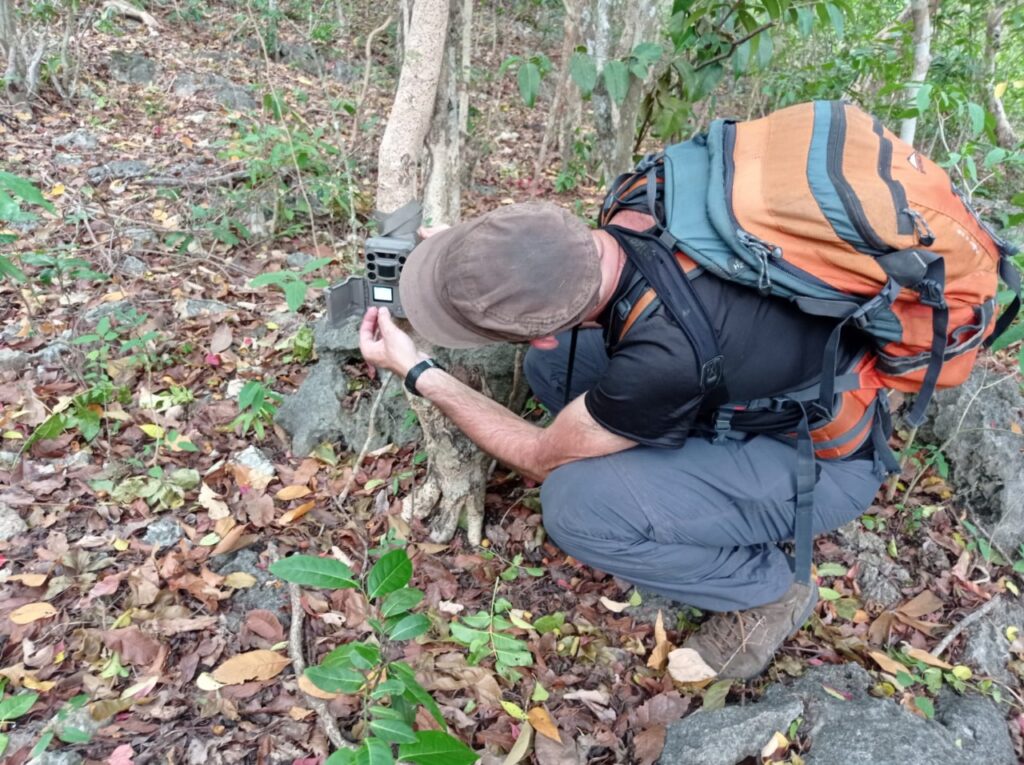
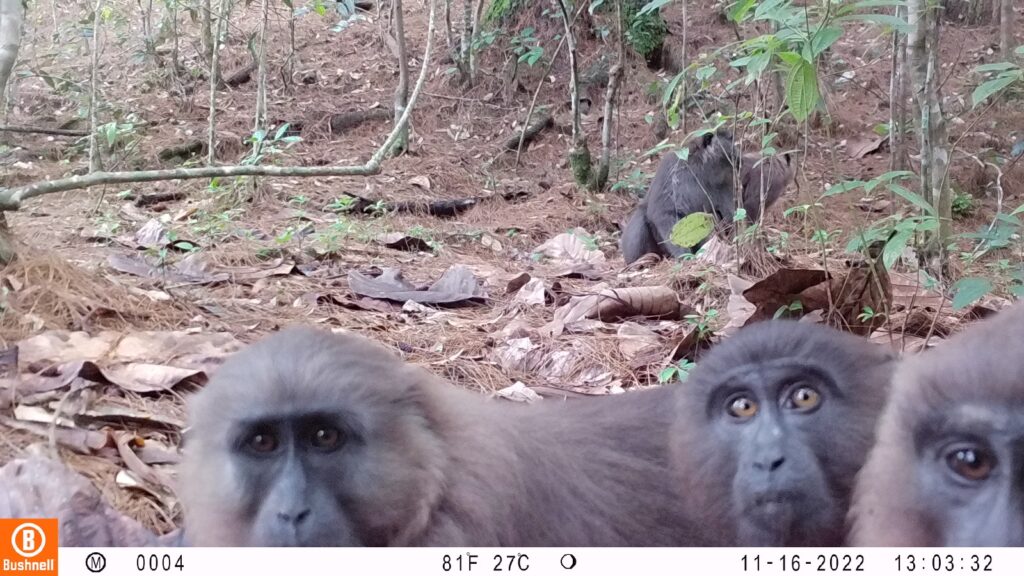
To achieve its objectives, the project employed a combination of modern monitoring techniques, including camera traps and passive acoustic monitoring, enabling researchers to efficiently detect and document macaque presence across large and fragmented landscapes. A total of 216 survey locations were assessed, providing one of the most comprehensive datasets on Macaca maura distribution to date.
The findings revealed that only three main core populations of Macaca maura remain: the Central population (Pare-Pare to Mount Bawakaraeng), the Eastern population (Bone), and the Southern population (TAHURA Bontobahari). These populations are increasingly isolated from one another due to habitat fragmentation, with significant degradation observed within each region. The study confirmed that human disturbance, including land-use change and forest loss, is a major factor contributing to the decline and fragmentation of macaque populations.
These results highlight the urgent need to reassess the protection status of remaining forest areas in South Sulawesi and to implement targeted conservation strategies that prioritize habitat connectivity and long-term monitoring. Without immediate intervention, the survival of Macaca maura could be at significant risk.
This activity contributes directly to several Sustainable Development Goals (SDGs). It supports SDG 1 (No Poverty) by promoting sustainable forest management that can provide long-term ecological and economic benefits for local communities. It advances SDG 4 (Quality Education) through the involvement of students and the development of scientific knowledge and technical skills in conservation research. Furthermore, it reflects SDG 17 (Partnerships for the Goals) through collaboration between local and international institutions. Additionally, the project aligns with SDG 15 (Life on Land) by focusing on the protection of terrestrial ecosystems and endemic species.
Overall, this research underscores the critical importance of combining scientific innovation, education, and international collaboration to address biodiversity loss. By providing robust data and practical monitoring tools, the project offers a strong foundation for future conservation efforts aimed at safeguarding Macaca maura and the forests of South Sulawesi.