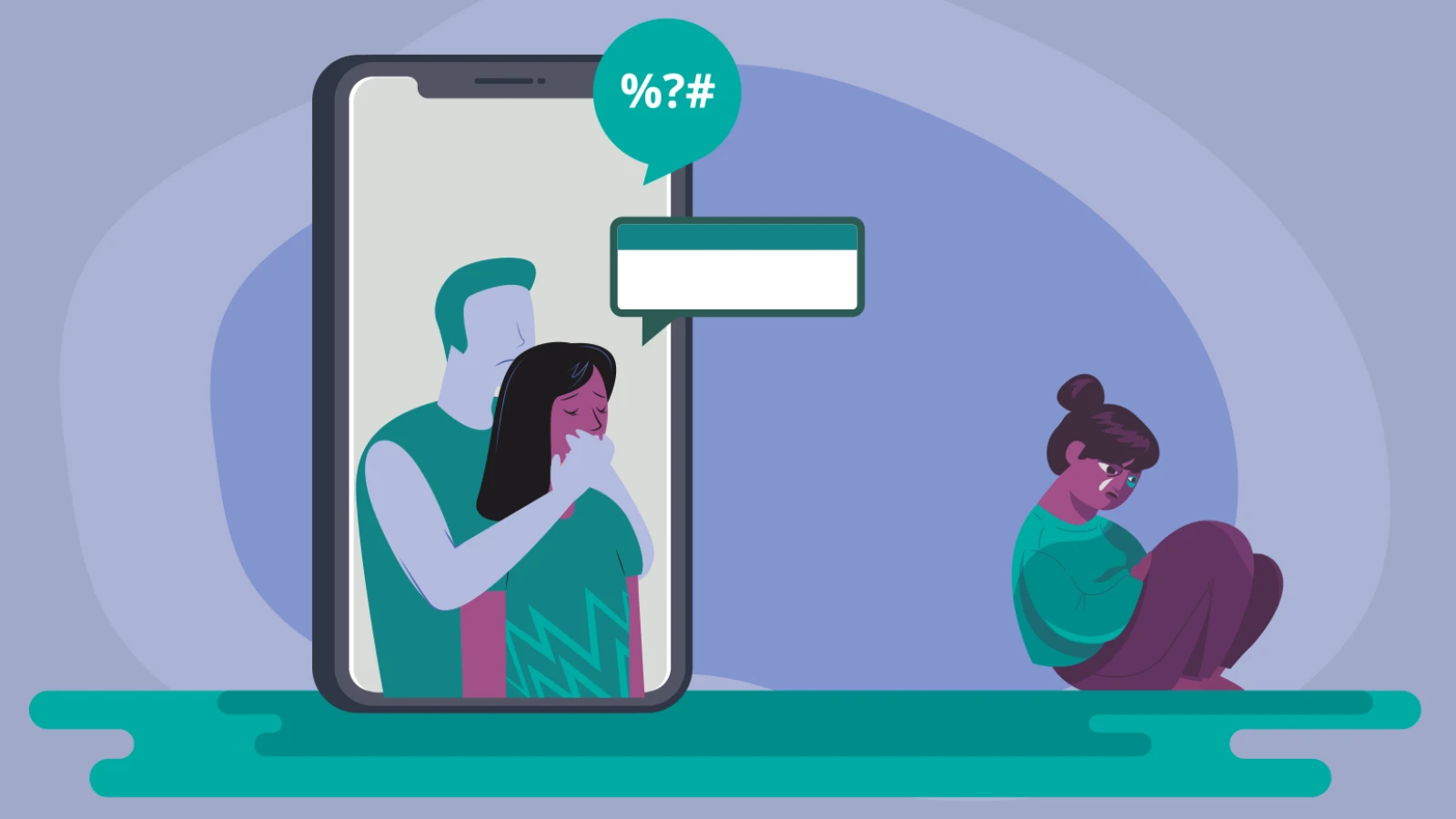

MAKASSAR, Indonesia 16 July 2026/VICTORY/ – Phones, messaging applications, and social media make communication faster, but they can also be used to threaten, stalk, deceive, sexually harass, or distribute intimate material without consent. For victims, electronic-based sexual violence may continue long after the first upload. Images can be copied, shared repeatedly, and used for blackmail, leaving victims with fear, shame, social isolation, and lasting psychological harm.
This popular-science article is based on the research article “Additional Criminal Revocation of Access to Online Communication Devices for Perpetrators of Electronic-Based Sexual Violence,” written by Maskun, Nur Azisa, Muhammad Mutawalli Mukhlis, M. Aris Munandar, and Arnita Pratiwi Arifin. The article was published in the Indonesian Journal of Criminal Law Studies, Volume 10, Issue 2, pages 451–486. The journal is published by the Faculty of Law, Universitas Negeri Semarang, and the article was officially published on 3 November 2025.
The study explains that Indonesian law already punishes electronic-based sexual violence through imprisonment and fines, particularly under the Sexual Violence Crime Law and the Electronic Information and Transactions Law. However, neither law clearly authorizes courts to impose an additional sanction restricting an offender’s access to online communication tools. This gap matters because the same digital devices that enabled the offence may still be available for repeated abuse.
A court case discussed in the article illustrates the problem. The Pandeglang District Court prohibited a revenge-porn offender from using internet-based communication devices for eight years. The Banten High Court later removed that additional punishment because no statute expressly provided such a sanction. The disagreement shows a difficult tension: judges may see digital restrictions as necessary to protect victims, but the principle of legality requires every punishment to have a clear basis in legislation.
The researchers therefore propose that Indonesia expressly regulate digital-access restrictions as an additional criminal sanction. This should not become an automatic or permanent internet ban. It must be imposed selectively, for a defined period, and only when necessary and proportionate to the offence. Courts should examine the offender’s conduct, risk of repetition, and the impact on victims. Supervision would also require cooperation among courts, correctional institutions, communication authorities, human-rights bodies, and digital service providers.
Any restriction must protect victims without ignoring the offender’s constitutional rights to communicate and obtain information. Clear procedures, judicial review, technological safeguards, and independent monitoring are essential to prevent excessive or arbitrary enforcement.
This research supports SDG 3: Good Health and Well-Being by addressing the psychological harm suffered by victims of digital sexual violence. It advances SDG 4: Quality Education by strengthening public understanding of consent, digital safety, and legal responsibility. It also contributes to SDG 17: Partnerships for the Goals because effective protection requires collaboration among government institutions, universities, technology companies, victim-support organizations, and communities.
The central message is clear: when technology becomes the instrument of abuse, criminal law must respond to the digital risk—but always through lawful, proportionate, and accountable measures.
Reference:
DOI: https://doi.org/10.15294/ijcls.v10i2.23100
Contact :
Dr. Nur Azisa
+62 896-5492-8727
nur.azisa@unhas.ac.id