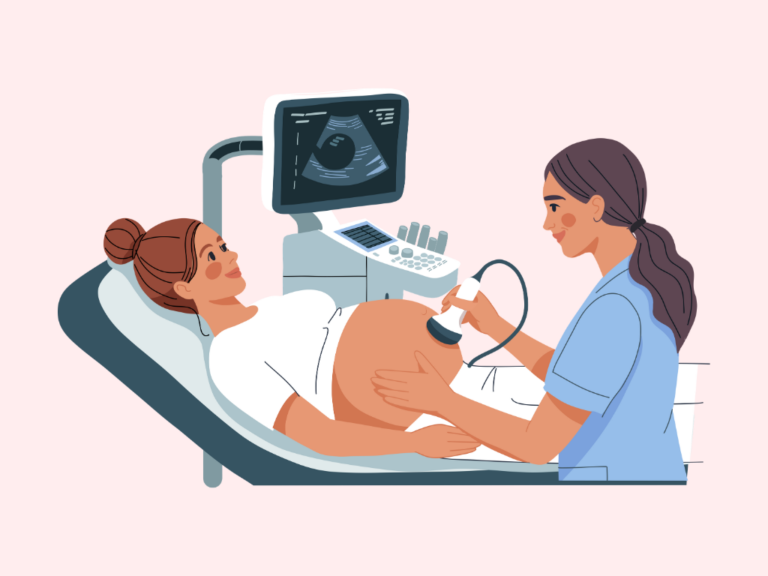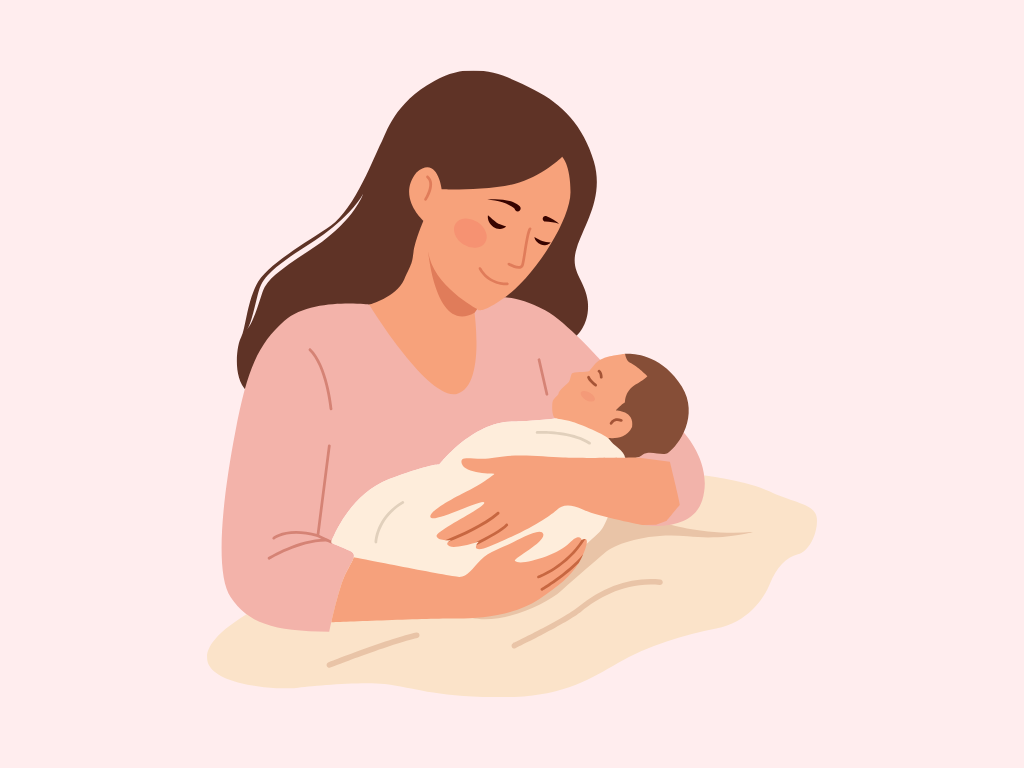

MAKASSAR, Indonesia 10 April 2026/V-Mat – Becoming a mother is never easy. It brings major physical, emotional, and social changes to a woman’s life. But for teenage girls, the transition to motherhood can feel even more overwhelming. While many people judge adolescent pregnancy from a distance, few truly understand the struggles young mothers face every day.
A scientific review titled “Adolescent mothers’ experiences of the transition to motherhood: An integrative review” explored these experiences in depth. The article was published in the International Journal of Nursing Sciences by Science Direct on 10 April 2019. The study analyzed findings from 18 international studies involving adolescent mothers from different countries, including Australia, the United States, Vietnam, Ghana, Jamaica, and others.
The review revealed that teenage mothers often experience “mixed feelings” during pregnancy and early motherhood. On one side, many feel happiness, love, and a new sense of maturity after having a baby. Some young mothers even describe motherhood as a turning point that motivates them to become more responsible and build a better future.
However, the challenges are enormous. Many adolescent mothers feel isolated from friends, regret losing their teenage years, and struggle with emotional stress. Some even experience depression and suicidal thoughts due to the pressure of early motherhood and lack of support.
The study also found that caring for a newborn is one of the hardest responsibilities faced by teenage mothers. Many feel unprepared because they lack parenting knowledge and experience. Physical exhaustion after childbirth, breastfeeding difficulties, and financial hardship make the situation even more difficult.
One of the strongest findings in the review is the importance of social support. Family support—especially from mothers, partners, and close relatives—plays a huge role in helping adolescent mothers adapt to their new responsibilities. Teenagers who receive emotional encouragement and practical help tend to develop stronger confidence as mothers.
Unfortunately, many young mothers still face negative judgment from society. Some are excluded from school, criticized by their communities, or treated unfairly by healthcare providers. In several cases, schools did not have policies that supported pregnant teenagers or young mothers who wanted to continue their education.
This issue is directly connected to SDG 3: Good Health and Well-Being. Adolescent mothers are more vulnerable to physical and mental health problems, while their babies also face higher health risks. Supporting teenage mothers with accessible healthcare, emotional assistance, and education can improve the well-being of both mother and child. The issue also relates closely to SDG 4: Quality Education. Many adolescent mothers are forced to leave school because of pregnancy, reducing their future opportunities. By creating more inclusive educational systems, societies can help young mothers continue learning and break cycles of poverty.
The review sends an important message: adolescent mothers do not only need medical care—they need understanding, support, and opportunity. Behind every teenage mother is a young girl still learning how to grow while raising another life. When society chooses compassion over judgment, adolescent mothers have a far greater chance to thrive—not only as mothers, but also as young women with dreams and futures worth protecting.
Reference:
DOI: https://doi.org/10.1016/j.ijnss.2019.03.013
Contact:
Erfina
+6281355582915
erfina@unhas.ac.id