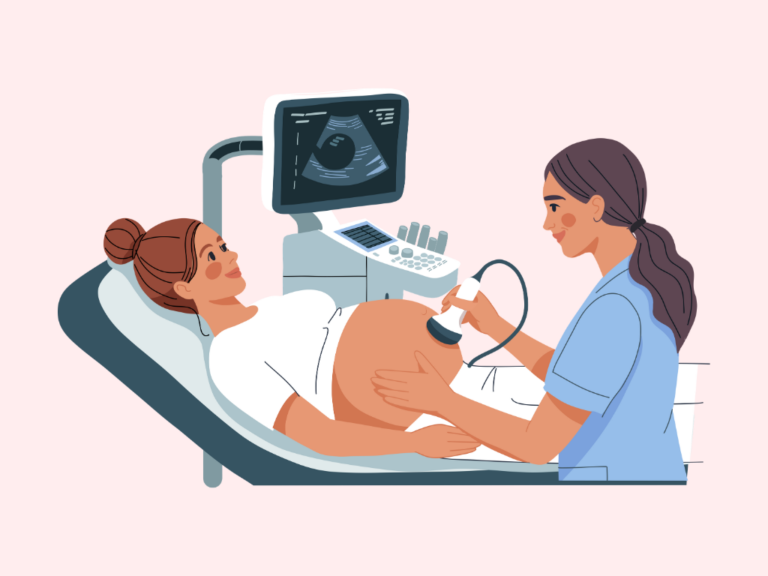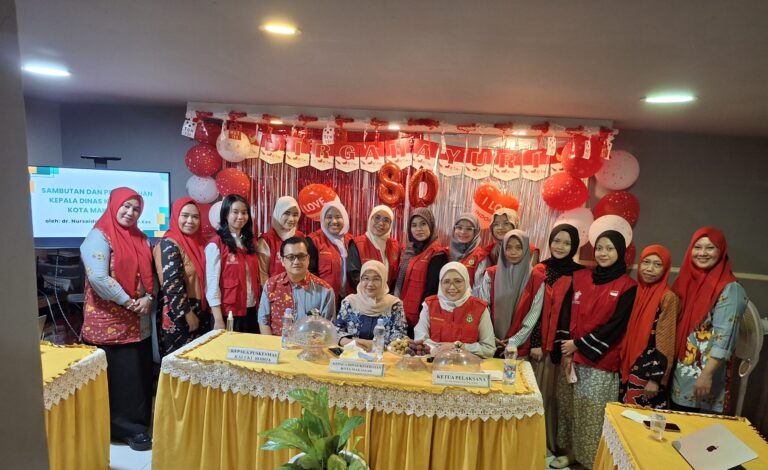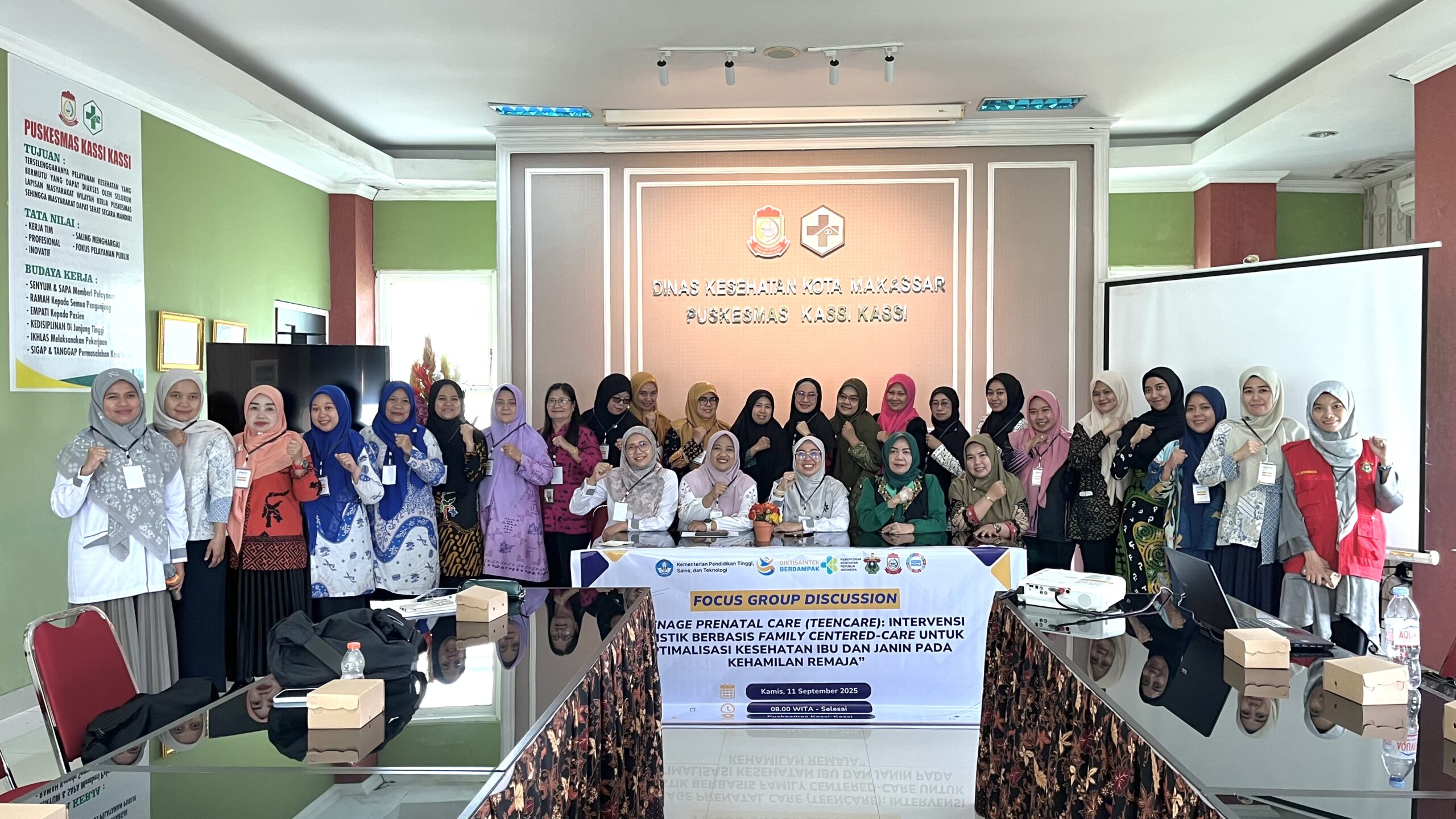

MAKASSAR, Indonesia 1 April 2026/V-Mat – Child stunting remains one of the most pressing global health challenges, affecting millions of children worldwide and limiting their growth, cognitive development, and future potential. A recent study published in the Journal of Pediatric Nursing highlights an innovative approach to addressing this issue—particularly among one of the most vulnerable groups: adolescent mothers . The research explores how a blended intervention, combining face-to-face education with digital support, can help prevent stunting in children born to teenage mothers. This approach is especially important because adolescent mothers often face unique challenges, including limited health knowledge, lack of experience, and restricted access to reliable healthcare information.
The study found that many young mothers had little to no understanding of stunting, its causes, or its long-term consequences. As described in the findings, adolescent mothers often expressed a strong desire for accessible and practical information about nutrition during pregnancy and child care . Healthcare providers also confirmed that teenage mothers frequently struggle with maintaining proper nutrition and adhering to prenatal care recommendations. To address this gap, researchers developed a blended care model that integrates direct education sessions with a mobile application. The app provides educational videos, nutritional guidance, and opportunities for online consultation. This combination allows young mothers to learn at their own pace while still benefiting from personal interaction with healthcare professionals.
The results were promising. The intervention significantly improved mothers’ knowledge about nutrition and increased healthier eating behaviors, such as better food choices and reduced fast-food consumption. However, changing attitudes proved more challenging, suggesting that long-term engagement may be necessary to influence deeper behavioral shifts. Importantly, this study emphasizes that prenatal care is not just about medical check-ups. It is also about empowering young mothers with knowledge, confidence, and support systems. By involving both healthcare providers and families, the intervention becomes more holistic and sustainable.
This research strongly aligns with several Sustainable Development Goals (SDGs). It directly supports SDG 3: Good Health and Well-being by improving maternal and child health outcomes. It also contributes to SDG 4: Quality Education, as it promotes health literacy among adolescent mothers. Furthermore, the study reflects SDG 17: Partnerships for the Goals, highlighting the importance of collaboration between healthcare providers, researchers, and communities to create effective interventions.
Ultimately, the study demonstrates that innovative, context-sensitive solutions are essential to break the cycle of poor maternal health and child undernutrition. By combining technology with human-centered care, we can create more inclusive and effective healthcare systems—ensuring that even the youngest mothers have the tools they need to raise healthy children
Reference:
DOI: https://doi.org/10.1016/j.pedn.2025.10.003
Contact:
Erfina
+6281355582915
erfina@unhas.ac.id