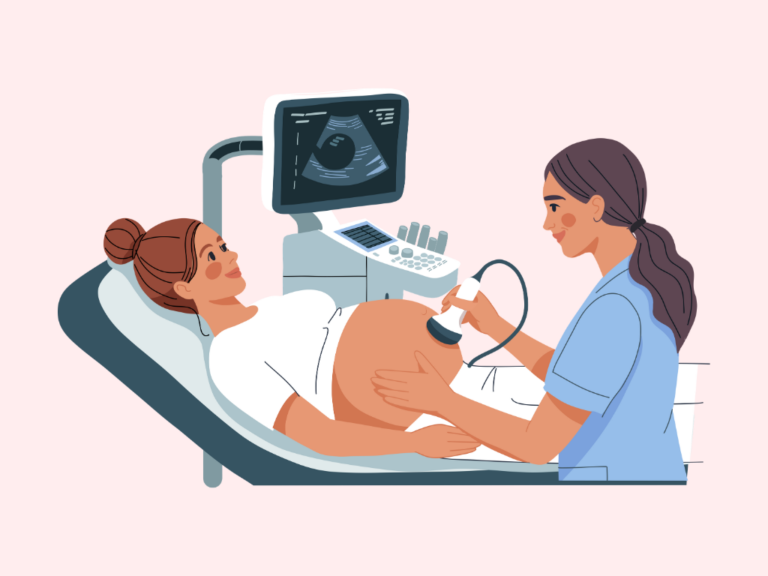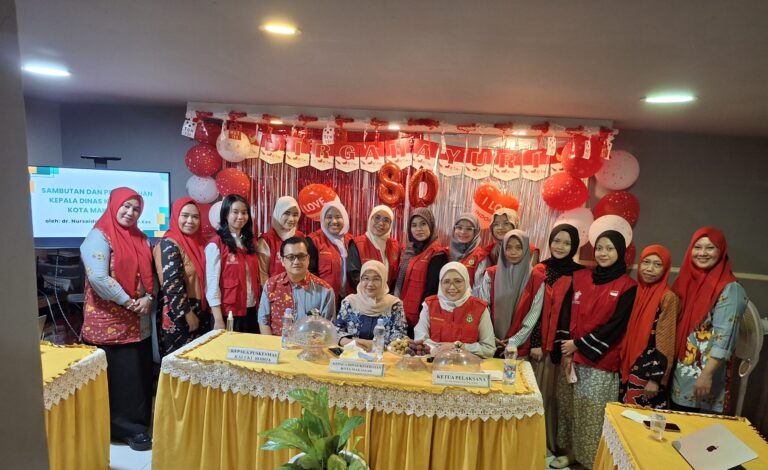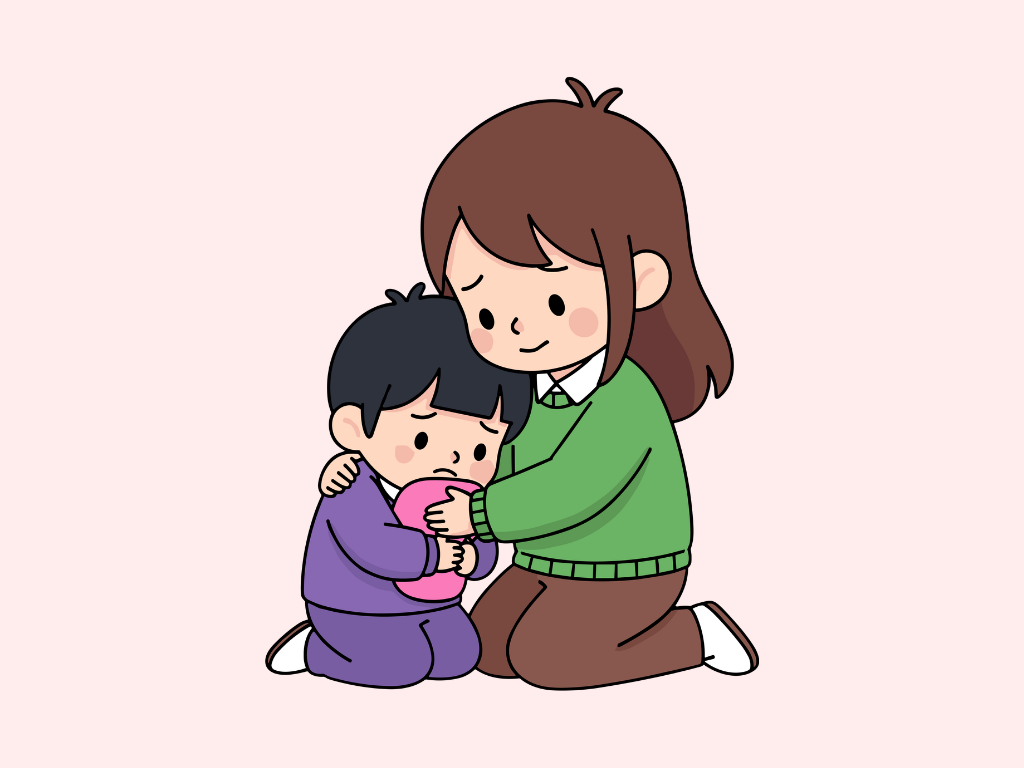

MAKASSAR, Indonesia 13 April 2026/V-Mat – Becoming a mother is never easy. For teenage girls, the experience can be even more overwhelming. They are still learning about themselves while suddenly carrying the responsibility of caring for a baby. In Indonesia, many adolescent mothers face emotional pressure, social stigma, and financial challenges. Yet behind these struggles, there is another important story that is often overlooked: the power of family support.
A study published in the journal Midwifery by Elsevier in January 2022 explored the experiences of young Indonesian mothers living with their extended families. The article, titled “Becoming an Adolescent Mother: The Experiences of Young Indonesian New Mothers Living with Their Extended Families,” was written by Erfina Erfina, Widyawati Widyawati, Lisa McKenna, Sonia Reisenhofer, and Djauhar Ismail. The research involved interviews with 11 adolescent mothers in Makassar, South Sulawesi, to better understand how family relationships shape their journey into motherhood.
The findings revealed that many young mothers experienced fear, confusion, and embarrassment after becoming pregnant at a young age. Some had to leave school, while others worried about social judgment from their communities. However, despite the emotional burden, most participants described feeling grateful because they received strong support from their families. Mothers, grandmothers, siblings, and even in-laws helped them learn how to bathe babies, breastfeed, and manage household responsibilities.
For many participants, grandmothers played a very important role. They became teachers, caregivers, and emotional supporters during difficult moments. One young mother explained that her grandmother helped care for both her and her baby because her parents were divorced. Another participant shared how her mother constantly reminded her to eat healthy foods to improve breast milk production. These examples show how knowledge about parenting is often passed from one generation to another in Indonesian families.
The study also highlighted how living with extended families reduced stress for adolescent mothers. Household responsibilities were shared among family members, allowing the young mothers to adapt slowly to their new roles. Husbands often contributed financially, while parents and grandparents provided emotional and practical support. This family-centered culture became a source of strength during the transition to motherhood.
However, the research also identified challenges related to cultural myths and limited health education. Some families discouraged contraception after childbirth because of traditional beliefs, while others followed practices not supported by medical evidence. This shows that adolescent mothers still need access to accurate healthcare information and guidance from nurses, midwives, and healthcare professionals.
This issue is closely connected to SDG 3: Good Health and Well-Being. The Sustainable Development Goal emphasizes improving maternal health, reducing health risks, and ensuring access to quality healthcare services for all people, including adolescents. Supporting young mothers with education, mental health assistance, and culturally sensitive healthcare programs can improve both maternal and infant well-being. In addition, stronger family and community support systems can help adolescent mothers continue their education and build healthier futures. In the end, adolescent motherhood should not only be viewed as a social problem. Behind every young mother is a human story filled with fear, resilience, and hope. With proper healthcare support and compassionate family guidance, young Indonesian mothers can successfully navigate motherhood while continuing to grow into confident women and caring parents.
Reference:
DOI: https://doi.org/10.1016/j.midw.2021.103170
Contact:
Erfina
+6281355582915
erfina@unhas.ac.id