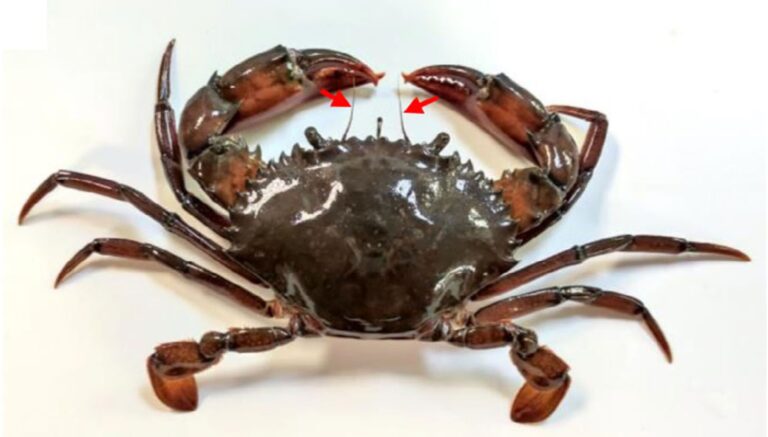

Makassar, Indonesia, August 22, 2026 /Tropicrab/ – The blue swimming crab (Portunus pelagicus) is more than just a culinary delicacy; it is a vital marine resource that supports the livelihoods of coastal communities across Indonesia and beyond. While we have long understood the importance of protecting crab habitats and managing harvest rates, the internal “reproductive clock” of these fascinating creatures has remained a complex puzzle. How exactly do female crabs manage their sperm storage to ensure successful fertilization across multiple spawning cycles?
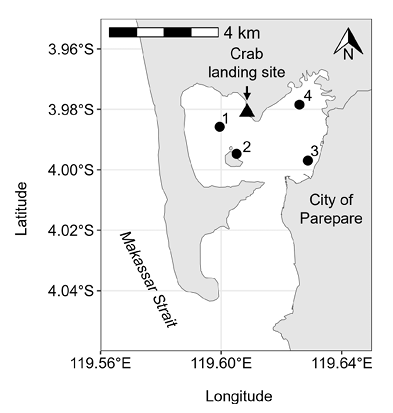
A groundbreaking study, “Sperm storage dynamics in the blue swimming crab, Portunus pelagicus: Reduction and depletion of spermathecae during ovarian maturation,” published in the Egyptian Journal of Aquatic Research by Elsevier on July 2, 2026, has finally shed light on this biological mystery. By examining 240 female crabs from Pare-Pare Bay, South Sulawesi, researchers tracked the complex changes occurring within the spermathecae—the specialized organs where female crabs store sperm until their eggs are ready for fertilization.
The study reveals that the “fullness” of these storage organs is dynamic, changing significantly as the crab’s ovaries mature. When a crab is in the earliest stage of ovarian development, its spermathecae are typically packed full of sperm. However, as the ovaries grow and prepare for spawning, this storage naturally depletes. Remarkably, while the seminal fluid—which helps nourish and protect the sperm—may disappear, the sperm cells themselves persist, ensuring that the female remains capable of fertilization even after storage levels drop.
This discovery is a significant leap forward in understanding the reproductive strategy of the blue swimming crab. It suggests that females are masters of their own reproductive timelines, capable of engaging in multiple spawning events. By deciphering these internal processes, we are gaining a clearer picture of what makes a crab population healthy and resilient.
This research aligns directly with SDG 14: Life Below Water, which emphasizes the need to conserve and sustainably use marine resources. By understanding the reproductive limits and potential of these crabs, we can develop far more effective management strategies. For example, knowing that “empty” storage doesn’t necessarily mean a crab is past its reproductive prime helps managers make better decisions about size-based harvesting and seasonal closures.
Ultimately, this study reminds us that the key to sustainable fishing lies beneath the surface. By deepening our scientific understanding of the blue swimming crab’s life cycle, we empower coastal communities to protect their most valuable resource, ensuring that these vibrant marine populations continue to thrive and support generations to come.
Metadata Article Source:
- Article Title: Sperm storage dynamics in the blue swimming crab, Portunus pelagicus: Reduction and depletion of spermathecae during ovarian maturation
- Journal Name: Egyptian Journal of Aquatic Research
- Publisher: Elsevier
- Date of Publication: July 2, 2026