For many of us who enjoy seafood, the “soft-shell crab” is a culinary delicacy. But behind this treat lies a fascinating, complex biological process known as molting. For aquaculture farmers, understanding how to control this process is the “holy grail”—the faster and more synchronized the molting, the more efficient the production cycle. However, until recently, one key player in this process within the orange mud crab (Scylla olivacea) remained largely hidden: the Y-organ.
A groundbreaking study, “Identification and Characterization of the Y-Organ of Orange Mud Crab Scylla Olivacea,” published in the journal Microscopy Research and Technique by Wiley Periodicals LLC on December 9, 2024, has finally illuminated this microscopic engine of growth. While scientists have long known that Y-organs are the endocrine glands responsible for secreting molting hormones in crustaceans, identifying them in mud crabs has been a challenge due to their incredibly tiny size and lack of distinct features.
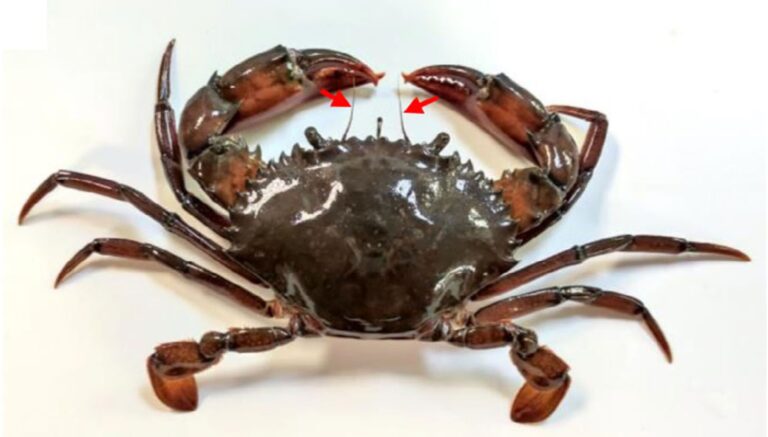
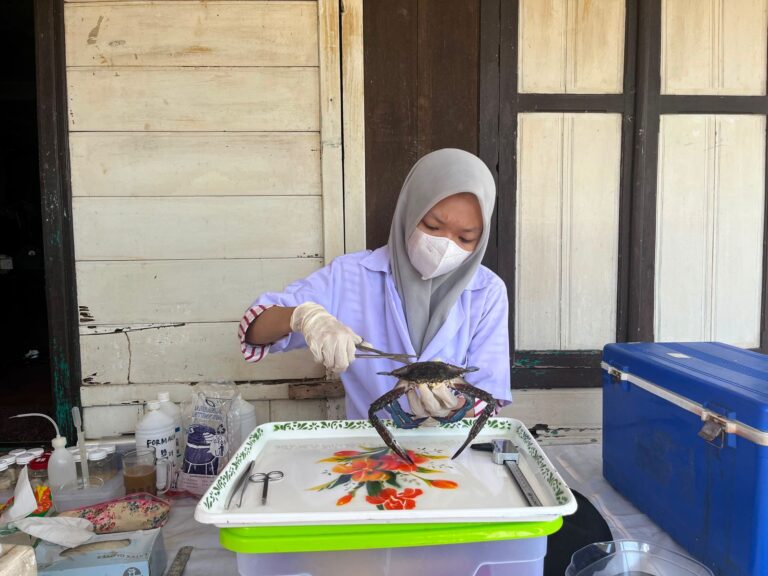
Through a meticulous combination of histological analysis and scanning electron microscopy, the research team successfully mapped the location of the Y-organs in Scylla olivacea. They discovered these glands are paired, yellowish-white, and oval-shaped, tucked away deep within the crab’s cephalothorax, right beneath the mandibular external adductor muscles.
The study goes further than just locating the organ; it reveals how the Y-organ actually works. By comparing crabs at different stages of their life cycle—intermoult, premoult, and postmoult—the researchers found that these glands are highly active. As a crab prepares to molt (the premoult stage), the Y-organ physically expands, and its cells increase in size and density, signaling a surge in the production of molting hormones like 20-hydroxyecdysone (20E). Using high-performance liquid chromatography (HPLC), the team confirmed that these organs are indeed factories for ecdysteroids, the chemical messengers that drive growth.
This discovery is a major step forward for SDG 14: Life Below Water, which promotes the sustainable management of marine resources. By identifying the exact “control center” for molting, researchers have paved the way for more humane and sustainable aquaculture practices. Instead of relying on potentially stressful, traditional methods to induce molting, future technologies might allow farmers to precisely stimulate or support the Y-organ’s natural activity.
Ultimately, this research turns a biological mystery into a practical tool for the industry. By understanding the orange mud crab’s internal clock, we are not just improving efficiency; we are ensuring that the crab culture industry remains productive, sustainable, and scientifically responsible, providing a clearer path for the future of mud crab farming.
Article Metadata:
- Article Title: Identification and Characterization of the Y-Organ of Orange Mud Crab Scylla Olivacea
- Journal Name: Microscopy Research and Technique
- Publisher: Wiley Periodicals LLC
- Date of Publication: December 9, 2024