
Makassar, Indonesia, August 22, 2026 /Tropicrab/ – In the world of aquaculture, knowing the gender of your stock as early as possible is a game-changer. For farmers, it is the difference between a mixed-culture system and a more efficient “mono-sex” system. By separating male and female crabs, farmers can tailor their feeding strategies and optimize harvest times, ultimately boosting both production and profit. But here lies the challenge: in the early stages of life, blue swimming crab (Portunus pelagicus) seeds are notoriously difficult to distinguish by sex.
Typically, farmers must wait until crabs are mature to identify them based on body shape and color. However, a revolutionary study published in the International Journal of Agriculture and Biology by fspublishers on April 16, 2024, suggests that the secret to early gender recognition might be hiding in plain sight: the color of the seeds themselves.
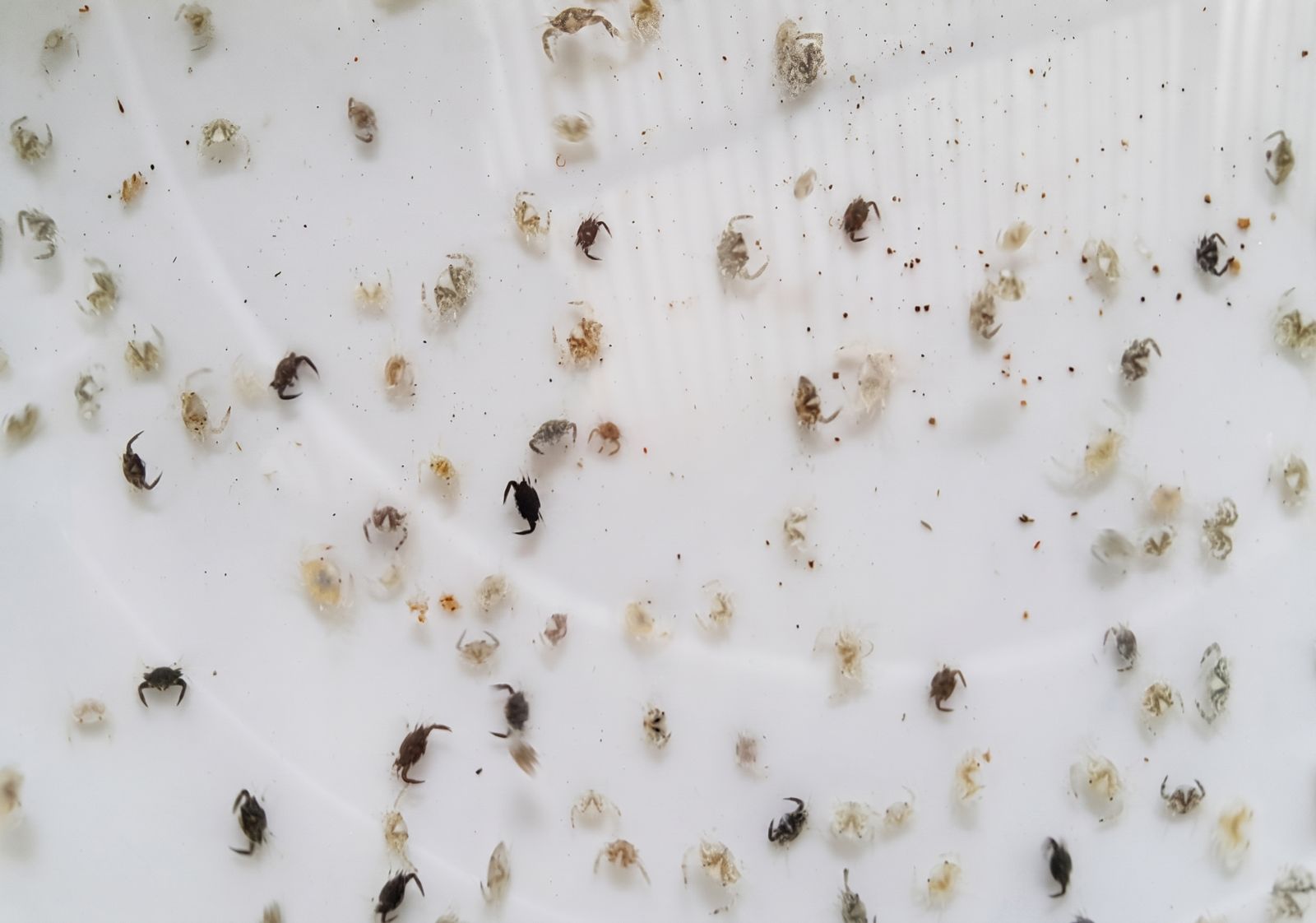
The study, titled “Color and Morphometric Markers for Gender Recognition of Blue Swimming Crab (Portunus pelagicus) Seeds,” investigated whether the natural color patterns of 10-day-old crab seeds—categorized as “dark,” “dark-spotted,” and “light”—could act as reliable markers for gender. Using advanced morphometric measurements, researchers discovered that these color groups weren’t just random variations; they were statistically distinct.
The results showed a clear trend. The “dark” colored seeds were predominantly male (63%), while the “light” and “dark-spotted” groups were largely female. By analyzing six specific character ratios of the crabs’ bodies—such as carapace length to width and various cheliped dimensions—the team achieved a classification accuracy of over 60%. While not 100% perfect, this discovery provides a powerful, non-invasive tool for farmers to manage their populations more effectively.
This scientific advancement is a significant step toward achieving SDG 4: Quality Education and SDG 17: Partnerships for the Goals. By translating complex research into practical, field-ready tools, this study empowers local farmers with the knowledge and technology to improve their aquaculture practices. When farmers are educated in advanced gender-selection techniques, they can optimize their resources, reduce waste, and increase economic efficiency. Furthermore, this research highlights the importance of collaborative partnerships between universities, research agencies, and local aquaculture centers to disseminate innovative solutions that support sustainable food production.
As we continue to refine these “color-coding” techniques, the potential for more efficient and sustainable crab farming grows. By embracing such innovations, we are not just improving the bottom line for farmers; we are paving the way for a smarter, more productive future in the global seafood industry, ensuring that our resources are managed with precision, care, and scientific rigor.
Article Metadata:
- Article Title: Color and Morphometric Markers for Gender Recognition of Blue Swimming Crab (Portunus pelagicus) Seeds
- Journal Name: International Journal of Agriculture and Biology
- Publisher: fspublishers
- Date of Publication: April 16, 2024