
Makassar, Indonesia, August 22, 2026 /Tropicrab/ – Crab aquaculture is a booming industry, providing a vital source of income and food security for coastal communities worldwide. However, this sector faces a constant battle against the “stressors” of intensive farming—ranging from high stocking densities to fluctuating water quality. These conditions often lead to oxidative stress, a silent enemy that weakens the crabs’ immune systems, disrupts their growth, and hinders their critical molting process. As we seek more sustainable ways to support these valuable crustaceans, a groundbreaking study offers a promising solution: nature’s own medicine cabinet.
A recent research paper titled “Screening of Herbal Extracts as Potential Phytobiotics for Crab Aquaculture: Phytochemical, Toxicity, and Antioxidant Evaluation,” published in the journal Aquacultura Indonesiana by the Masyarakat Akuakultur Indonesia (MAI) on May 25, 2026, provides a vital roadmap for using herbal extracts—or “phytobiotics”—to shield crabs from stress.
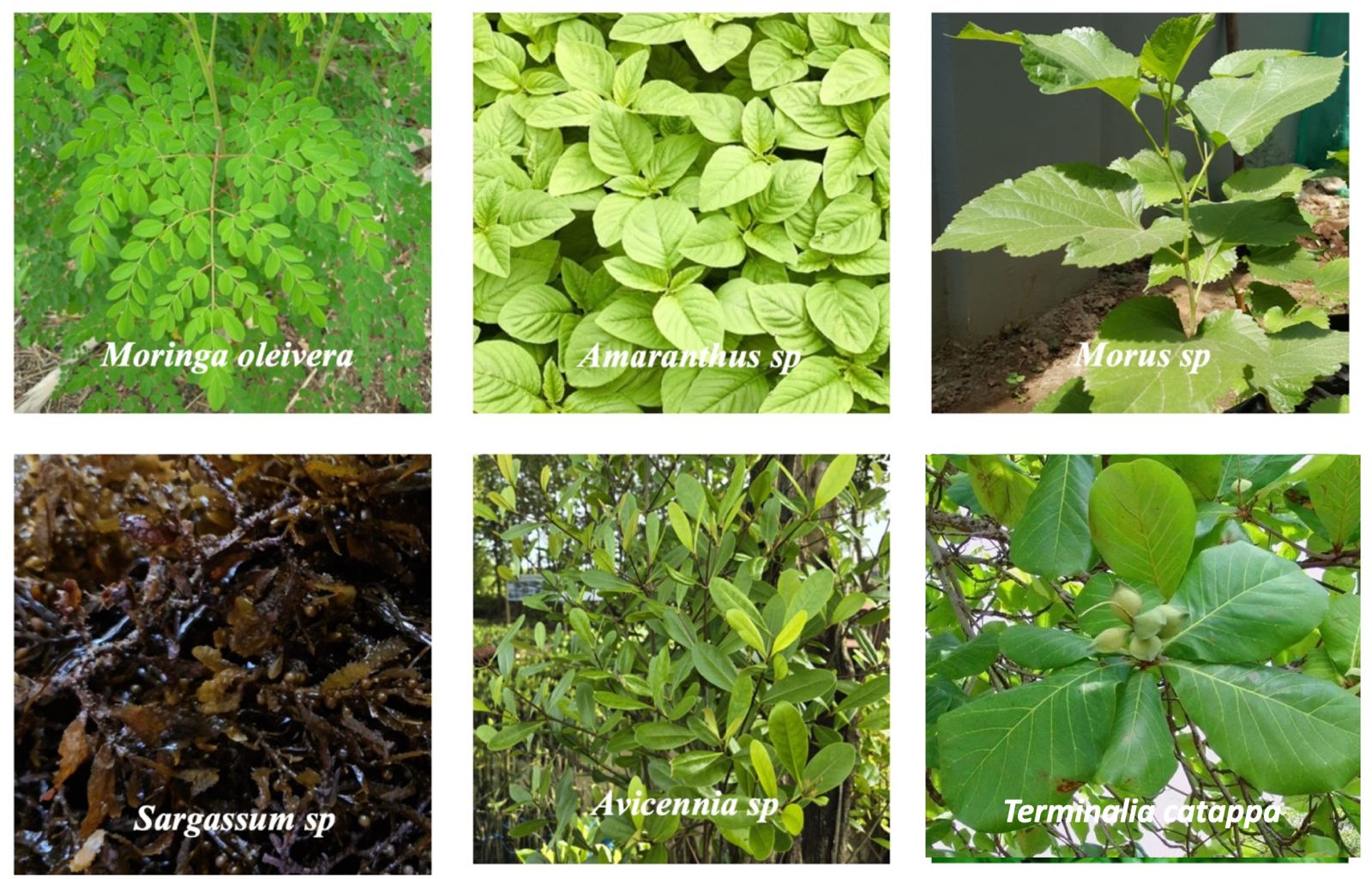
The research team conducted a systematic screening of six common herbal plants: Moringa oleifera, Amaranthus sp., Morus sp. (mulberry), Sargassum sp., Avicennia sp., and Apium graveolens. By evaluating their chemical makeup, antioxidant strength, and safety levels, the study aimed to find the most effective natural additives to boost crab resilience.
The results are a win for sustainable farming. Among the candidates, Moringa oleifera, Morus sp., and Avicennia sp. emerged as the “star” performers. These extracts were not only rich in powerful antioxidants—like flavonoids—that neutralize the harmful effects of stress, but they were also found to be safe at effective doses. Unlike synthetic chemicals, these plant-based phytobiotics offer a natural way to help crabs maintain their internal balance, supporting healthier molting and more robust growth.
This research aligns perfectly with SDG 14: Life Below Water, which calls for the sustainable management of marine resources. By integrating these safe, herbal additives into aquaculture, we can reduce our reliance on synthetic chemicals, minimize the risk of disease, and significantly improve the survival rates of farmed crabs. This transition toward “green” aquaculture practices ensures that our food production systems are not only more productive but also more resilient and environmentally responsible.
As we look toward the future, these findings offer a practical, science-based approach to fostering a more sustainable blue economy. By harnessing the antioxidant power of plants, we can create a healthier future for our crab populations—ensuring that the aquaculture industry continues to support the livelihoods of coastal communities while keeping our marine ecosystems thriving.
Metadata Source:
- Article Title: Screening of Herbal Extracts as Potential Phytobiotics for Crab Aquaculture: Phytochemical, Toxicity, and Antioxidant Evaluation
- Journal Name: Aquacultura Indonesiana
- Publisher: Masyarakat Akuakultur Indonesia (MAI)
- Date of Publication: May 25, 2026