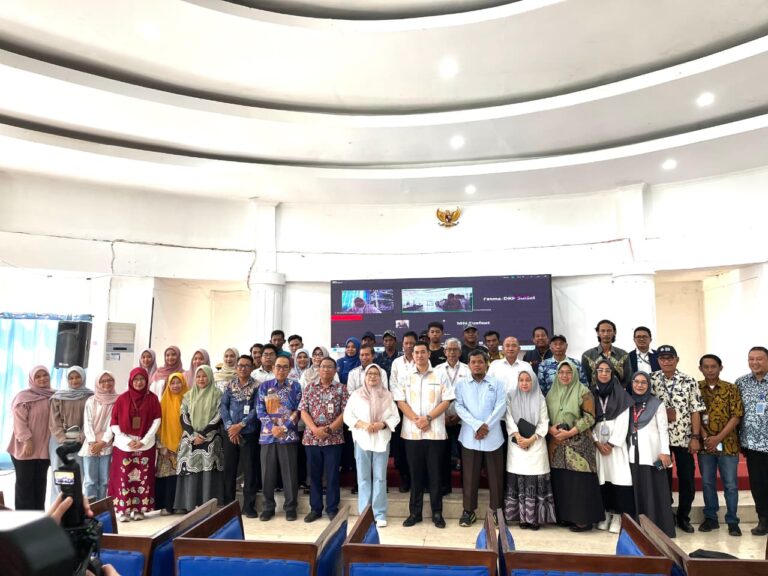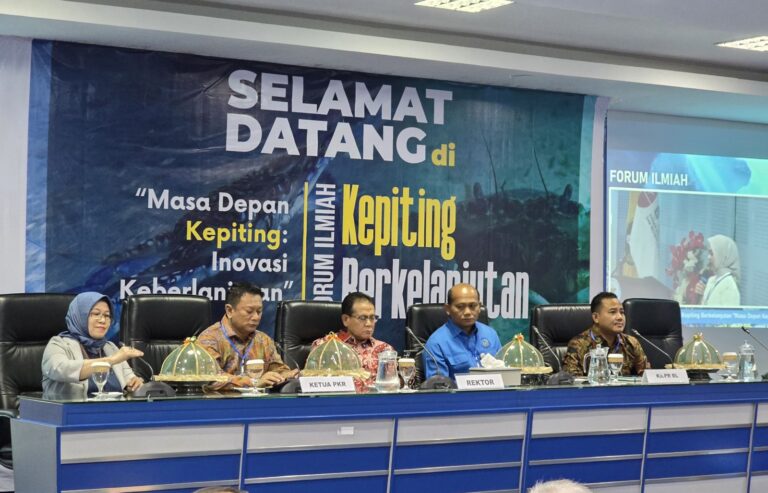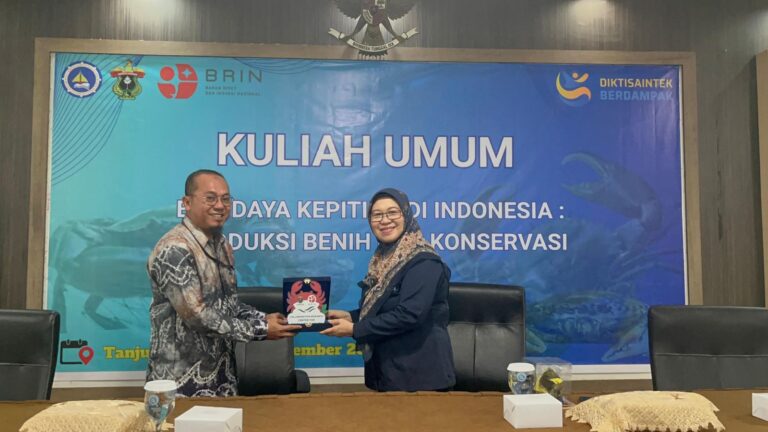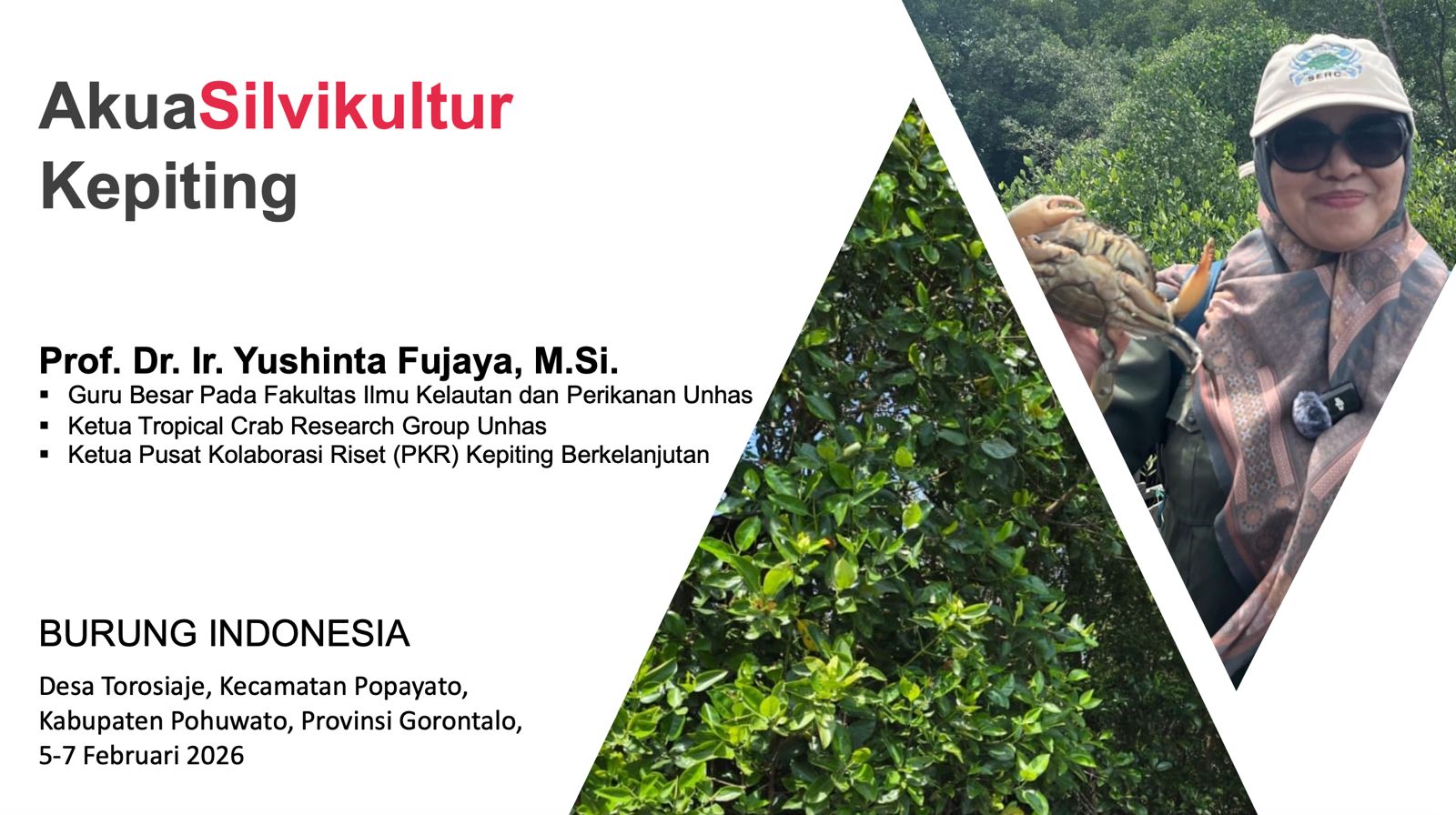

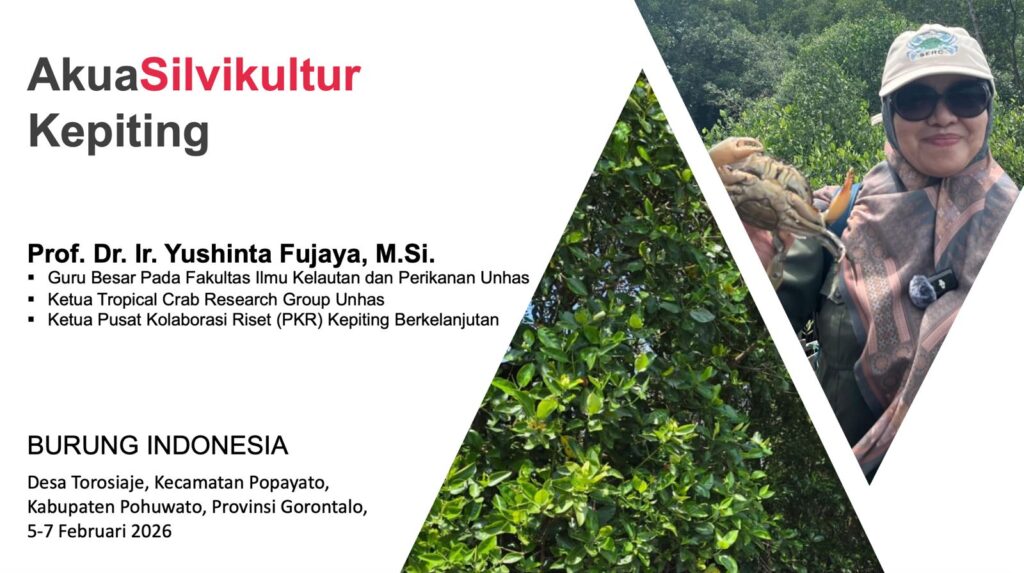
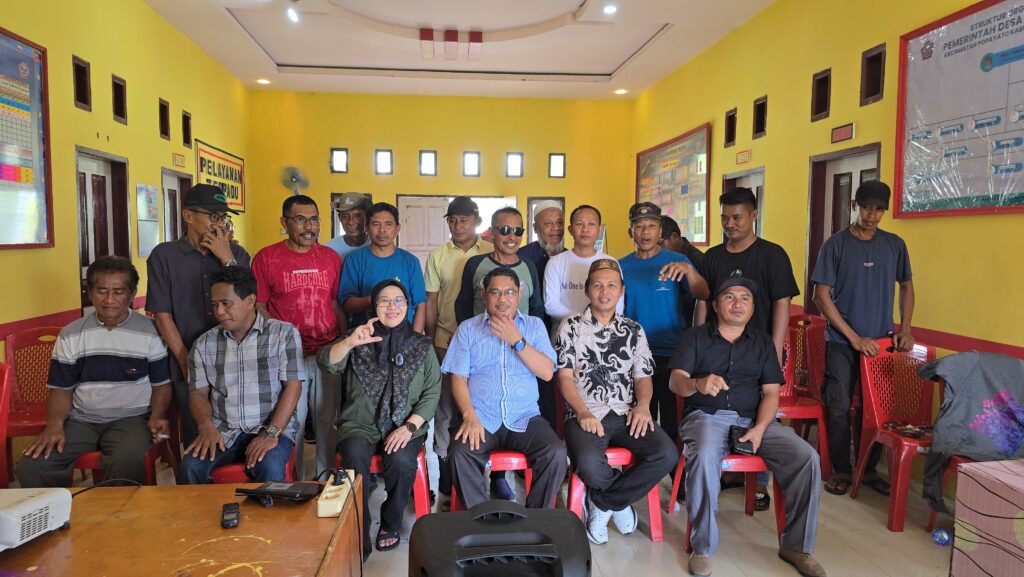
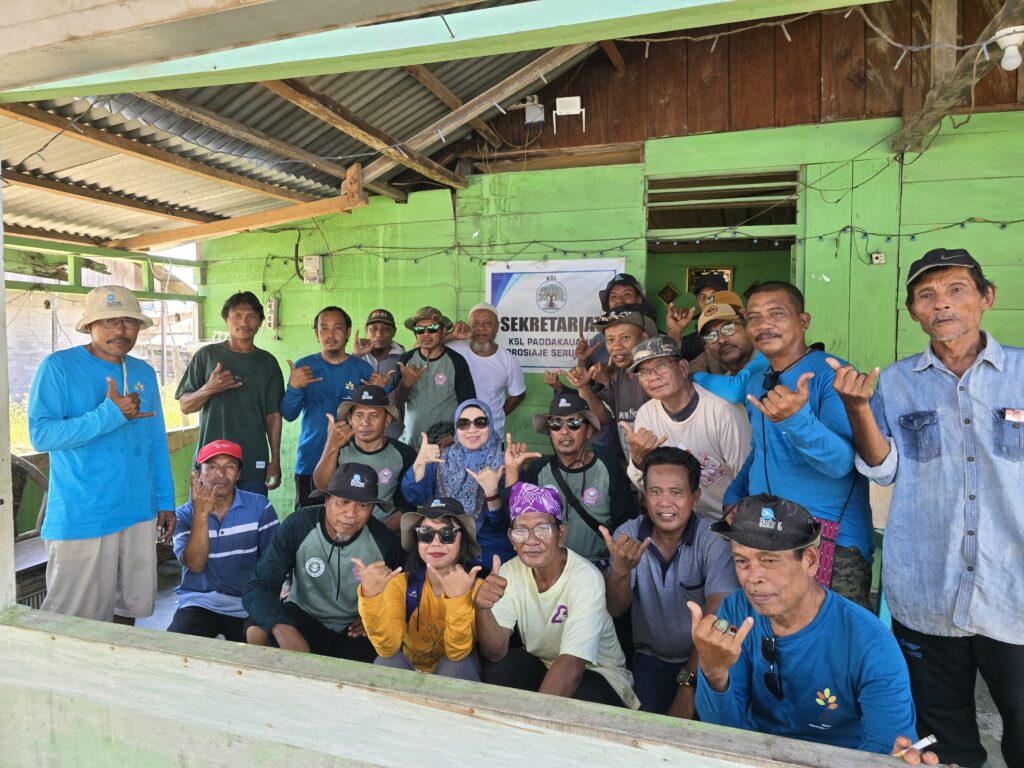
Torosiaje, February 7, 2026 – In a strategic effort to harmonize coastal environmental conservation with local community economic development, an intensive three-day Mud Crab Aquaculture Training was successfully conducted from February 5–7, 2026. Hosted in the unique marine stilt-village of Torosiaje, located in Popayato District, Pohuwato Regency, Gorontalo Province, the workshop gathered approximately 30 participants representing dedicated mangrove conservation teams from five coastal villages, namely Torosiaje, Torosiaje Jaya, Bumi Bahari, Padengo, and Dudewulo. Officially inaugurated by the Head of the Pohuwato Regency Fisheries Office, the training aimed to significantly enhance the overall competence, scientific understanding, and practical management skills of local conservation team members in sustainable mud crab aquaculture integrated directly with mangrove forest ecosystem protection.
The comprehensive capacity-building program was spearheaded under the guidance and mentorship of Burung Indonesia (Perhimpunan Pelestarian Burung Liar Indonesia), an established non-governmental organization committed to community-led mangrove ecosystem protection and sustainable resource utilization. A key highlight of the event featured expert instruction from Prof. Dr. Ir. Yushinta Fujaya, M.Si., Professor at the Faculty of Marine Science and Fisheries, Universitas Hasanuddin, and Head of the Center for Research Collaboration on Sustainable Crabs (PKR Kepiting Berkelanjutan). Delivering an insightful scientific presentation titled “Crab Aquasilviculture,” Prof. Yushinta introduced participants to eco-friendly mud crab farming principles. She demonstrated that aquasilviculture enables local fishers to cultivate high-value mud crabs within intact mangrove habitats without clearing native trees or destroying natural nursery grounds, thereby uniting forest conservation with reliable economic production.
This community-driven initiative explicitly advances several key Sustainable Development Goals (SDGs). By delivering specialized technical training, environmental literacy, and practical aquaculture mentorship to rural conservation leaders, the program directly embodies SDG 4: Quality Education, promoting accessible science-based knowledge and continuous skills improvement for coastal populations. Furthermore, the collaborative partnership linking Burung Indonesia, the Pohuwato Regency Fisheries Office, academic researchers, and local village conservation groups strongly exemplifies SDG 17: Partnerships for the Goals, illustrating how multi-stakeholder cooperation drives inclusive environmental stewardship and coastal climate resilience.
The strategic integration of crab farming with mangrove protection also contributes directly to SDG 14: Life Below Water and SDG 15: Life on Land. By adopting non-destructive aquasilviculture models, the initiative reduces overexploitation of wild crab stocks, preserves intertidal marine biodiversity, and protects vital carbon-sequestering mangrove forests. Ultimately, converting these conservation methods into viable commercial opportunities directly supports SDG 1: No Poverty. By diversifying household income streams for artisanal fishers and local conservationists, the program strengthens financial stability, mitigates rural poverty, and guarantees long-term socio-economic resilience for coastal communities across Pohuwato Regency. Through this training in Torosiaje, participants are now fully empowered as guardians of their mangrove heritage while building a resilient blue economy.