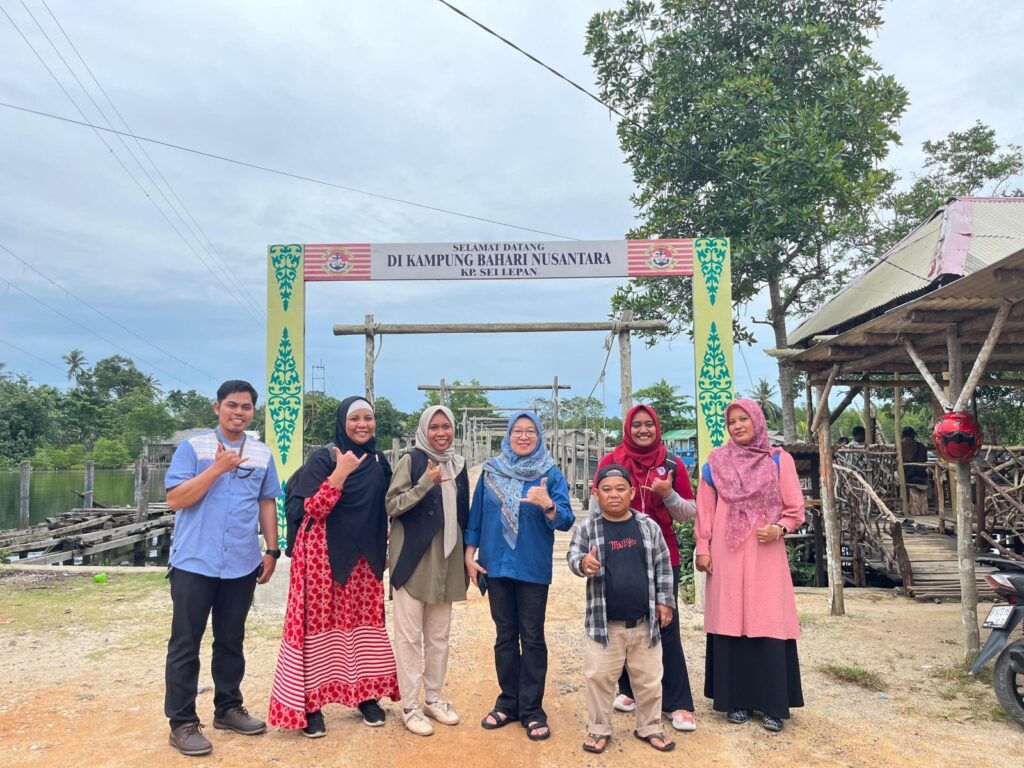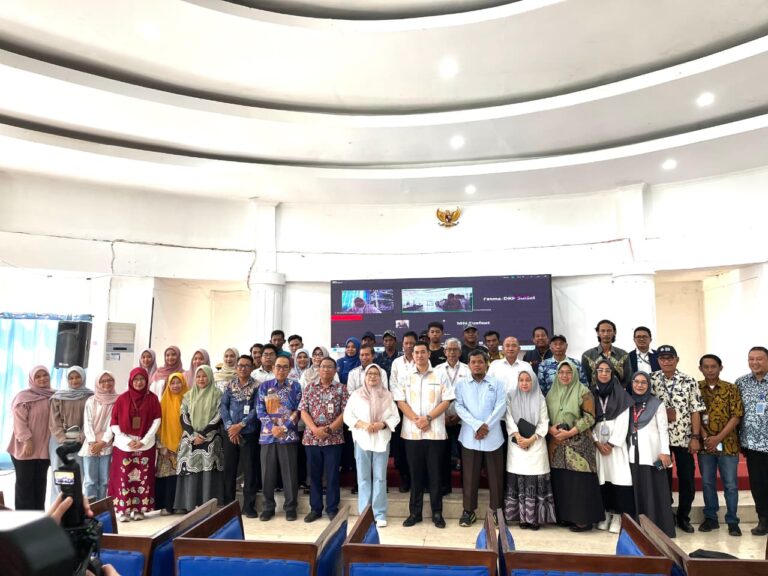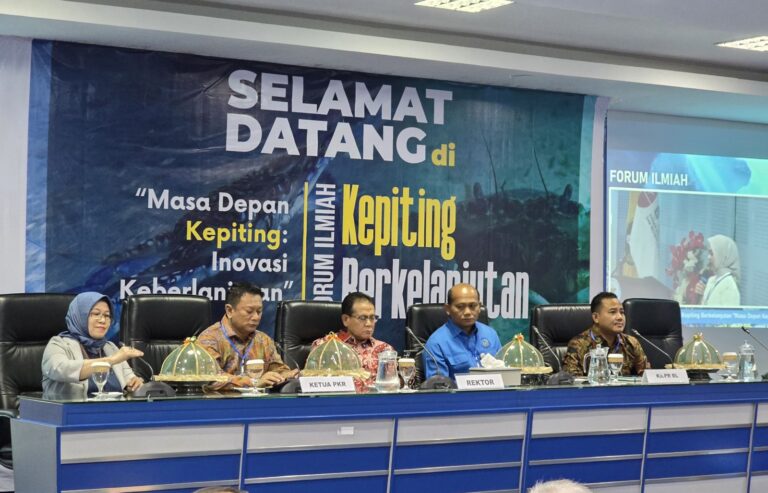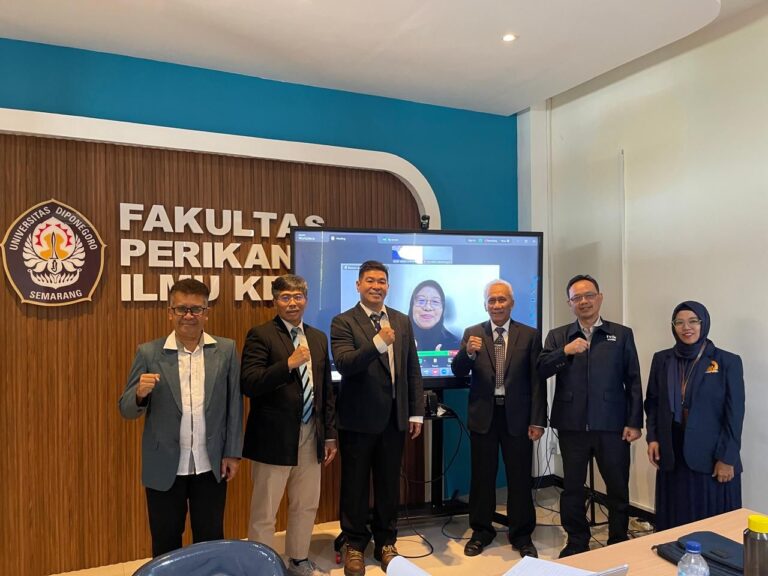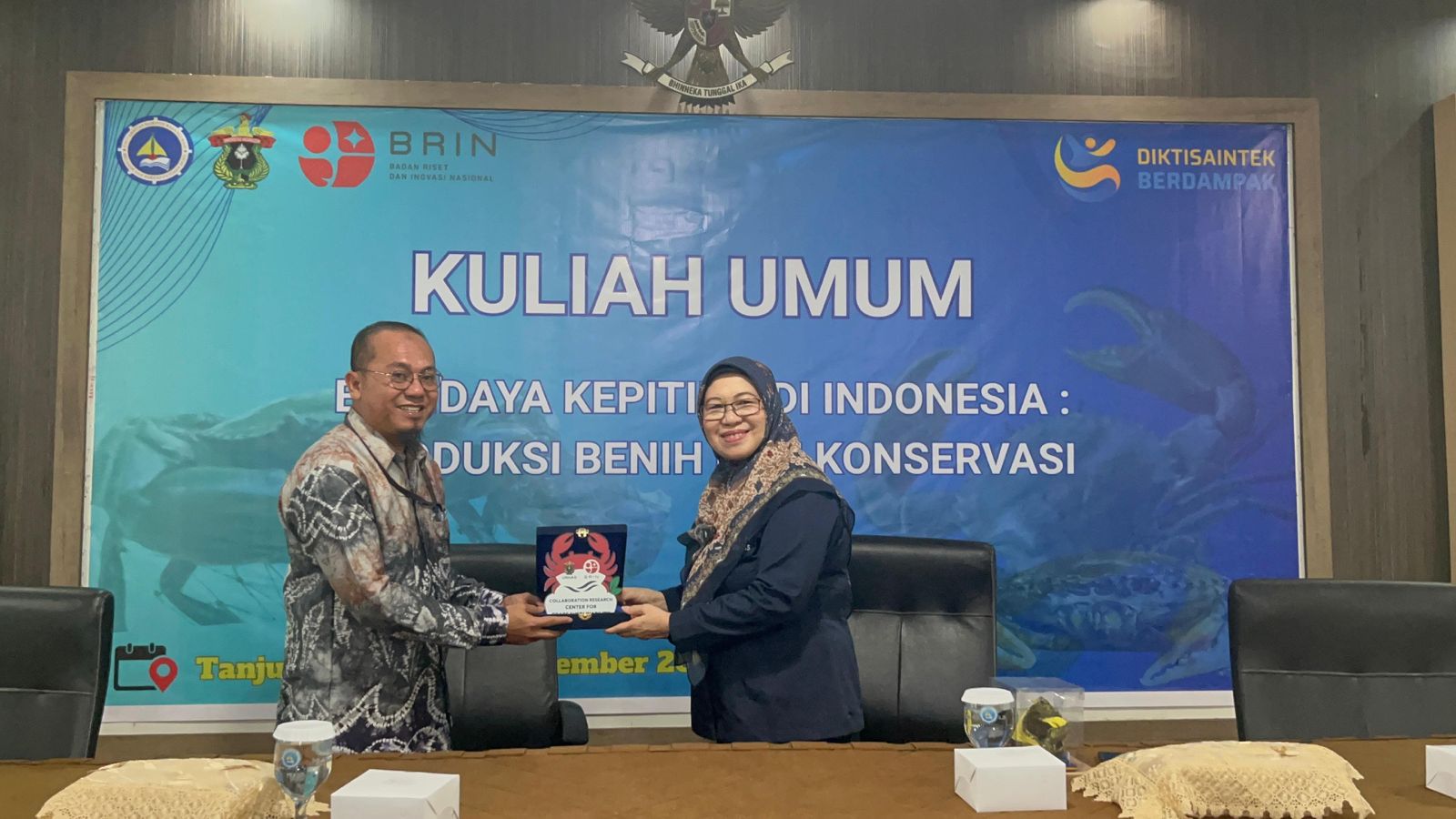

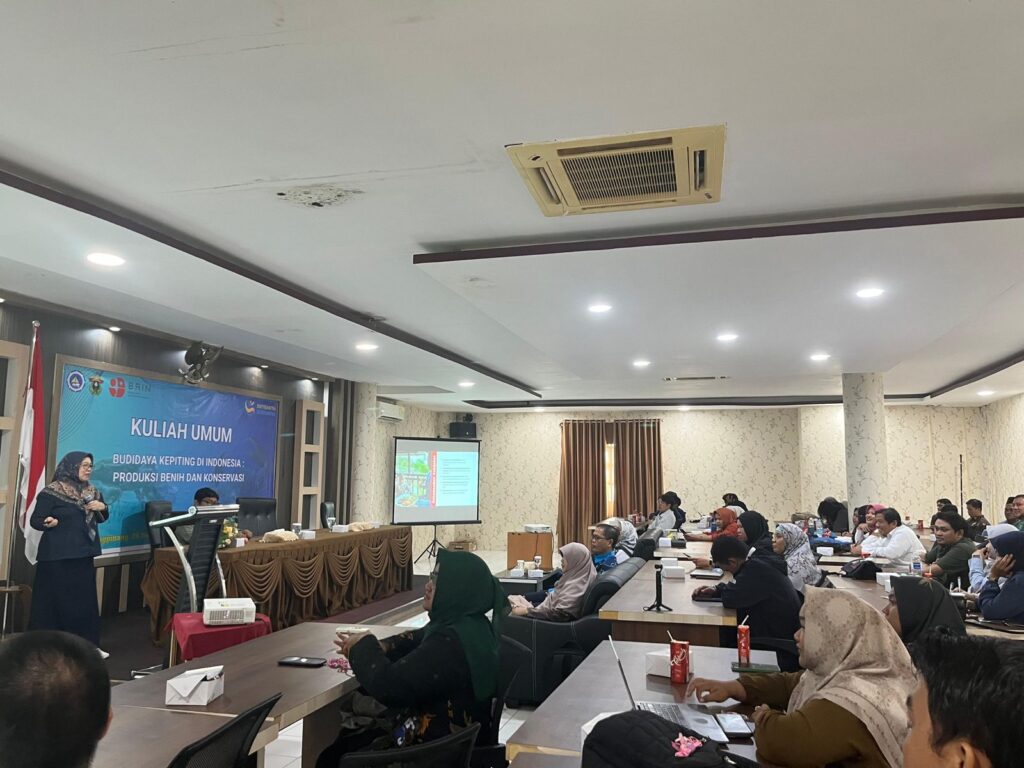
Tanjung Pinang, November 25, 2025 – In a strategic effort to foster marine stewardship, enhance environmental literacy, and accelerate sustainable aquaculture development, a public lecture on crab farming was held at Universitas Maritim Raja Ali Haji (UMRAH) in Tanjung Pinang, Riau Islands Province. The academic event brought together approximately 50 participants, comprising undergraduate students, academic researchers, and university lecturers from the Faculty of Fisheries and Marine Sciences, alongside local crab aquaculture practitioners and artisanal farmers operating across Tanjung Pinang. The primary objective of this public lecture was to conduct widespread socialization regarding the urgent necessity of sustainable crab aquaculture, effectively bridging scientific research with practical community application to ensure long-term marine resource preservation and eco-friendly coastal development.
The keynote address was delivered by Prof. Yushinta Fujaya, Head of the Center for Research Collaboration on Sustainable Crabs (Pusat Kolaborasi Riset Kepiting Berkelanjutan – PKR-KB). In her insightful lecture titled “Crab Farming in Indonesia: Seed Production and Conservation” (Budidaya Kepiting di Indonesia: Produksi Benih dan Konservasi), Prof. Yushinta underscored the crucial role that controlled hatchery seed production plays in supporting sustainable crab yields while preventing wild population depletion. She explained how over-reliance on wild-caught crablets severely disrupts estuarine and mangrove ecological balances. Transitioning toward hatchery-produced seeds and environmentally sound cultivation techniques, she argued, offers a viable, long-term solution to satisfy rising seafood market demands while safeguarding wild crustacean stocks across Indonesia’s archipelagic waters.
This educational event explicitly advances several key Sustainable Development Goals (SDGs). By providing accessible, high-caliber scientific knowledge and specialized academic mentorship to university students, faculty members, and local practitioners, the public lecture directly embodies SDG 4: Quality Education, strengthening local scientific capacity and promoting lifelong learning in marine fisheries management. Furthermore, the collaborative framework uniting Universitas Maritim Raja Ali Haji, the Center for Research Collaboration on Sustainable Crabs, academic researchers, and local farming communities strongly exemplifies SDG 17: Partnerships for the Goals, illustrating how academic-community synergies accelerate climate-smart blue economy strategies.
The strong emphasis on hatchery production and wild stock conservation directly aligns with SDG 14: Life Below Water, as eco-friendly aquaculture mitigates harvest pressures on fragile marine habitats, preserves aquatic biodiversity, and protects delicate estuarine ecosystems. Ultimately, integrating sustainable seed production and modern farming technology into local aquaculture operations directly addresses SDG 1: No Poverty. By stabilizing harvest volumes, establishing reliable supply chains, and mitigating financial risks for smallholder crab farmers in Tanjung Pinang, the program safeguards coastal livelihoods, elevates household incomes, and guarantees long-term economic security for fishing families throughout the Riau Islands. Through this public lecture, UMRAH and its research partners have reinforced their shared commitment to driving inclusive, science-backed, and ecologically responsible marine governance.