
MAKASSAR, Indonesia, February 24, 2026 /TREDIC/ – When we think about forests, towering trees, colorful birds, and lush green canopies usually come to mind. Yet one of the most important processes that keeps a forest alive happens quietly on the ground, hidden beneath layers of fallen leaves.
Every day, leaves fall from trees and slowly decompose on the forest floor. While this may seem like a simple natural process, it is actually one of the most important mechanisms that keeps ecosystems functioning. As leaves break down, they return essential nutrients such as carbon and nitrogen to the soil, supporting new plant growth and sustaining countless organisms. But not all leaves decompose at the same rate, and not all forests recycle nutrients equally.
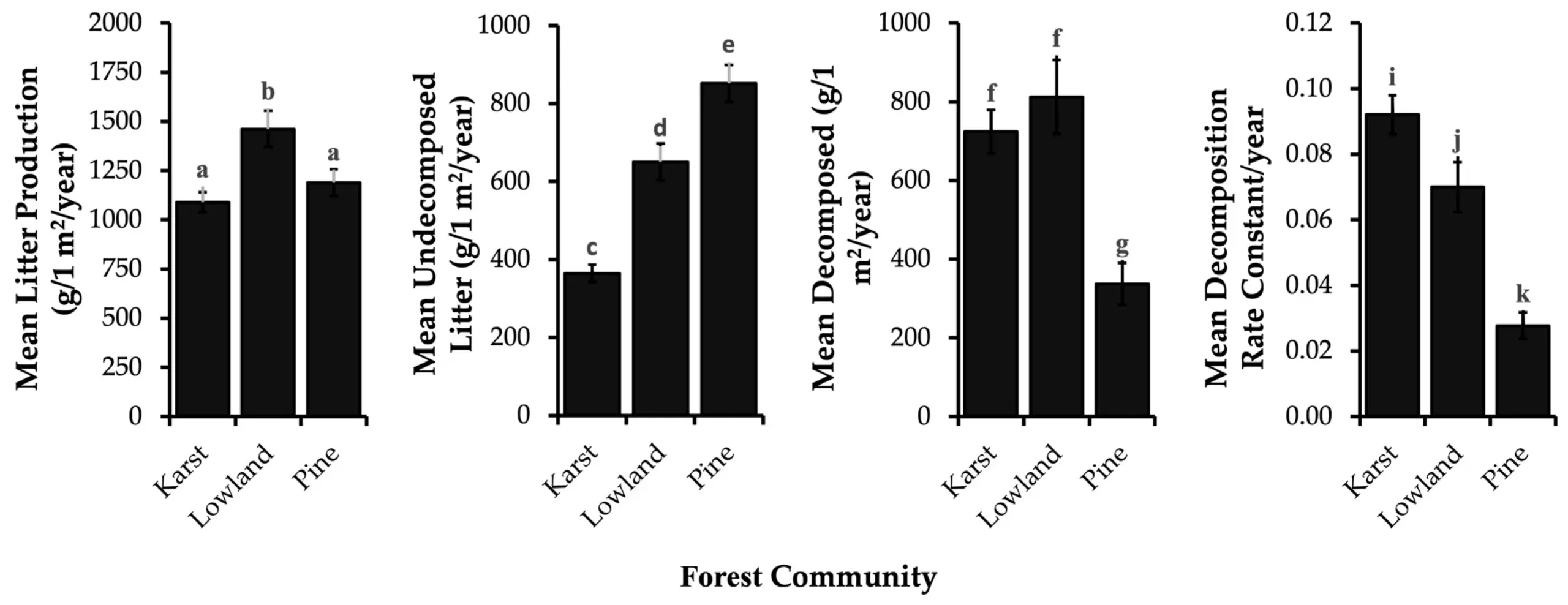
A recent study, “Leaf Litter Quality and Decomposer Communities Determine Decomposition Rates across Tropical Forest Types”, reveals that the speed of leaf decomposition depends on two major factors: the chemical composition of the leaves themselves and the diversity of organisms responsible for breaking them down.
The researchers compared three tropical forest ecosystems: pine forest, karst forest, and lowland tropical forest. They discovered that leaf litter rich in nutrients and lower in resistant compounds decomposes much faster than tougher leaves with higher lignin and cellulose content. Just as important, forests with more diverse decomposer communities, including bacteria, fungi, insects, and other soil organisms, were significantly more efficient at recycling organic matter.
This finding highlights that decomposition is not simply about leaves decaying over time. It is the result of complex interactions between plants and countless microscopic and macroscopic organisms working together beneath the forest floor. These hidden decomposers act as nature’s recycling workforce, transforming dead plant material into nutrients that sustain future forest growth.
The study also shows that different forest types support different decomposer communities. In healthy tropical forests, greater biological diversity contributes to faster nutrient cycling and stronger ecosystem resilience. In contrast, ecosystems with lower decomposer diversity may experience slower decomposition, reducing nutrient availability and affecting overall forest productivity. These findings demonstrate that conserving biodiversity means protecting not only the plants and animals we can easily see but also the invisible organisms that keep ecosystems functioning.
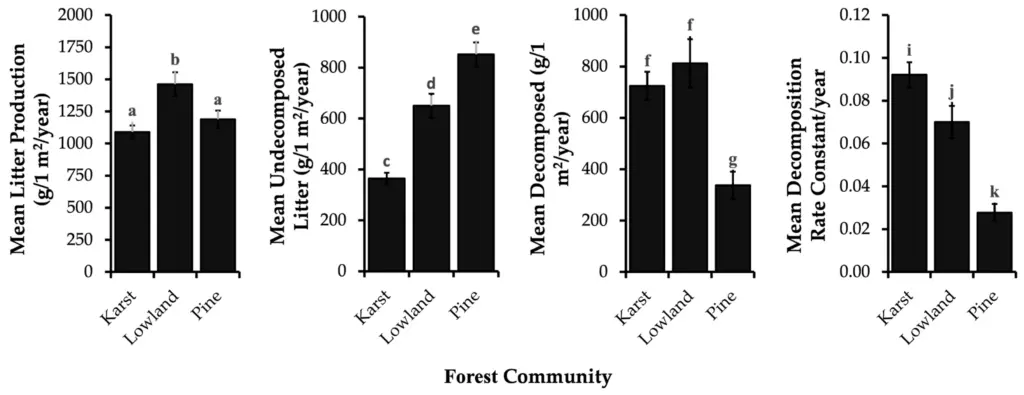
The implications extend far beyond academic research. As forests face increasing pressure from land-use change, habitat degradation, and climate change, maintaining healthy decomposition processes becomes essential for sustaining ecosystem services. Forest restoration efforts should therefore focus not only on planting trees but also on preserving soil biodiversity and ecological interactions that allow forests to regenerate naturally.
This research directly supports several Sustainable Development Goals (SDGs). SDG 15: Life on Land emphasizes protecting terrestrial ecosystems and conserving biodiversity, including the soil organisms that drive nutrient cycling. SDG 13: Climate Action recognizes the role of healthy forests in carbon storage and climate regulation, processes closely linked to decomposition. Meanwhile, SDG 12: Responsible Consumption and Production encourages sustainable management of natural resources by maintaining ecosystem functions that support long-term forest productivity.
Ultimately, the study reminds us that forests thrive because of countless unseen workers beneath our feet. Every fallen leaf begins a new cycle of life, proving that what appears to be the end of a leaf’s journey is actually the beginning of the next generation of a healthy forest.
Reference :
DOI: 10.3390/f16111678
Contact:
Putu Supadma Putra
supadmaputrap@unhas.ac.id