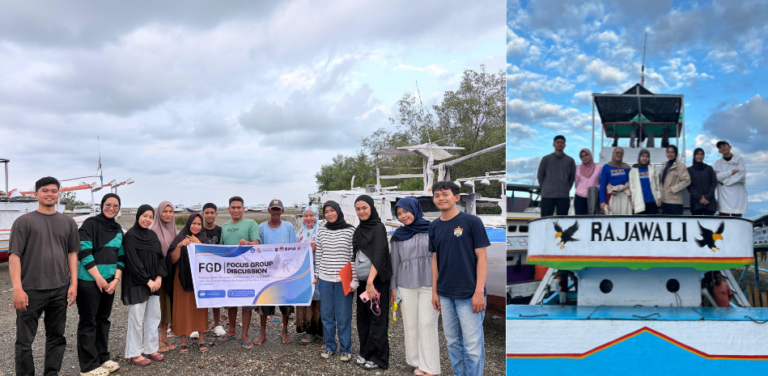
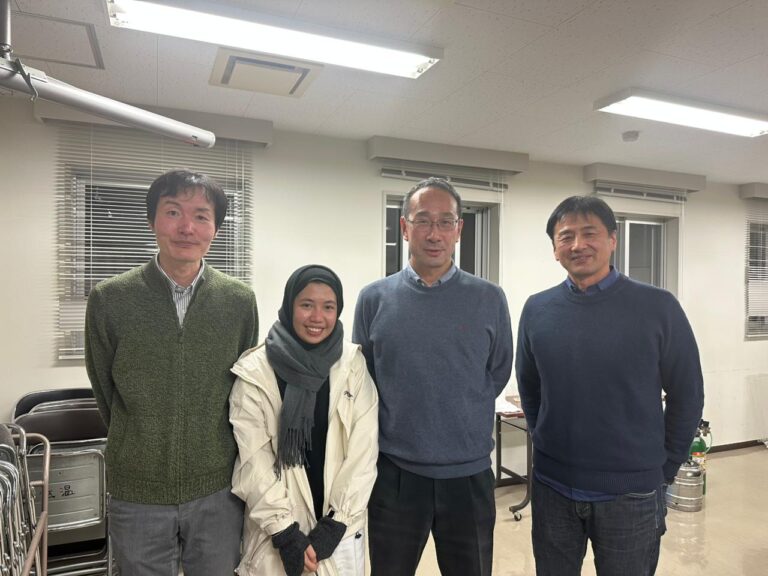
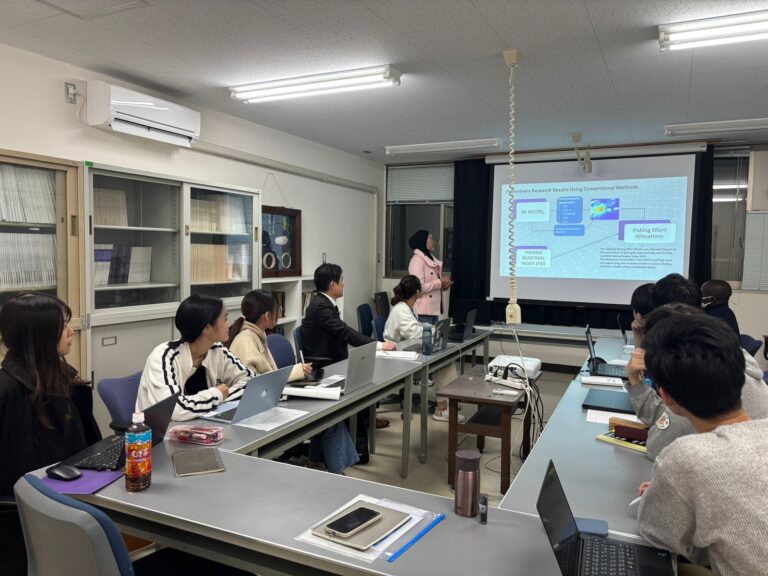
On 28 November 2025, Professor Mukti Zainuddin, the principal supervisor of Siti Khadijah Srioktoviana (Doctoral student), participated in the Penguatan Kerjasama Promotor Program (PKP) at the Tokyo University of Marine Science and Technology (TUMSAT), Japan. This program was conducted as part of ongoing efforts to strengthen academic and research collaboration between Hasanuddin University and TUMSAT, while also providing an opportunity to monitor the progress of PMDSU students undertaking academic and research activities abroad. During the visit, Professor Mukti engaged in joint discussions and supervisory meetings with Professor Toshihide Kitakado to align research objectives, refine methodological approaches, and ensure that the ongoing research meets high scientific standards and addresses contemporary fisheries management challenges.
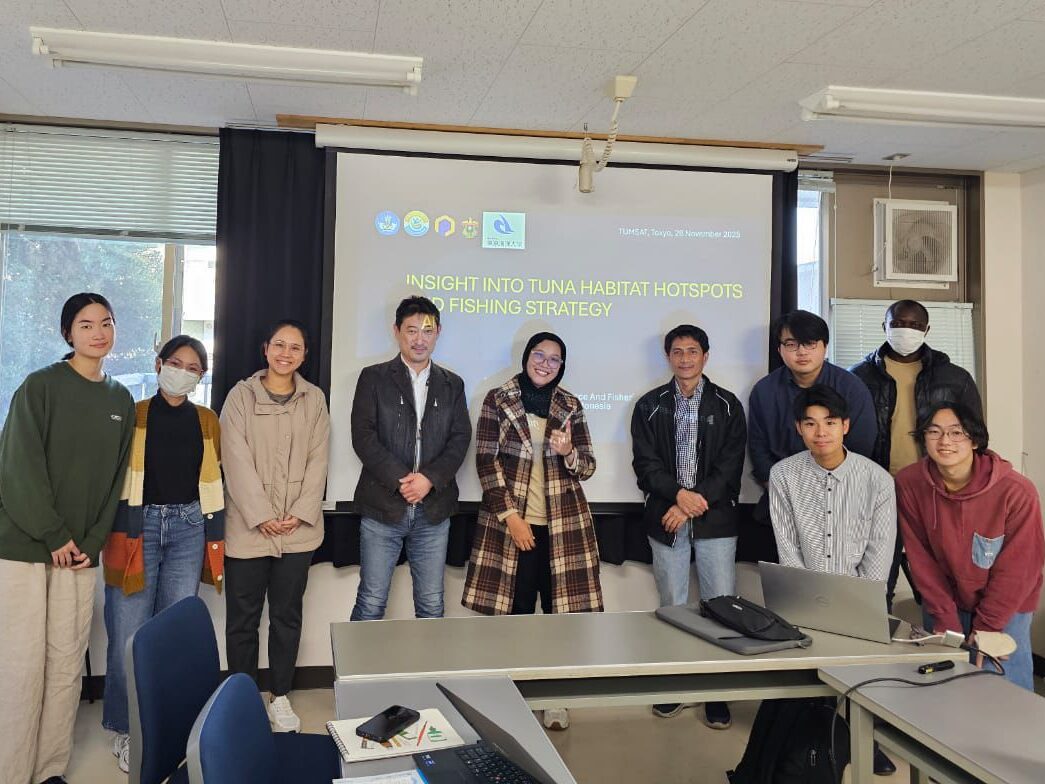
As part of the program, Professor Mukti delivered a scientific presentation entitled “Insight into Tuna Habitat Hotspots and Fishing Strategy in Indonesia” to members of the TUMSAT laboratory, including undergraduate, master’s, and doctoral students, as well as researchers from diverse academic backgrounds. The presentation highlighted recent advances in understanding tuna habitat hotspots in Indonesian waters, the influence of oceanographic factors on tuna distribution and aggregation patterns, and the fishing strategies employed across different Indonesian fisheries. Furthermore, the presentation demonstrated how environmental data and advanced modeling approaches can be utilized to identify potential fishing grounds and support more effective and sustainable fisheries management practices. The event was conducted in a dynamic and interactive academic atmosphere. Participants actively contributed questions, comments, and scientific perspectives regarding research methodologies, interpretation of results, and future opportunities for international collaboration. The discussion not only enriched the scientific content of the ongoing research but also strengthened academic networks between Indonesian and Japanese researchers. Through the PKP program, both institutions reaffirmed their commitment to advancing scientific knowledge, fostering international cooperation, and contributing to sustainable fisheries management, particularly in the fields of fisheries ecology, tuna habitat research, and marine resource conservation.