
Surveying the Presence of Subterranean Termites in a Reclaimed Mining Area: Supporting Sustainable Land Restoration through Scientific Investigation
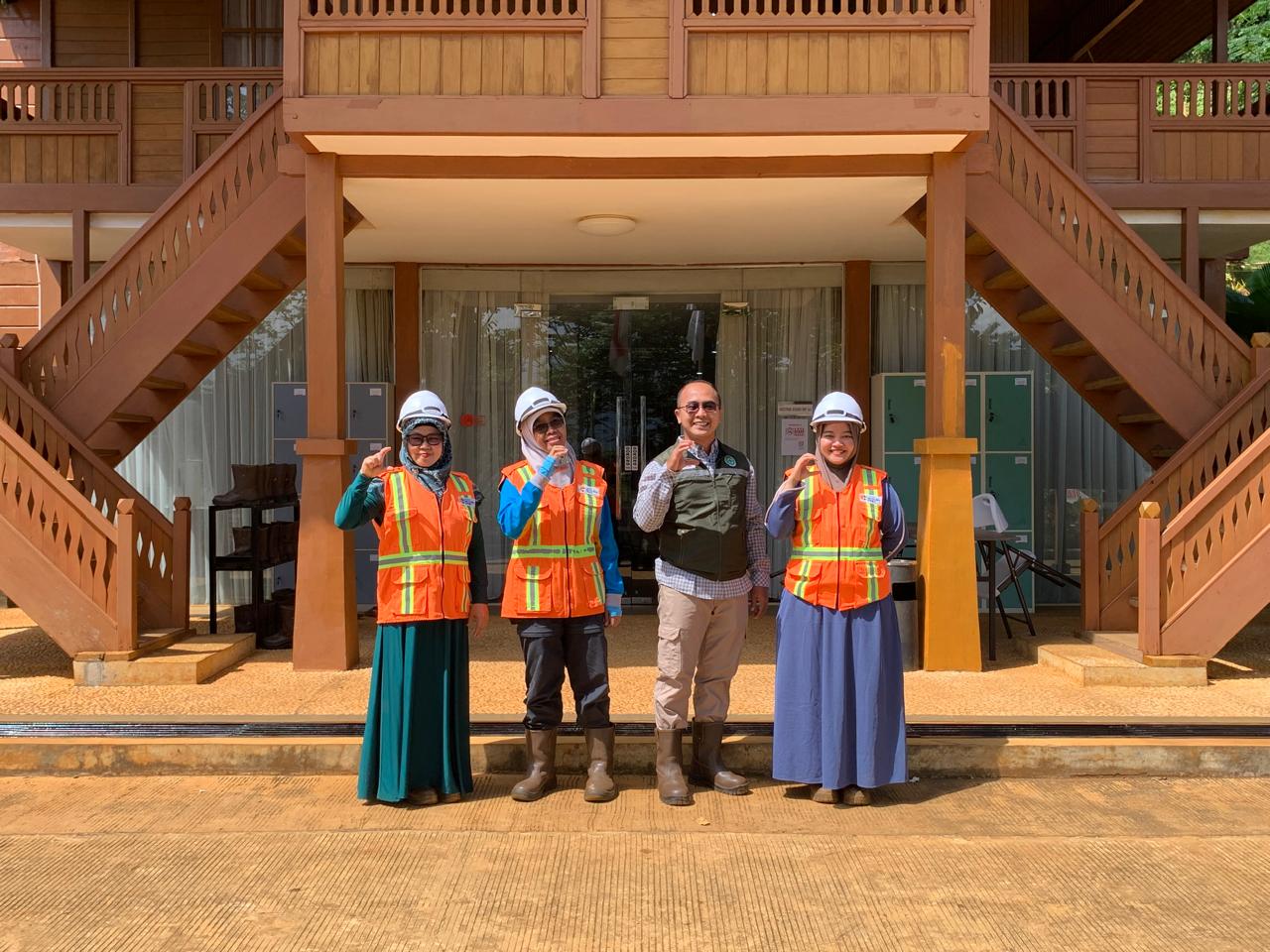
MAKASSAR, Indonesia July 8 2026 /TERMITE/- Successful mine reclamation is not only measured by the growth of vegetation but also by the recovery of ecological functions and biodiversity. One of the most valuable biological indicators of ecosystem recovery is the presence of termites, particularly subterranean termites, which play an essential role in nutrient cycling, organic matter decomposition, and soil formation. Recognizing their ecological importance, a field survey entitled “Identification of the Presence of Subterranean Termites in a Reclaimed Mining Area” was conducted to evaluate termite occurrence within the reclaimed mining landscape of PT. Ceria Nugraha Indotama (PT. CNI), Kolaka.
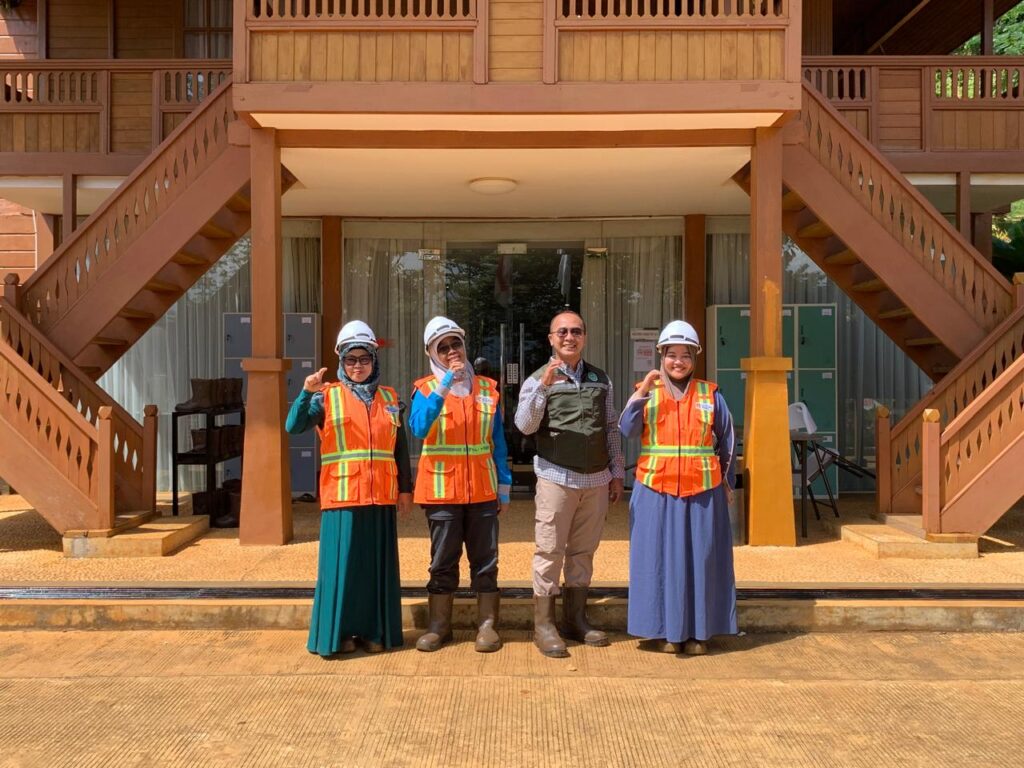
Activity Title: Identification of the Presence of Subterranean Termites in a Reclaimed Mining Area
Objective: To identify the presence of subterranean termites within the reclaimed mining area.
Location: PT. CNI, Kolaka, Indonesia
Implementation Date: 20–25 June 2026
Number of Participants: 4 participants
The survey involved systematic observations and termite sampling across selected reclamation plots representing different stages of vegetation recovery. During the field activities, researchers carefully inspected the soil surface, decaying wood, fallen logs, leaf litter, and other potential termite habitats. The collected specimens will be further identified using taxonomic characteristics to determine the diversity and distribution of subterranean termite species inhabiting the reclaimed landscape.
The presence of termites in reclaimed mining areas provides valuable ecological information because these insects are recognized as ecosystem engineers. Their tunneling activities improve soil aeration, increase water infiltration, and facilitate the decomposition of plant residues, thereby enhancing nutrient availability for vegetation. Consequently, identifying termite occurrence contributes to assessing the progress of ecological restoration and supports evidence-based reclamation management.
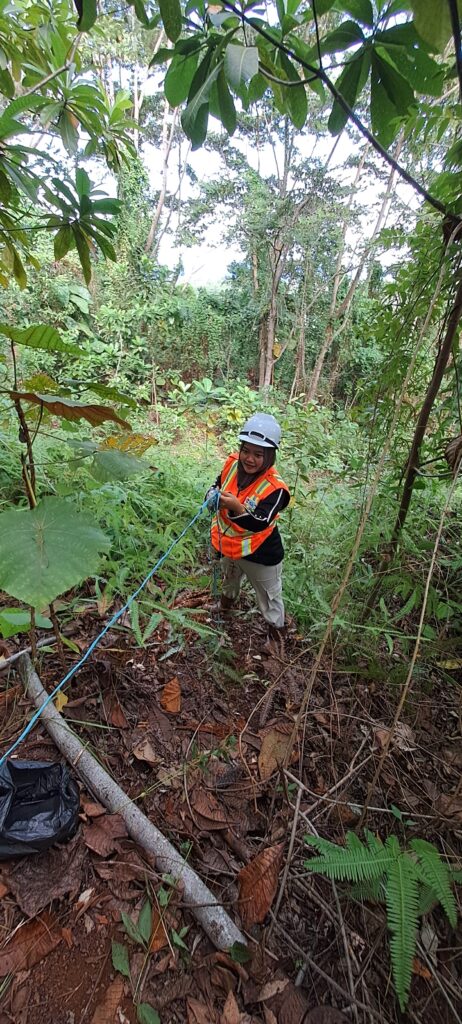
Beyond generating scientific data, this activity also reflects the importance of collaboration between academic researchers and the mining industry in promoting sustainable environmental management. Such partnerships encourage the exchange of knowledge, strengthen research capacity, and provide practical information that can improve future reclamation strategies. The survey demonstrates how biodiversity assessments can become an integral component of responsible mining practices and long-term ecosystem restoration.
This activity directly contributes to several United Nations Sustainable Development Goals (SDGs). It supports SDG 15: Life on Land by promoting biodiversity conservation and monitoring ecological recovery in terrestrial ecosystems. The implementation of scientific field research also advances SDG 4: Quality Education, as it strengthens scientific knowledge, field-based learning, and research capacity in environmental sciences. Furthermore, the collaboration between researchers and PT. CNI represents SDG 17: Partnerships for the Goals, emphasizing the importance of cross-sector partnerships in addressing environmental challenges and achieving sustainable development. In the long term, successful ecological restoration contributes to healthier ecosystems that sustain natural resources and improve environmental resilience, indirectly supporting SDG 1: No Poverty by safeguarding ecosystem services that underpin sustainable livelihoods.
Through continuous biodiversity monitoring, reclaimed mining areas can evolve beyond restored landscapes into functioning ecosystems that support a wide range of organisms. The identification of subterranean termites therefore represents not only a scientific investigation but also a meaningful contribution toward sustainable land restoration, environmental stewardship, and the achievement of global sustainable development goals.