


Makassar, Indonesia April 21 2016/Termite/–Termites are often seen as tiny, silent destroyers—but what if they are also indicators of environmental change? A scientific study titled “Hazard Mapping of Subterranean Termite Attacks in Makassar City, South Sulawesi, Indonesia” reveals a deeper story about how these insects interact with our surroundings and why understanding them matters for our daily lives.
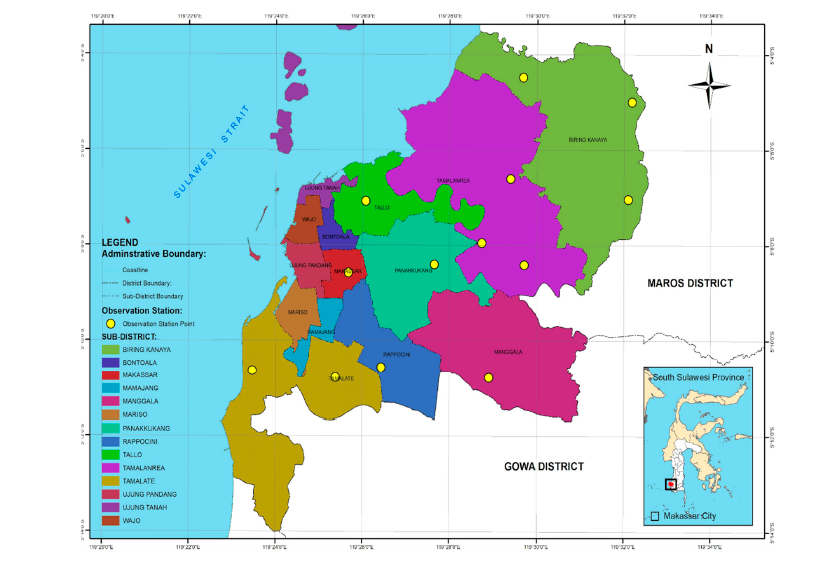
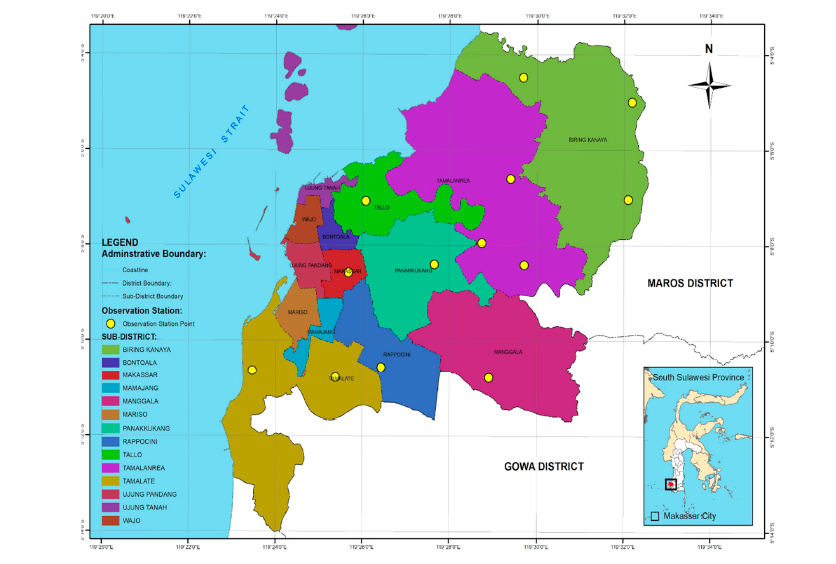
The research, published in the journal Insects by MDPI on December 31, 2019, explored how termite attacks are distributed across Makassar City. Using simple wooden samples placed in 13 locations, researchers observed termite activity over six months. The results were eye-opening: three main termite species were identified—Schedorhinotermes sp., Coptotermes gestroi, and Microcerotermes serrula. Among them, Coptotermes gestroi caused the most severe damage, destroying more than 75% of wood samples in some cases .
But termites are not just pests. Scientifically, they play an important role in ecosystems. They help break down organic matter, improve soil fertility, and support nutrient cycles. However, in urban environments like Makassar, their role shifts from beneficial organisms to serious threats—especially when they attack houses and buildings. This dual role makes termites both “friends” and “foes” of the environment.
The study also found that environmental factors such as soil type, temperature, humidity, and organic content strongly influence termite activity . Areas with certain soil characteristics and stable moisture conditions were more prone to termite attacks. This means that termite presence is not random—it is closely linked to environmental conditions and urban development patterns.
From a broader perspective, this research connects strongly to global sustainability efforts, particularly SDG 4: Quality Education and SDG 15: Life on Land, while also supporting SDG 1: No Poverty and SDG 17: Partnerships for the Goals.
Under SDG 4, this study provides valuable knowledge that can educate communities about termite risks and prevention strategies. Public understanding is key—many people do not consider termite protection when building homes, which increases long-term damage and costs.
In relation to SDG 15, the research highlights the importance of balancing ecosystem functions with human needs. Termites are part of natural systems, and understanding their behavior helps us manage land sustainably without disrupting ecological balance.
Meanwhile, SDG 1 is addressed through the economic lens. Termite damage can lead to significant financial losses, especially for low-income households. Preventive knowledge can reduce repair costs and protect livelihoods.
Finally, SDG 17 emphasizes collaboration. This research demonstrates the importance of partnerships between scientists, local communities, and policymakers to translate scientific findings into practical solutions.
In conclusion, termites are more than just household pests—they are part of a larger environmental story. By understanding where and why termite attacks occur, communities can take smarter, preventive actions. Science, when communicated clearly and applied effectively, becomes a powerful tool to protect homes, improve livelihoods, and support sustainable development.
Reference:
doi:10.3390/insects11010031
Contact person
Prof. Astuti
+62 811-442-171
astutiarif73@gmail.com


