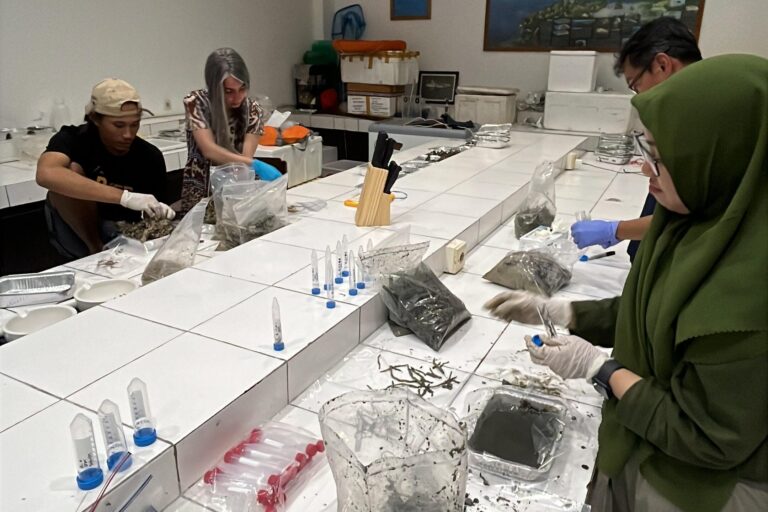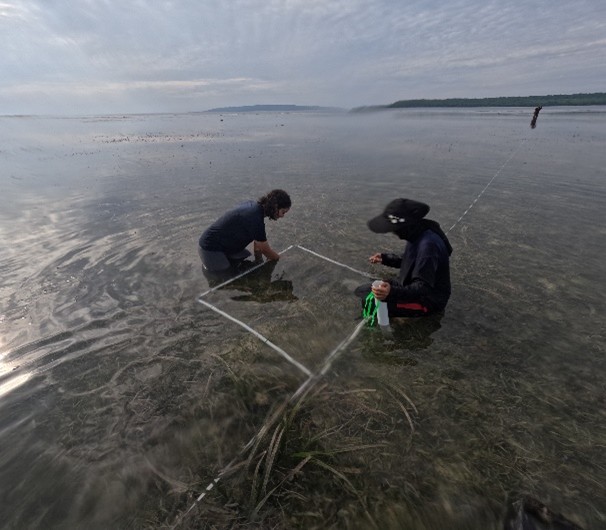

Imagine a forest that breathes underwater, feeds marine life, and protects coastal towns from fierce storms. These are seagrass meadows. They are hidden powerhouses of our oceans. However, these vital ecosystems are rapidly disappearing. To fight this crisis, a new collaborative project supported by USAID and PEER Science is stepping in. Scientists and local communities are joining forces to build a comprehensive restoration manual for Indonesia and the Coral Triangle. This strategy directly advances Sustainable Development Goal 14: Life Below Water, which aims to conserve and sustainably use our oceans.
Seagrasses are often confused with seaweed. Unlike seaweed, seagrasses are true flowering plants with roots. They form vast underwater fields that provide safety and food for thousands of marine species. Endangered sea turtles, dugongs, and commercially important fish all rely on these habitats. Beyond supporting marine life, seagrass meadows are incredible climate champions. They can trap and store carbon dioxide up to 35 times faster than tropical rainforests. This makes them a powerful tool for reducing global greenhouse gases.
Despite their immense value, these underwater meadows face severe threats. Coastal development, water pollution, and rising ocean temperatures are destroying them at an alarming rate. When seagrass dies, the stored carbon escapes back into the atmosphere. This accelerates climate change and hurts the coastal communities that depend on healthy oceans for food and income.
To halt this environmental decline, the new initiative brings together an international team. The partnership includes the Indonesian Seagrass Mapping Partnership, Universitas Hasanuddin, the National Research and Innovation Agency, and The University of Queensland. Instead of keeping their findings hidden away in academic libraries, these experts are writing a practical, step-by-step guidebook. This manual translates complex marine science into simple, hands-on instructions that anyone can use to restore damaged meadows.
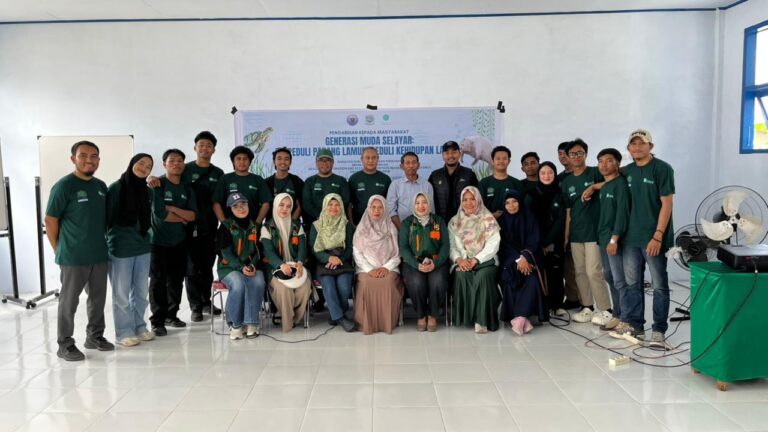
The true strength of this project lies in its community focus. Local fishers and coastal residents are being trained as the primary guardians of their waters. By combining traditional local knowledge with modern scientific research, the project ensures that restoration efforts are effective and long-lasting. When local communities actively manage their marine environments, they secure their own economic futures and protect regional biodiversity.
Protecting our oceans cannot be achieved by scientists or governments working in isolation. It requires teamwork at every level. This initiative serves as a hopeful, practical blueprint for modern environmental conservation. By giving local citizens the tools and knowledge to repair their coastal environments, we can safeguard our shared oceans. Saving seagrass means saving our fisheries, protecting our coastlines, and securing a healthier planet for future generations.