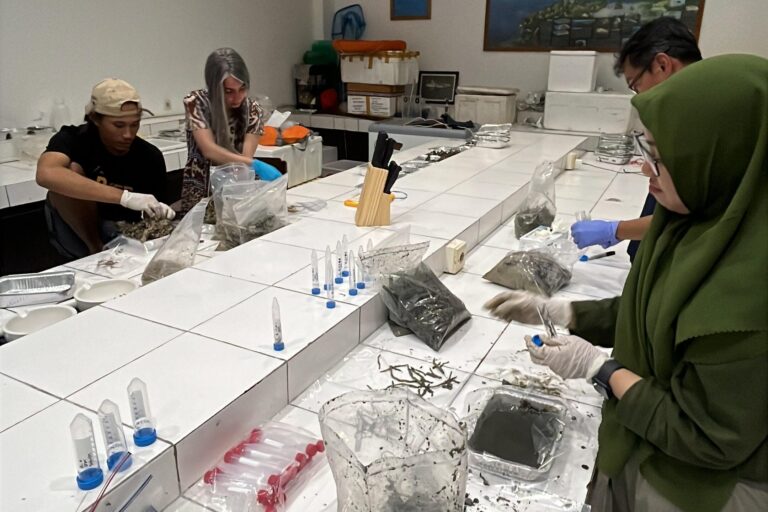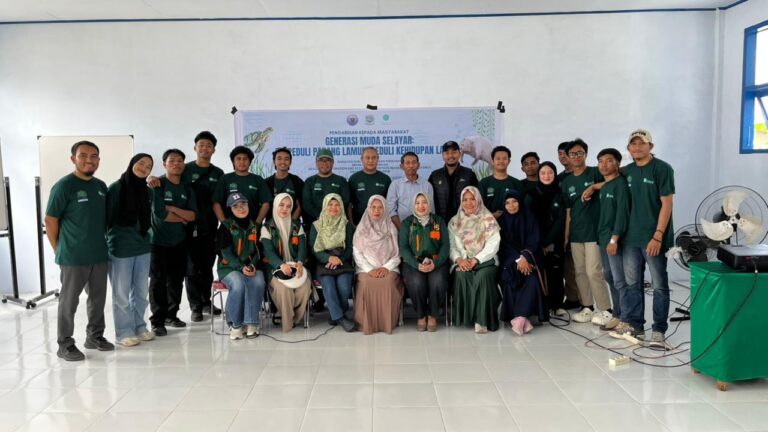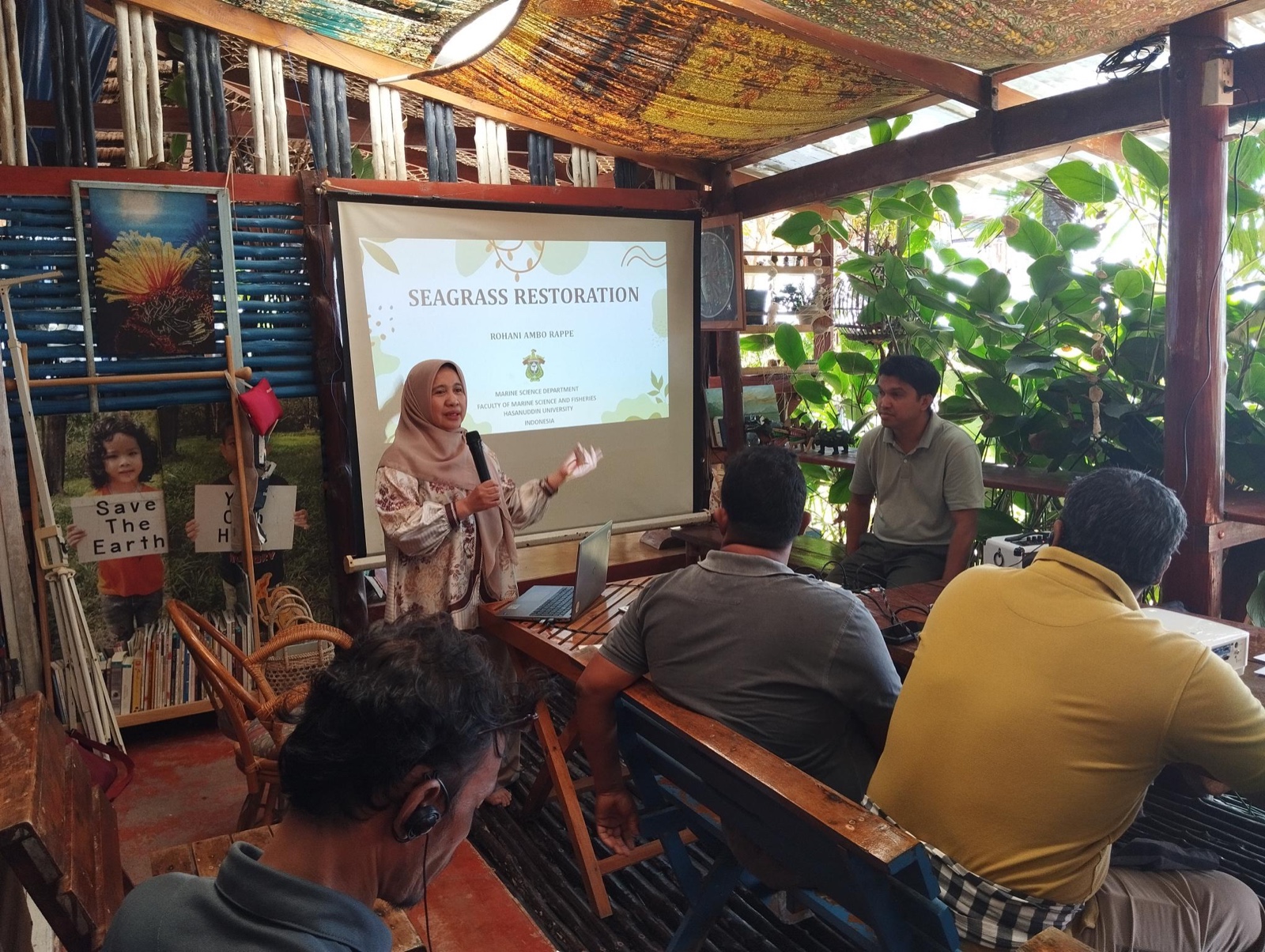

Under the turquoise waves of Thailand’s Marine Protected Areas (MPAs), a vital underwater forest is fighting for survival. Seagrass meadows, the magnificent unsung heroes of our oceans, serve as critical blue carbon sinks and the primary feeding grounds for the vulnerable, iconic dugong. Recognizing the urgent need to protect these disappearing habitats from severe threats like coastal land conversion, marine pollution, and destructive fishing practices, the International Union for Conservation of Nature (IUCN) recently facilitated an innovative, in-person knowledge exchange program. This initiative successfully united conservation practitioners, researchers, policymakers, and local coastal communities to pioneer sustainable marine restoration strategies.

Central to this vital mission was the collaborative spirit of United Nations Sustainable Development Goal 17 (Partnerships for the Goals). By successfully bridging the gap between rigorous academic research and traditional ecological knowledge, the program created a powerful cooperative framework across diverse sectors. Traditional fishers, tourism operators, and academic institutions worked hand-in-hand to tackle complex ecological challenges. This shared synergy ensures that advanced scientific restoration techniques, such as active seagrass transplantation and the rehabilitation of degraded ecosystems, are seamlessly integrated with community-based marine protection policies that can be enforced and sustained for generations.
Education emerged as a fundamental cornerstone of the program’s long-term environmental strategy, directly advancing United Nations Sustainable Development Goal 4 (Quality Education). The initiative provided comprehensive technical capacity building, sharing the latest research findings while conducting active educational outreach among stakeholders involved in dugong-based tourism. Through targeted socialization efforts, local community members and guides received specialized training in eco-friendly tourism management and stricter conservation regulations. This empowers local populations with the vital knowledge needed to monitor ecosystem health, eliminate harmful fishing methods, and significantly minimize human impacts on these highly fragile underwater environments.
The long-term impact of reviving these underwater pastures stretches far beyond environmental conservation; it is deeply intertwined with human survival and financial security. In alignment with United Nations Sustainable Development Goal 1 (No Poverty) and Sustainable Development Goal 14 (Life Below Water), the restoration of seagrass ecosystems directly safeguards the economic stability of vulnerable coastal populations. Healthy, thriving meadows act as essential nurseries for diverse marine species, replenishing the local fisheries that coastal families rely upon for their daily food and stable income.
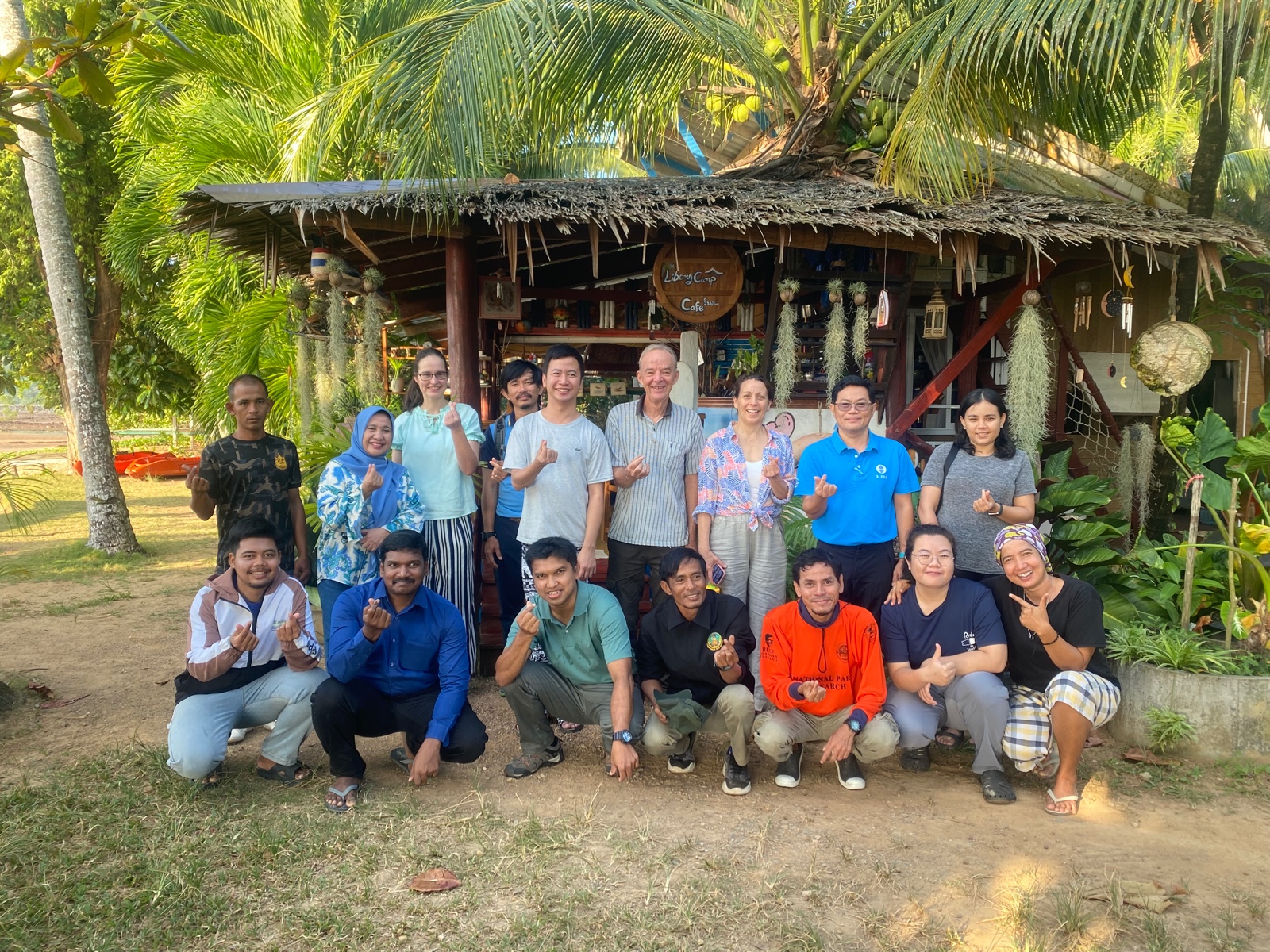
Furthermore, by securing the primary habitats of dugongs, the initiative breathes new life into responsible eco-tourism. This creates alternative, climate-resilient livelihoods that shield communities from economic vulnerability. Through this harmonious blend of scientific innovation, community empowerment, and global cooperation, Thailand’s MPAs are setting a transformative global example. The successful completion of this knowledge exchange ensures that these vital blue carbon ecosystems will continue to function optimally, balancing marine biodiversity with enduring economic prosperity for future generations.