


Large infrastructure projects like dams are often seen as symbols of progress. They bring electricity, irrigation, and flood control. But behind these benefits, there are human stories that are rarely told—stories of families who must leave their homes and rebuild their lives. A study titled “A Long-Term Evaluation of Families Affected by the Bili-Bili Dam Development Resettlement Project in South Sulawesi, Indonesia”, published in the International Journal of Water Resources Development by Taylor & Francis on 23 September 2012, explores what really happens to these families over time .
The Bili-Bili Dam, located in South Sulawesi, was built to reduce flooding in Makassar, provide clean water, and support agriculture. While these goals were achieved, more than 2,000 families had to relocate from their original homes. The government offered compensation and an option to join the Transmigration Programme, which provided land and housing in new areas. However, the reality of relocation was far more complex.
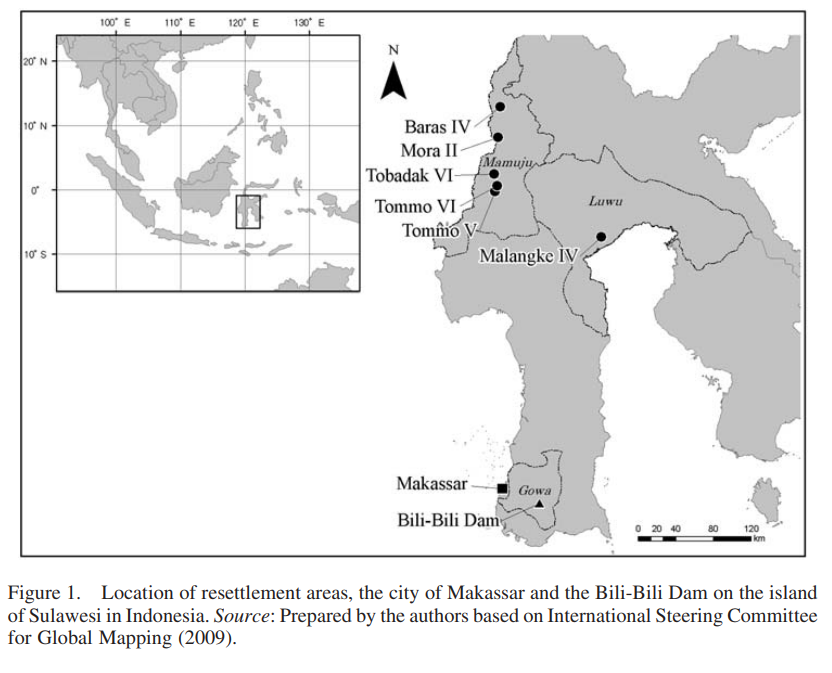
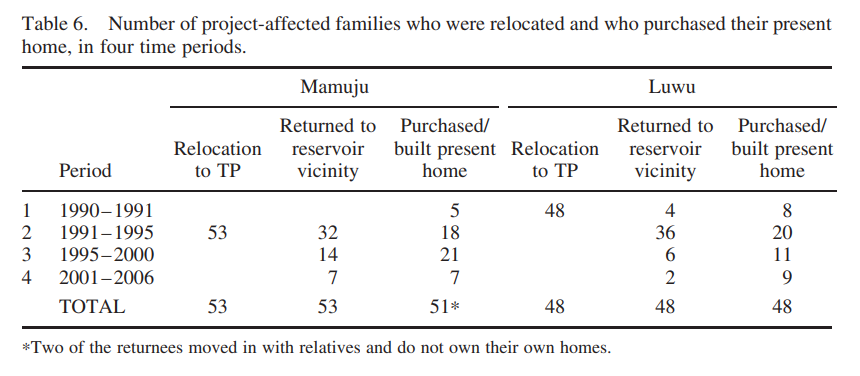
The study shows that many families faced serious challenges after moving. Some struggled with poor infrastructure, limited access to water, and low agricultural productivity. reveals that issues such as flooding, land disputes, and lack of resources made it difficult for families to build stable livelihoods in their new locations. As a result, many chose to return to areas near their original homes, even if conditions there were not perfect.
Interestingly, returning did not always mean failure. In fact, many families used their compensation money wisely. They purchased land, built homes, and found new job opportunities. Over time, their living conditions improved, with better housing, access to electricity, and ownership of assets like motorcycles and refrigerators . This shows that resilience and adaptability played a key role in their survival.
This study is closely related to Sustainable Development Goal (SDG) 1: No Poverty. SDG 1 focuses on reducing poverty and improving the well-being of vulnerable populations. The experiences of these families highlight the importance of not only providing financial compensation but also ensuring long-term support, such as access to education, infrastructure, and job opportunities.
One important lesson from this research is that development should not only focus on economic growth but also on people’s well-being. Policies must consider social and emotional factors, such as attachment to land and community. Many families returned simply because they felt a strong connection to their original homes.
The study also shows that one-size-fits-all solutions do not work. While some families succeeded in the transmigration areas, others struggled due to differences in skills, resources, and personal circumstances. This highlights the need for flexible and inclusive policies that support all groups, especially the most vulnerable.
In conclusion, the story of the Bili-Bili Dam is not just about infrastructure—it is about people. It reminds us that true development must be human-centered. By learning from these experiences, future projects can be designed to not only build stronger economies but also create better lives for everyone.
http://dx.doi.org/10.1080/07900627.2012.738495
Contact :
Prof. Agnes Rampisela
metroxylonsagu@trg.unhas.ac.id


