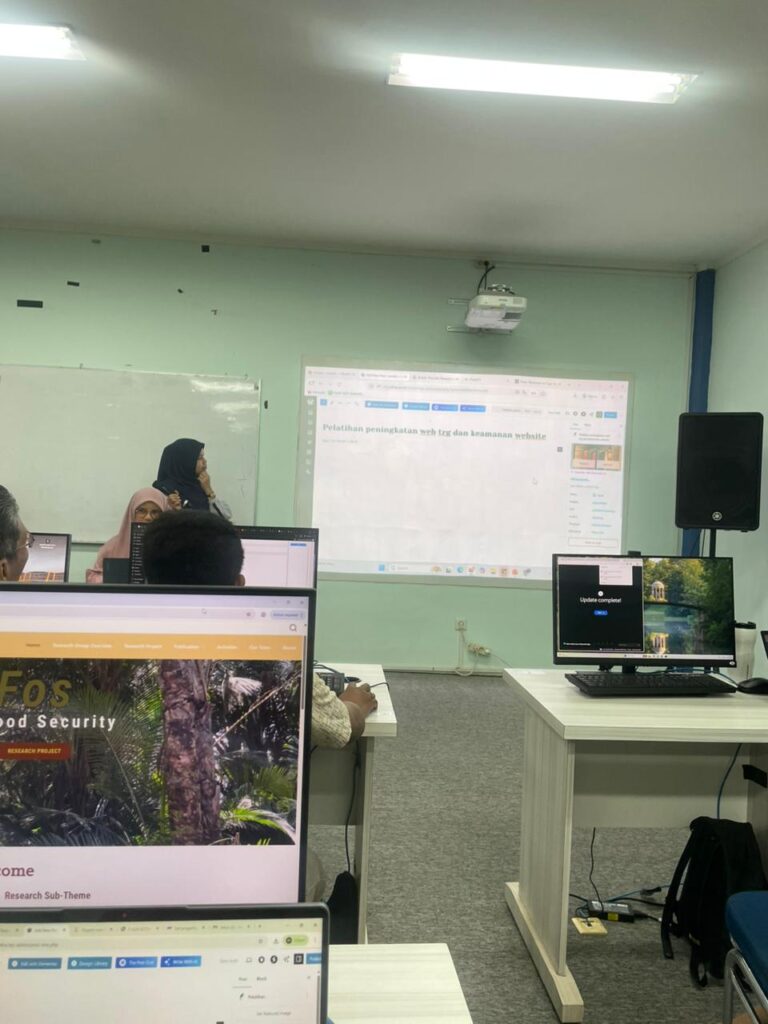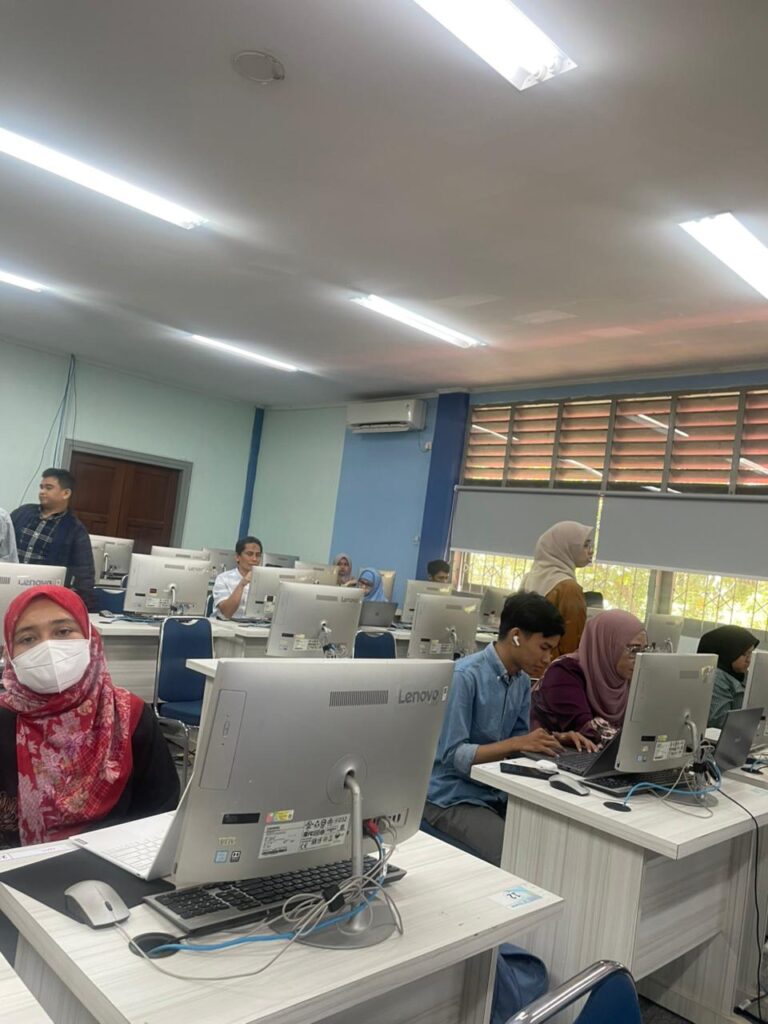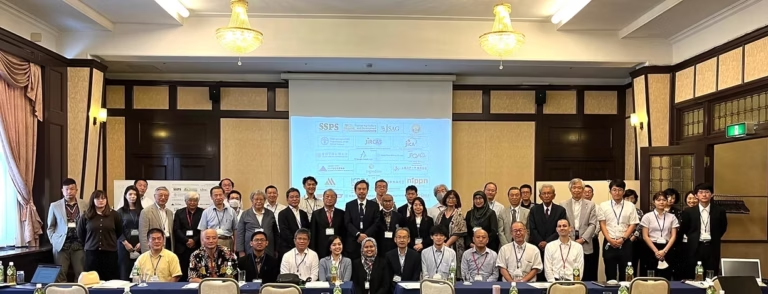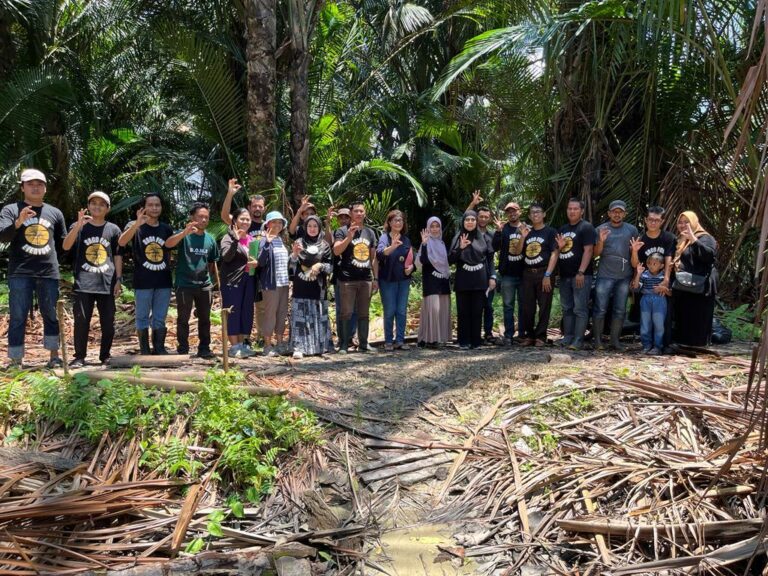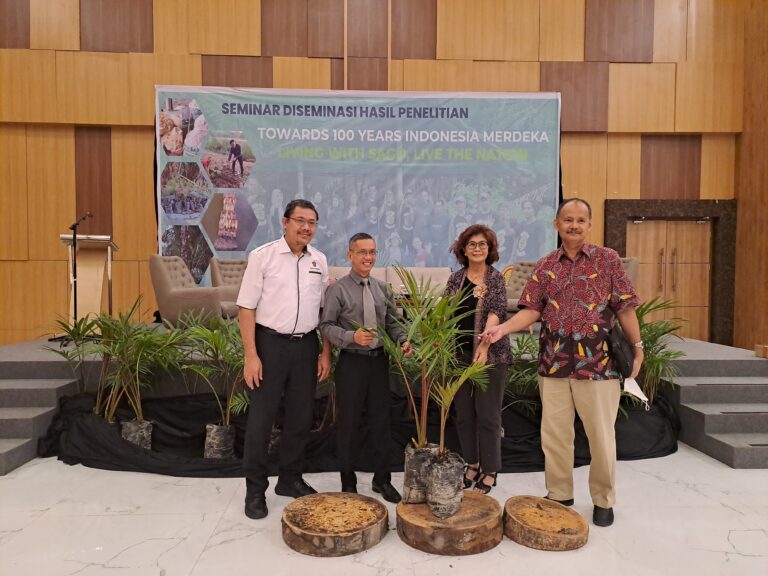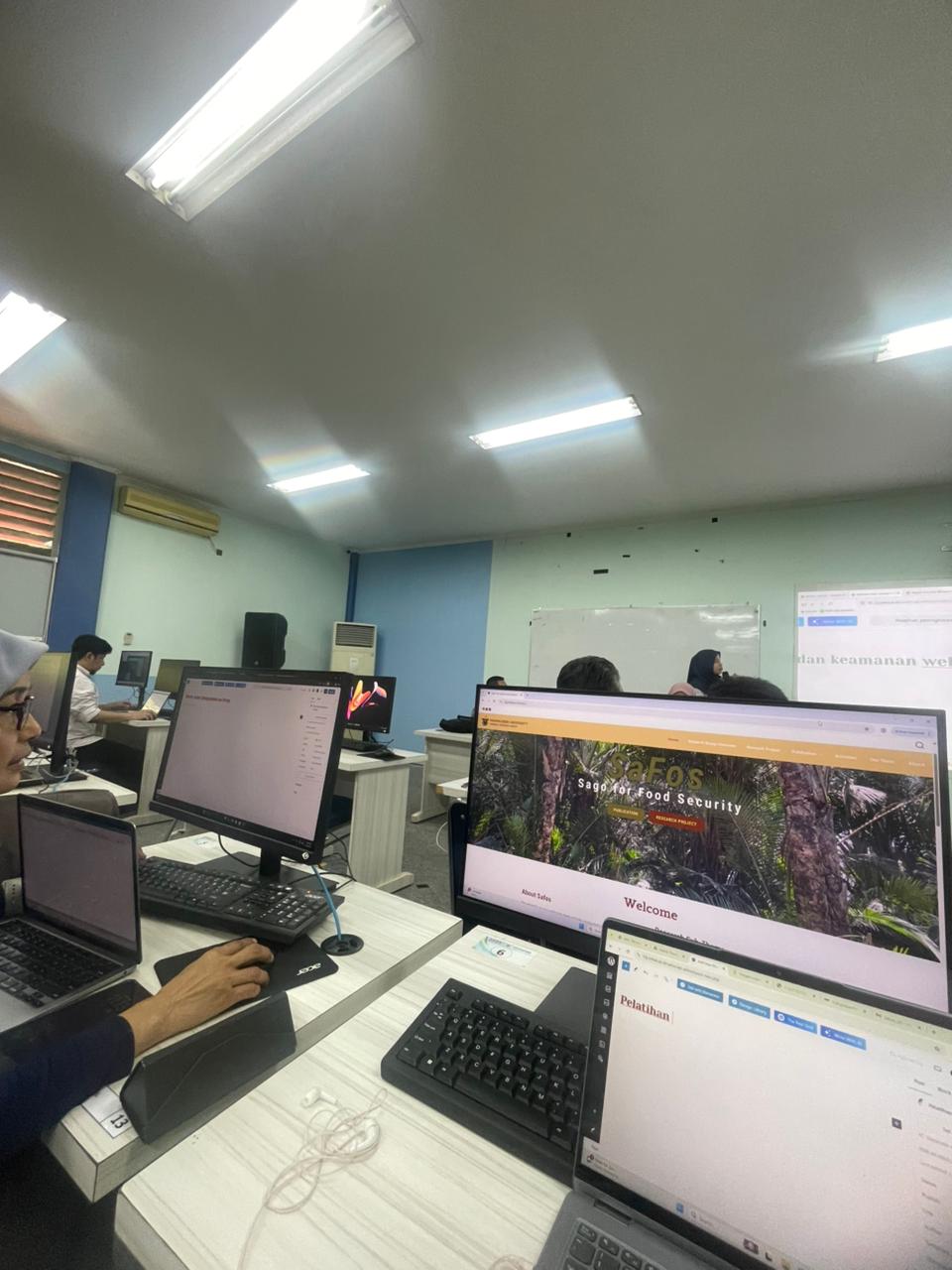

Hasanuddin University (UNHAS) continues to strengthen its global academic presence through strategic initiatives aimed at enhancing research visibility and collaboration. One such initiative is the Thematic Research Group (TRG) Training in Supporting the Improvement of UNHAS Reputation, a capacity-building activity designed to optimize the use of TRG web platforms for broader international accessibility and impact.
Conducted at the Pusat Teknologi Informasi dan Komunikasi (PTIK) Universitas Hasanuddin, this training gathered more than 30 participants, consisting of lecturers, researchers, and administrative staff actively involved in managing and developing thematic research groups. The event took place on Makassar, 1 April 2026, marking a significant step in UNHAS’s commitment to digital transformation in research dissemination.
The primary objective of this training was to enhance the reputation of UNHAS by equipping participants with the technical and strategic skills required to manage TRG web platforms effectively. By improving the accessibility and quality of online research profiles, TRGs are expected to reach a wider global audience, thereby increasing opportunities for international collaboration, citation impact, and academic recognition.
This initiative aligns closely with several Sustainable Development Goals (SDGs), particularly SDG 1: No Poverty, SDG 4: Quality Education, and SDG 17: Partnerships for the Goals. Through improved research dissemination, TRGs can contribute to knowledge sharing that addresses socio-economic challenges (SDG 1), supports inclusive and equitable quality education (SDG 4), and fosters stronger global partnerships among academic institutions and stakeholders (SDG 17). Additionally, the thematic nature of the research groups allows for contributions to other SDGs such as SDG 3 (Good Health and Well-being), SDG 14 (Life Below Water), and SDG 15 (Life on Land), depending on each group’s research focus.
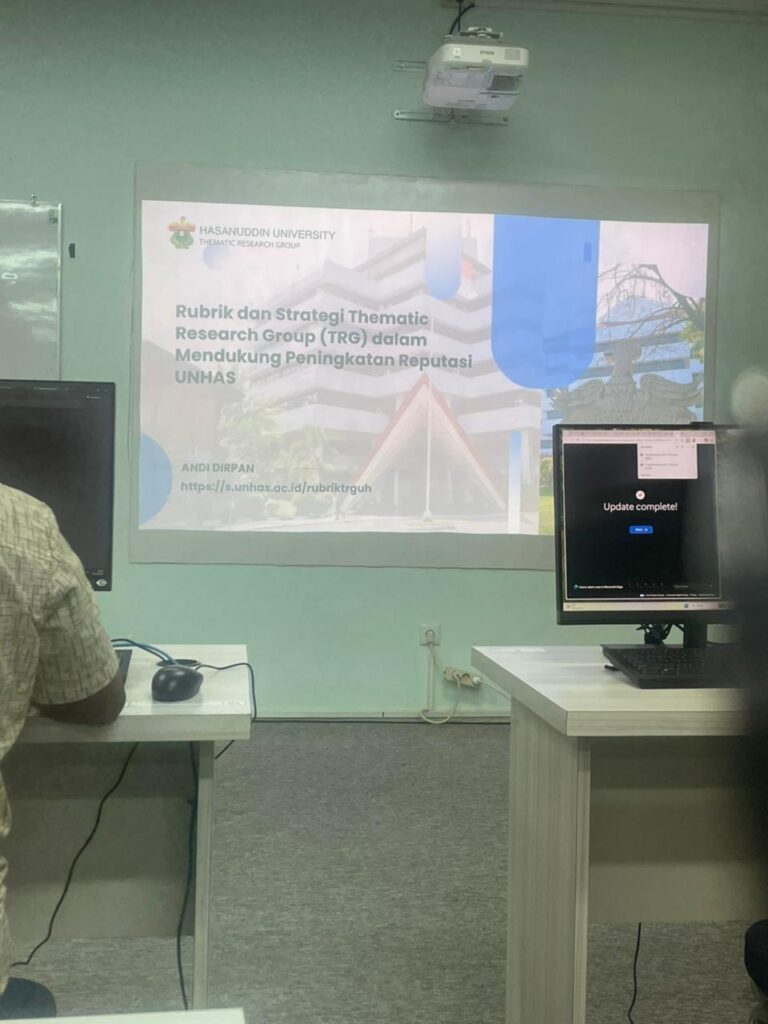
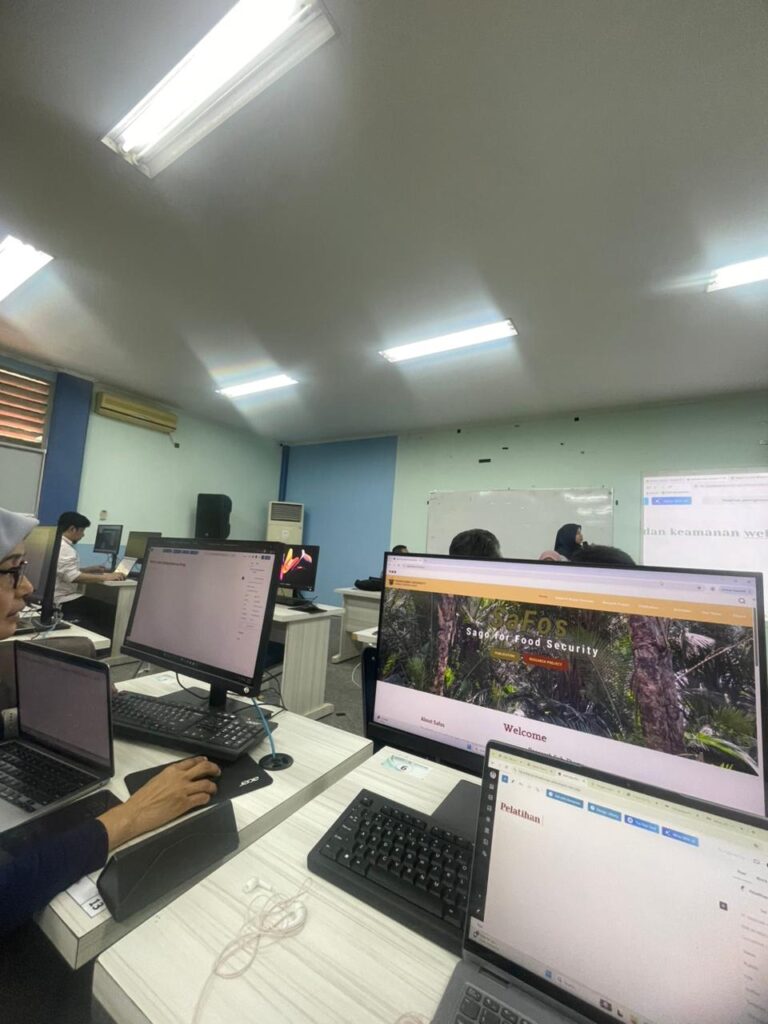
The training sessions emphasized practical skills, including website content management, data standardization, research profiling, and integration with international indexing platforms. Participants were guided on how to present their research outputs in a structured, engaging, and globally competitive manner. This not only enhances institutional visibility but also strengthens the credibility and professionalism of UNHAS researchers in the international academic community.
Moreover, the activity fostered an environment of collaboration and knowledge exchange among participants. Discussions and hands-on sessions encouraged the sharing of best practices, challenges, and innovative solutions in managing research information systems. This collaborative approach is essential in building a sustainable and adaptive research ecosystem within the university.
In conclusion, the TRG Training represents a forward-looking effort by UNHAS to leverage digital platforms in advancing its academic reputation. By aligning technological capacity building with global development goals, this initiative not only strengthens institutional performance but also contributes meaningfully to addressing global challenges through research and innovation.