
Rice Seed Assistance Program Strengthens Seed Self-Sufficiency and Food Security in Bantaeng Regency
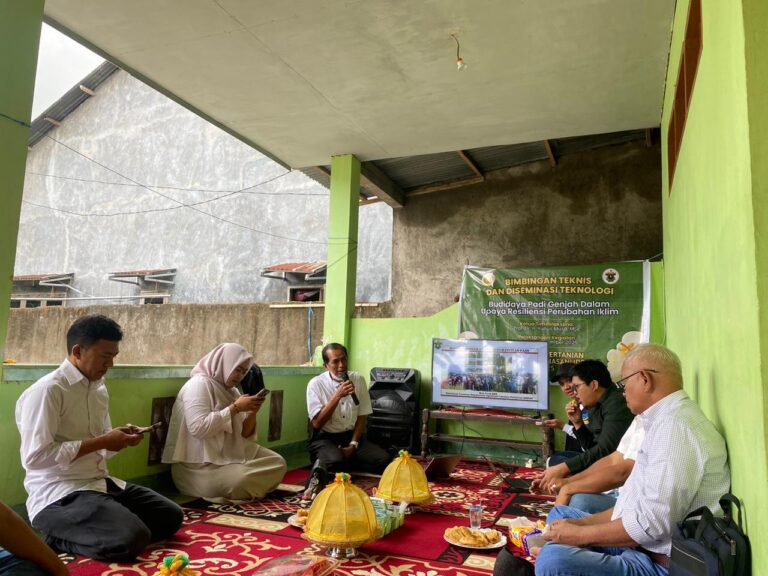
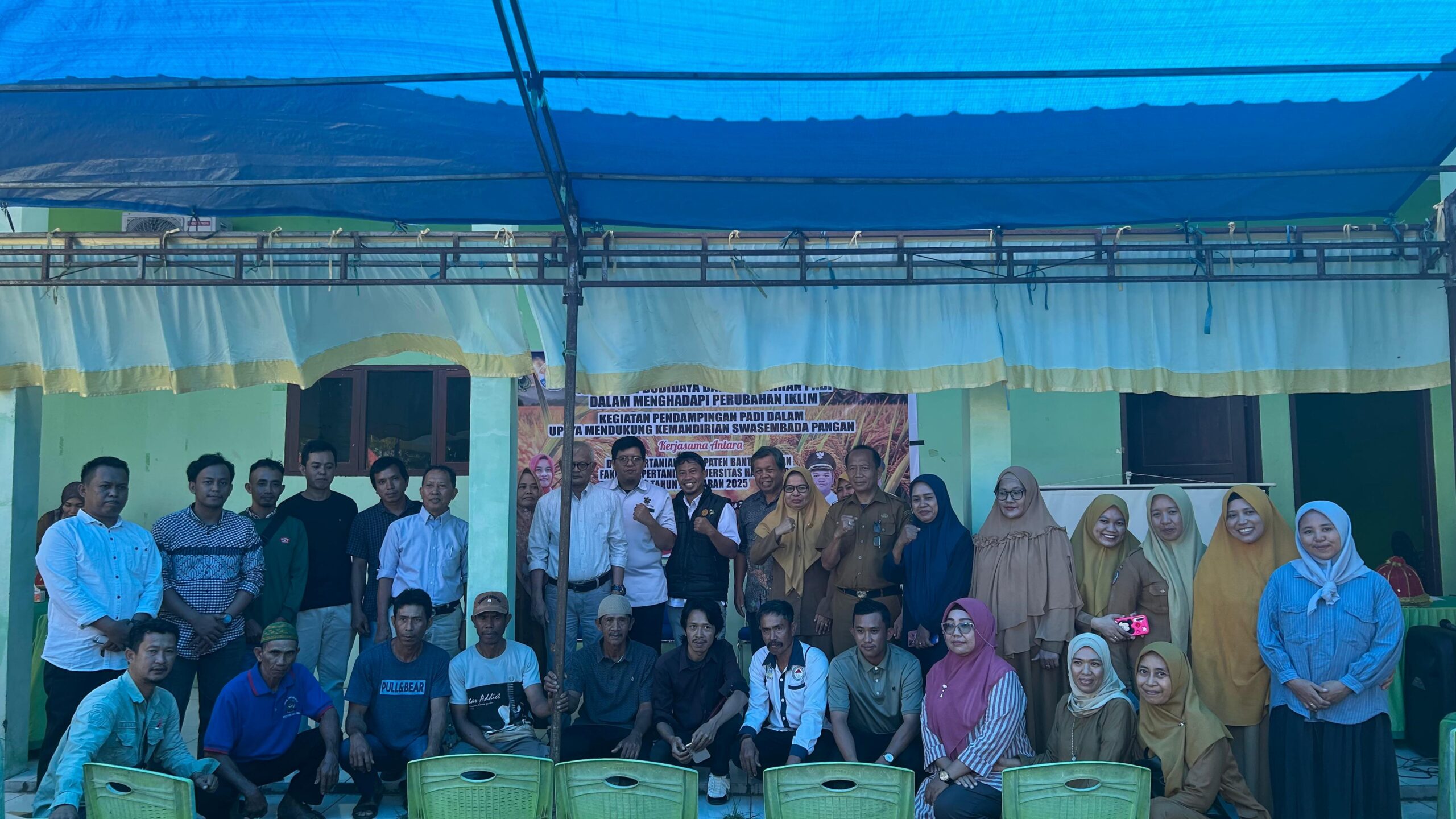
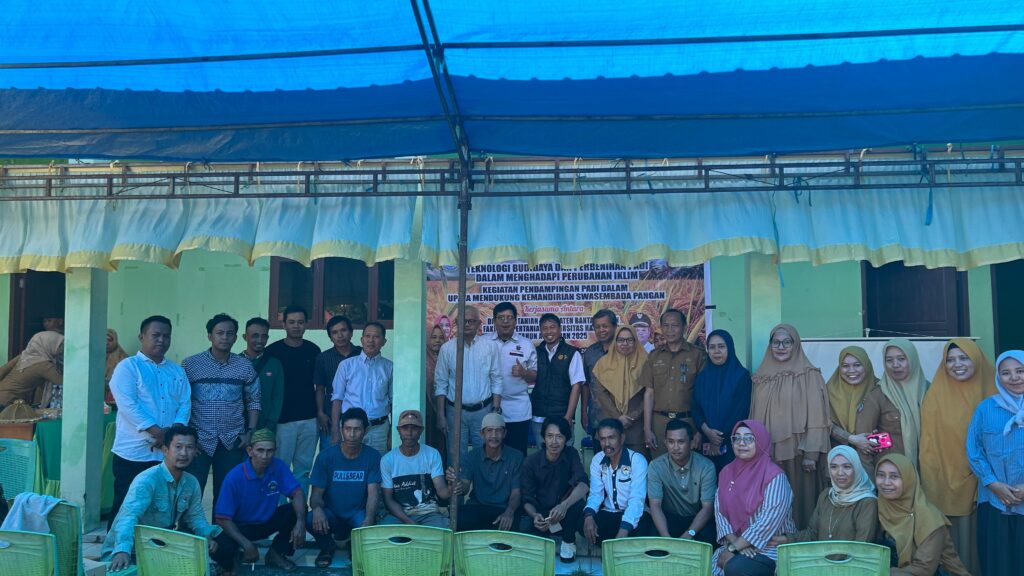
Bantaeng – In a continued effort to strengthen national food security through independent seed production, a rice seed assistance program titled “Rice Seed Assistance in Support of Independence and Food Self-Sufficiency” was successfully carried out in Bantaeng Regency on August 4, 2025. The activity brought together 50 participants, consisting of local farmers, seed producer groups, and agricultural extension officers, all committed to strengthening the region’s capacity to produce high-quality rice seeds independently.
This program was specifically designed to support farmers in building independent seed production systems, reducing their reliance on external seed supplies while improving the quality, availability, and sustainability of rice seed stocks at the local level. Through structured mentoring, participants were guided through essential stages of seed production, including proper seed selection, isolation techniques to maintain genetic purity, post-harvest handling, drying, and storage methods that preserve seed viability and germination quality over time.
Rather than delivering theoretical material alone, the assistance program emphasized direct, field-based mentoring, allowing farmers to apply seed production techniques on their own land under the guidance of technical experts. This hands-on approach ensured that knowledge transfer translated into real, adoptable practices, empowering farmers to gradually shift from seed consumers to seed producers within their own communities.
This initiative carries strong relevance to several Sustainable Development Goals. It directly supports SDG 1 (No Poverty), as independent seed production reduces farmers’ production costs and strengthens their economic resilience by minimizing dependency on external seed markets. It also reflects SDG 4 (Quality Education), through the transfer of applied agricultural knowledge and technical skills that enhance farmers’ capacity to manage seed production systems sustainably. Meanwhile, the collaborative partnership between agricultural experts, extension officers, and local farming communities embodies SDG 17 (Partnerships for the Goals), demonstrating how shared expertise and coordinated support can accelerate progress toward local food self-sufficiency. In addition, by encouraging responsible and sustainable use of agricultural land for seed cultivation, the program aligns with SDG 15 (Life on Land), supporting healthier soil management practices and long-term agricultural productivity.
Throughout the sessions, participants actively engaged in discussions, exchanging field experiences and challenges related to seed handling and storage. This participatory learning environment fostered stronger collaboration among farmer groups while reinforcing a shared sense of responsibility toward achieving regional seed independence. Many participants expressed increased confidence in producing their own certified seeds, recognizing its long-term benefits for both cost efficiency and crop reliability.
Through this rice seed assistance program, it is hoped that farmers in Bantaeng Regency can gradually reduce dependency on external seed sources while contributing to broader efforts toward regional and national food self-sufficiency. The initiative stands as a concrete example of how sustained technical mentoring, grounded in scientific practice and community collaboration, can strengthen the foundation of local food systems and build lasting agricultural resilience for the future.