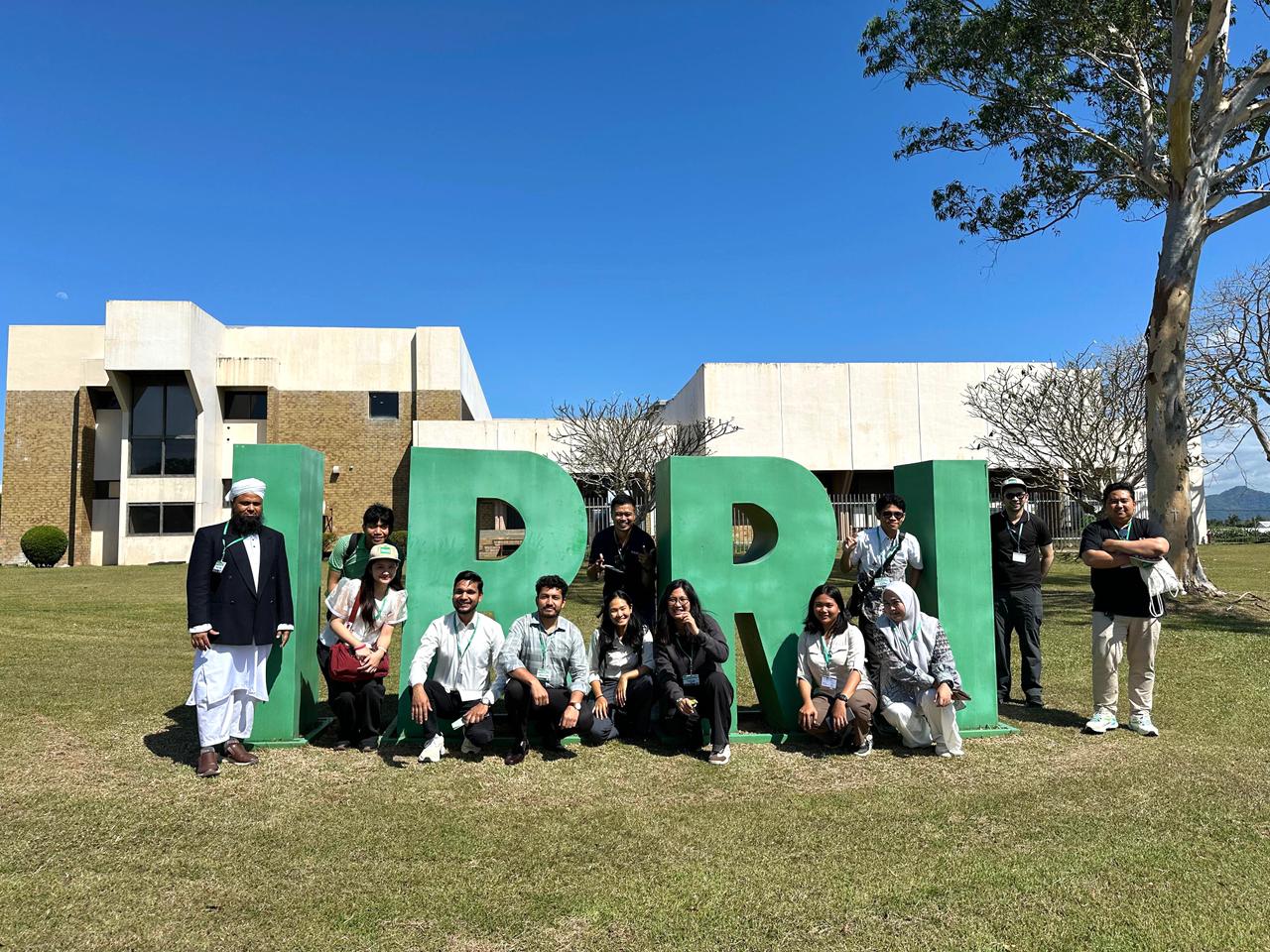

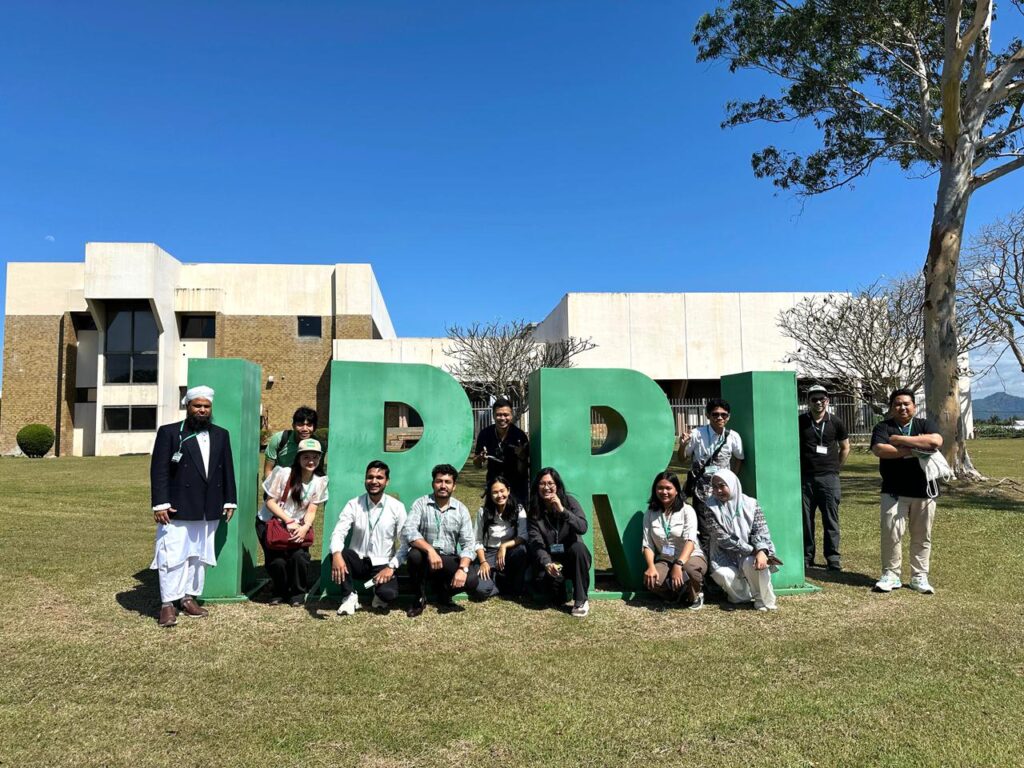
Los Baños, Philippines – In support of advancing scientific capacity in climate change research, a specialized training on “Gas Measurement Training in Rice Paddy Fields” was held at the International Rice Research Institute (IRRI), Los Baños, Philippines, from February 23 to 26, 2026. The training brought together 13 participants from various research institutions, all eager to deepen their understanding of greenhouse gas sampling techniques and laboratory-based gas analysis in rice cultivation systems.
The primary objective of this training was to equip participants with practical knowledge on how to properly collect gas samples from rice fields and subsequently analyze them using standardized laboratory procedures. Given that rice paddies are recognized as a significant source of methane and other greenhouse gas emissions, accurate measurement techniques are essential for developing science-based strategies to mitigate agriculture’s contribution to climate change while supporting more sustainable rice production systems.
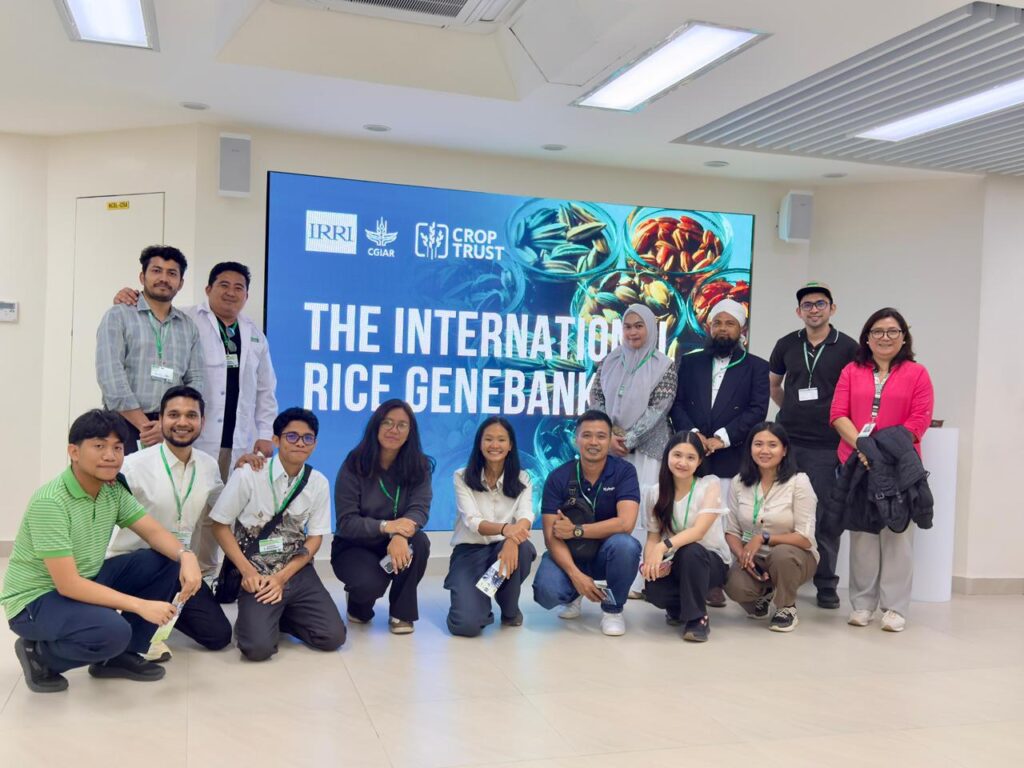
The training was conducted under the guidance of international partner Dr. Madonna C. Cashimero, whose expertise in greenhouse gas measurement methodologies provided participants with rigorous, field-tested approaches to sampling design, chamber installation, gas extraction procedures, and chromatographic analysis. Representing the collaboration were two graduate researchers, Salwa Aulia Haruni (Doctoral/S3 student) and Achmad Kautsar Baharuddin (Master’s/S2 student), who took part in the hands-on sessions to strengthen their technical competence in support of their ongoing academic research on climate-related agricultural studies.
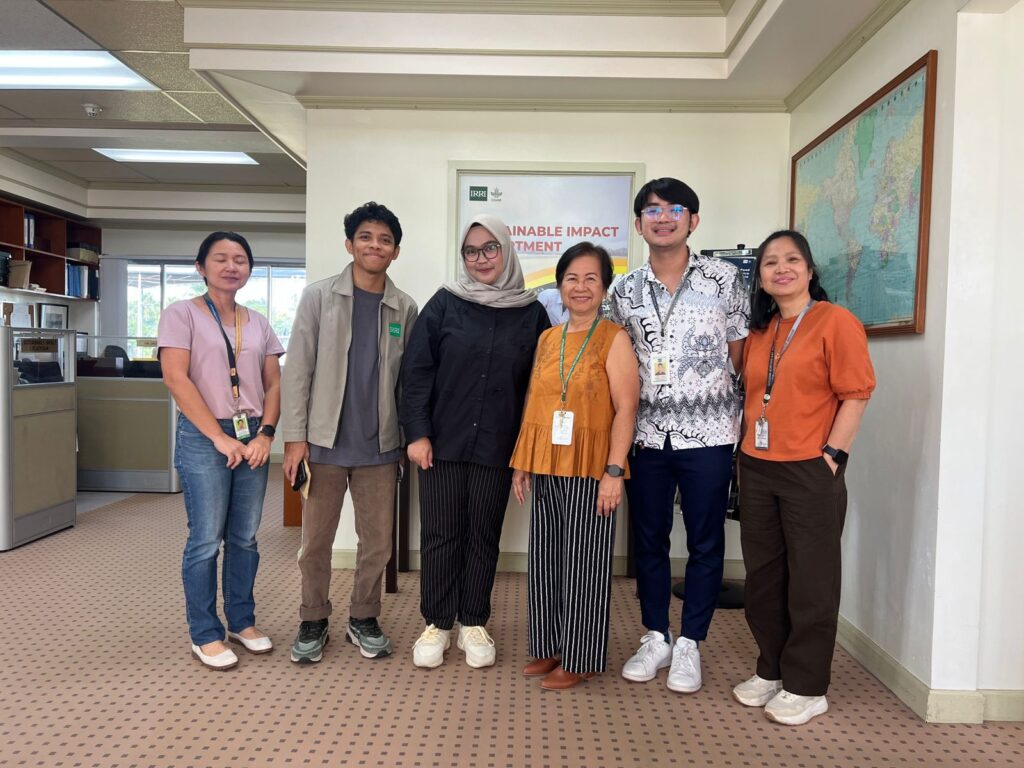
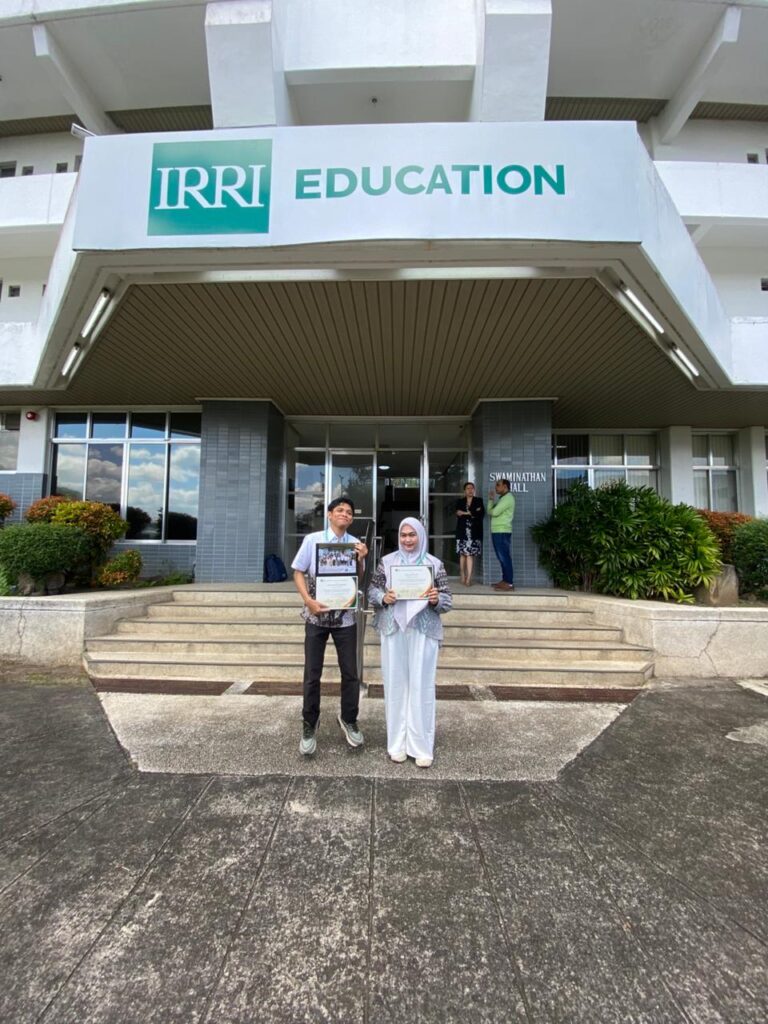
Throughout the four-day program, participants engaged in a combination of theoretical instruction and intensive laboratory practice, covering topics such as proper gas chamber placement in paddy fields, timing protocols for sample collection, sample preservation, and the use of gas chromatography instruments for precise emission analysis. This structured approach ensured that participants gained not only conceptual understanding but also the technical proficiency required to independently conduct greenhouse gas measurement research upon returning to their respective institutions.
This international training initiative is closely aligned with several Sustainable Development Goals. It supports SDG 1 (No Poverty), as improved understanding of emission-efficient rice farming practices can contribute to more sustainable and economically resilient agricultural systems for smallholder farmers. It also strongly reflects SDG 4 (Quality Education), through the transfer of advanced scientific knowledge and technical skills to young researchers, strengthening the next generation of scientists in climate-related agricultural research. Furthermore, the collaboration between IRRI, international experts, and academic institutions exemplifies SDG 17 (Partnerships for the Goals), demonstrating how cross-border scientific cooperation can accelerate knowledge exchange and capacity building. In addition, the training contributes to SDG 15 (Life on Land), as accurate greenhouse gas monitoring in agricultural landscapes supports more sustainable land management practices and helps minimize the environmental footprint of rice cultivation on terrestrial ecosystems.
Through this training, it is hoped that participants can apply their newly acquired skills to advance greenhouse gas research within their own countries, contributing to a broader global effort to understand and mitigate agriculture’s role in climate change. This activity stands as a valuable example of how international collaboration, rigorous scientific training, and academic partnership can strengthen research capacity while supporting a more climate-resilient and sustainable future for rice-based agricultural systems worldwide.