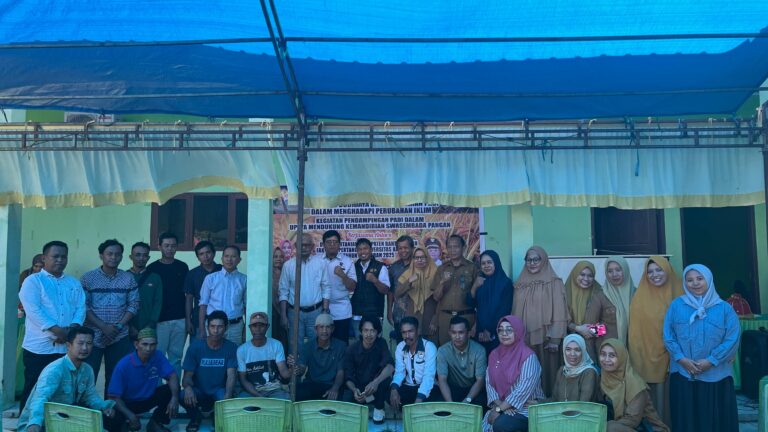

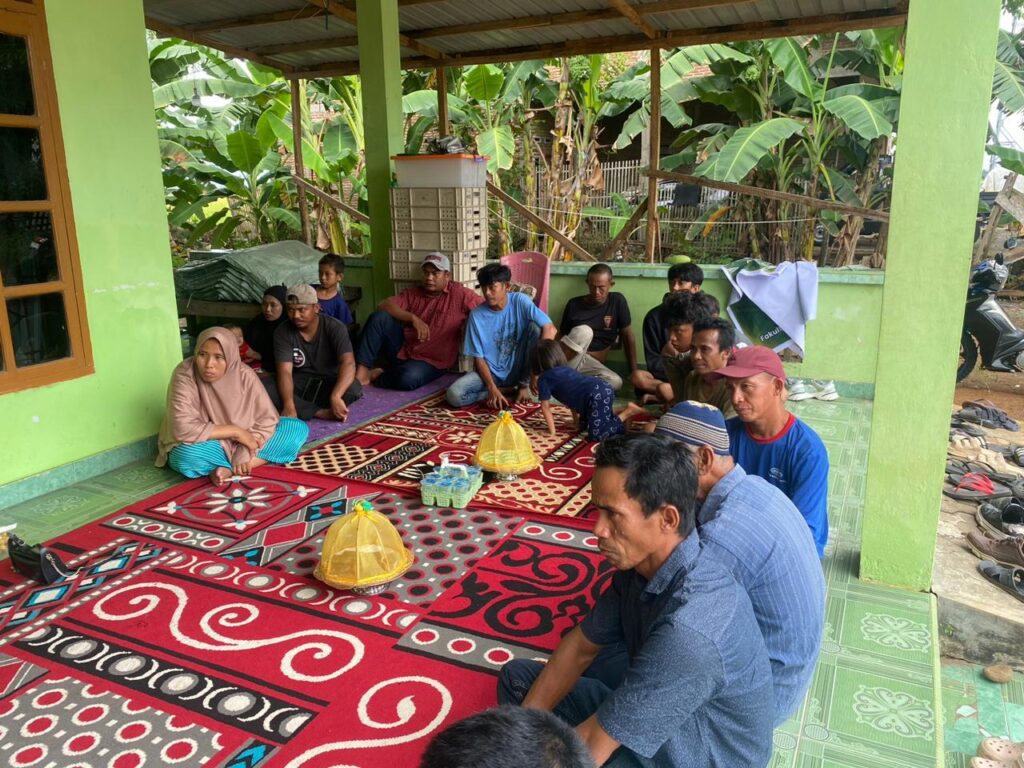
Gowa – Responding to the growing urgency of climate change adaptation in the agricultural sector, a technical guidance and dissemination program on short-duration rice cultivation technology was successfully carried out in Bajeng Subdistrict, Gowa Regency, on November 10, 2025. The activity brought together 24 participants, consisting of local farmers, farmer group representatives, and agricultural extension officers, all eager to strengthen their capacity in facing increasingly unpredictable weather patterns.
The program was designed to provide farmers with comprehensive technical guidance on cultivating genjah rice, a fast-maturing variety that offers a practical adaptation strategy against erratic rainfall, prolonged dry spells, and shifting planting seasons. Through this activity, participants were introduced to improved cultivation practices, including proper seed selection, efficient water management, integrated pest control, and optimal harvest scheduling, all tailored to the specific agroecological conditions of Bajeng.
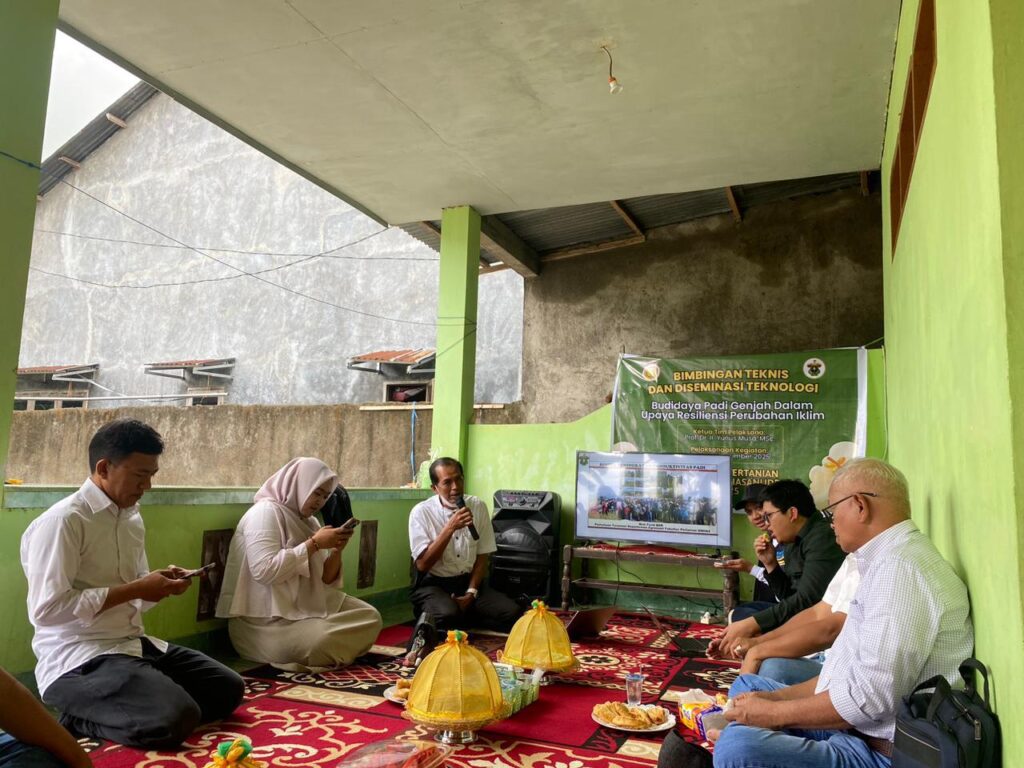
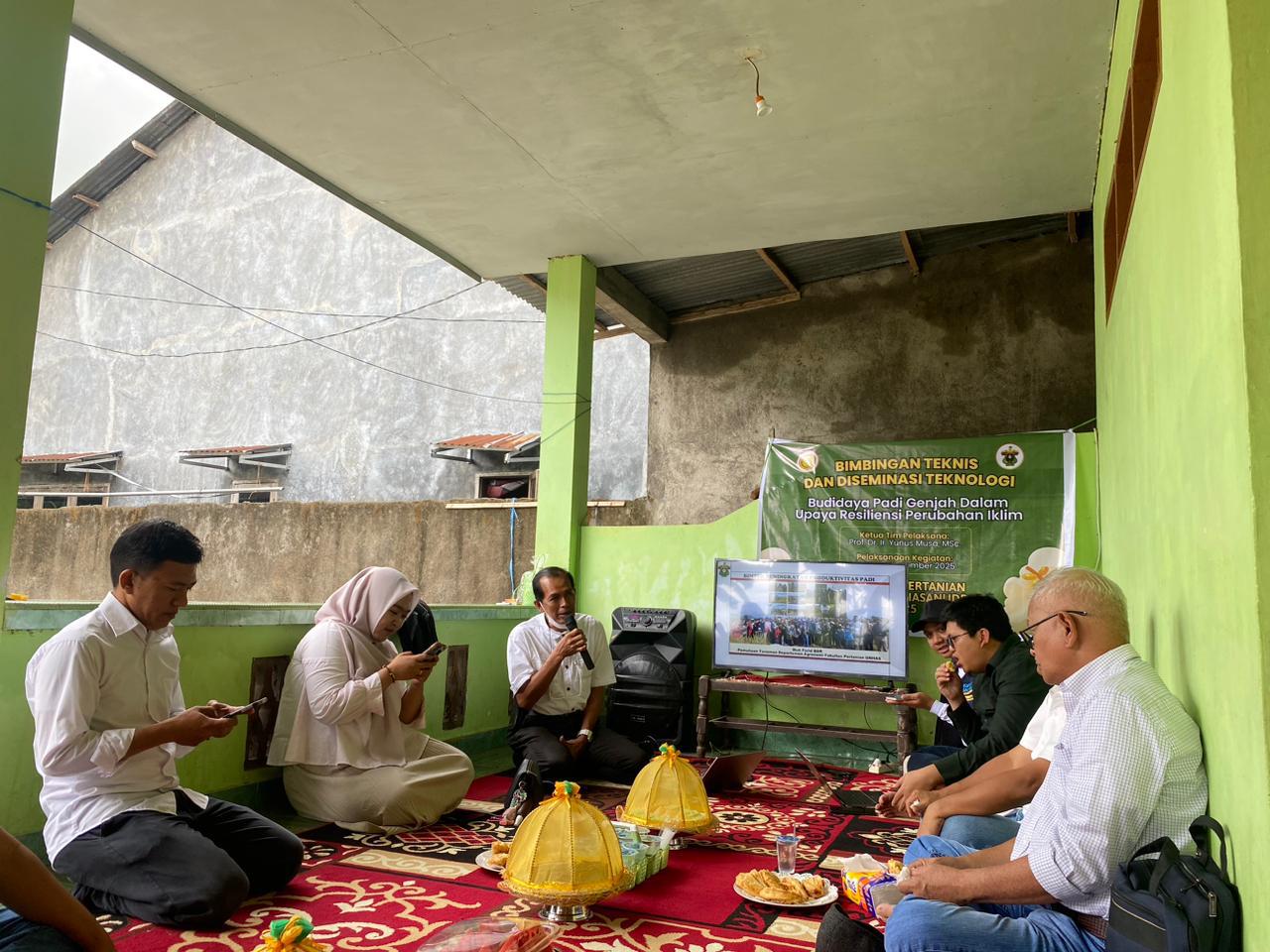
The session combined scientific explanation with hands-on demonstration, allowing farmers to directly observe and practice the recommended techniques rather than relying solely on theoretical instruction. Interactive discussions gave participants space to share their field experiences, ask questions, and receive direct feedback from resource persons, ensuring that the knowledge delivered was both scientifically grounded and practically relevant to local farming realities.
This initiative is closely aligned with several Sustainable Development Goals. It directly supports SDG 1 (No Poverty), as more climate-resilient rice cultivation helps protect farmers’ income from crop failure caused by extreme weather. It also reflects SDG 4 (Quality Education), through the transfer of applied agricultural knowledge that strengthens farmers’ technical competence and decision-making. Meanwhile, the collaborative spirit between extension teams, technical experts, and local farmer communities embodies SDG 17 (Partnerships for the Goals), showing how shared knowledge and cooperation can accelerate the adoption of climate-smart farming solutions. In addition, by promoting sustainable land-use practices and reducing environmental pressure from unstable farming systems, the program contributes to SDG 15 (Life on Land), supporting more resilient and ecologically balanced agricultural landscapes.
Beyond the technical content, the activity also served as a platform to build farmers’ confidence in adopting innovation. Many participants expressed renewed motivation to apply genjah rice cultivation techniques in their own fields, recognizing its potential to shorten planting cycles and reduce vulnerability to climate uncertainty. This growing awareness reflects a broader shift toward more adaptive and forward-looking farming mindsets within the Bajeng farming community.
Through this technical guidance and dissemination effort, it is hoped that farmers in Bajeng can gradually build stronger resilience against the impacts of climate change while maintaining stable and sustainable rice production. The program stands as a tangible example of how collaborative, science-based extension activities can empower rural communities, safeguard food security, and support the broader agenda of sustainable agricultural development in Gowa Regency and beyond.