
MAKASSAR, Indonesia Sep 16 2025/Resource Economics Research Group/ – Rural Indonesia holds a paradox. It is the backbone of food production and labor supply, yet it continues to struggle with poverty and unemployment. Why does this happen, and what can be done differently? A recent study titled “Econometric Modelling of the Rural Poverty, Unemployment and the Agricultural Sector Using a Truncated Spline Approach with Longitudinal Data,” published in the journal Economies by the Multidisciplinary Digital Publishing Institute (MDPI) on September 16, 2025, offers fresh answers by looking deeper into the complexity of rural development.
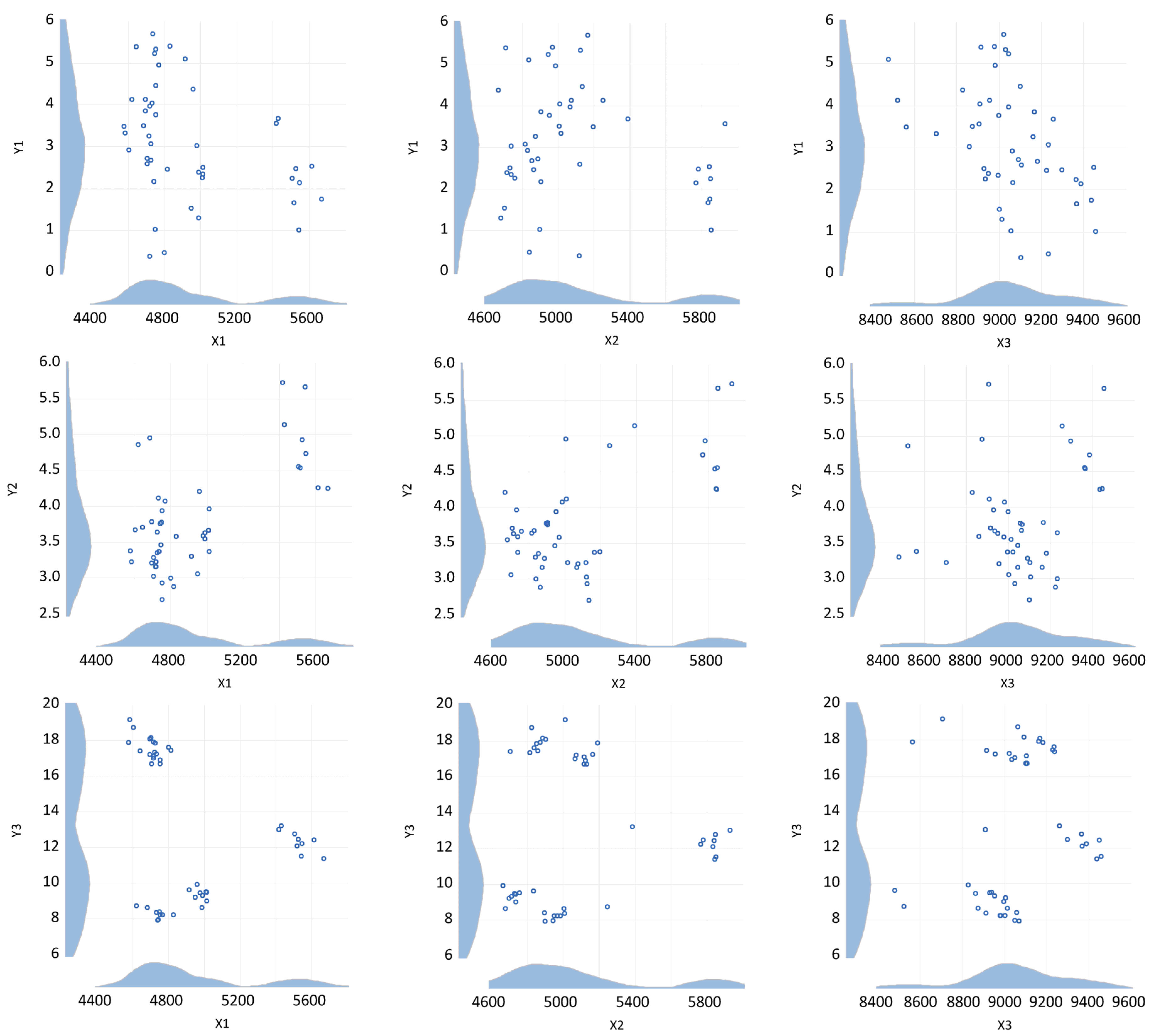
Unlike traditional studies that rely on simple, linear assumptions, this research uses a more flexible approach to capture the real-world dynamics of rural economies. By analyzing data from 2015 to 2023 across five regions in Indonesia, the study simultaneously examines three key indicators: rural poverty, rural unemployment, and agricultural sector growth. The result is a more realistic picture—one that shows development is not always straightforward, but often shaped by nonlinear and region-specific factors.
One of the most important findings is the role of village funds. These funds, allocated directly to rural communities, consistently help reduce both poverty and unemployment. This suggests that when financial resources are managed at the local level, they can be more responsive to community needs. In terms of global development priorities, this directly supports SDG 1: No Poverty, as targeted funding can improve livelihoods and reduce economic vulnerability in rural areas.
However, the study also highlights a growing concern: land conversion. As agricultural land is increasingly transformed for non-agricultural uses, the growth of the agricultural sector slows down. This is particularly worrying because agriculture remains a key source of income and employment in rural Indonesia. Excessive land conversion not only threatens food security but also limits economic opportunities for rural populations.
Another critical factor is population migration. Movement of people between rural and urban areas creates both opportunities and challenges. While migration can reduce pressure on rural labor markets, it may also weaken local economic structures if too many productive workers leave. The study shows that these effects vary across regions, reinforcing the idea that one-size-fits-all policies are ineffective.
These insights are closely linked to SDG 4: Quality Education and SDG 17: Partnerships for the Goals. For SDG 4, improving education and skills in rural areas can help communities adapt to economic changes, whether in agriculture or other sectors. A better-educated workforce is more resilient and capable of navigating shifting economic landscapes.
Meanwhile, SDG 17 emphasizes the importance of collaboration. Addressing rural poverty and unemployment requires coordinated efforts between governments, researchers, and local communities. The study itself demonstrates how advanced data analysis can inform better policy decisions, helping stakeholders design interventions that are both targeted and adaptable.
Ultimately, the message is clear: rural development is complex, but it is not beyond understanding. By embracing more flexible and data-driven approaches, policymakers can move beyond general solutions and focus on what truly works in each region.
In a country as diverse as Indonesia, this approach is not just beneficial—it is essential. Because when rural areas thrive, the entire nation becomes stronger, more stable, and more sustainable.
Reference
DOI: https://doi.org/10.3390/economies13090273
Contact:
Sanusi Fattah
+62 813-4293-3354
sanusi_fattah@fe.unhas.ac.id