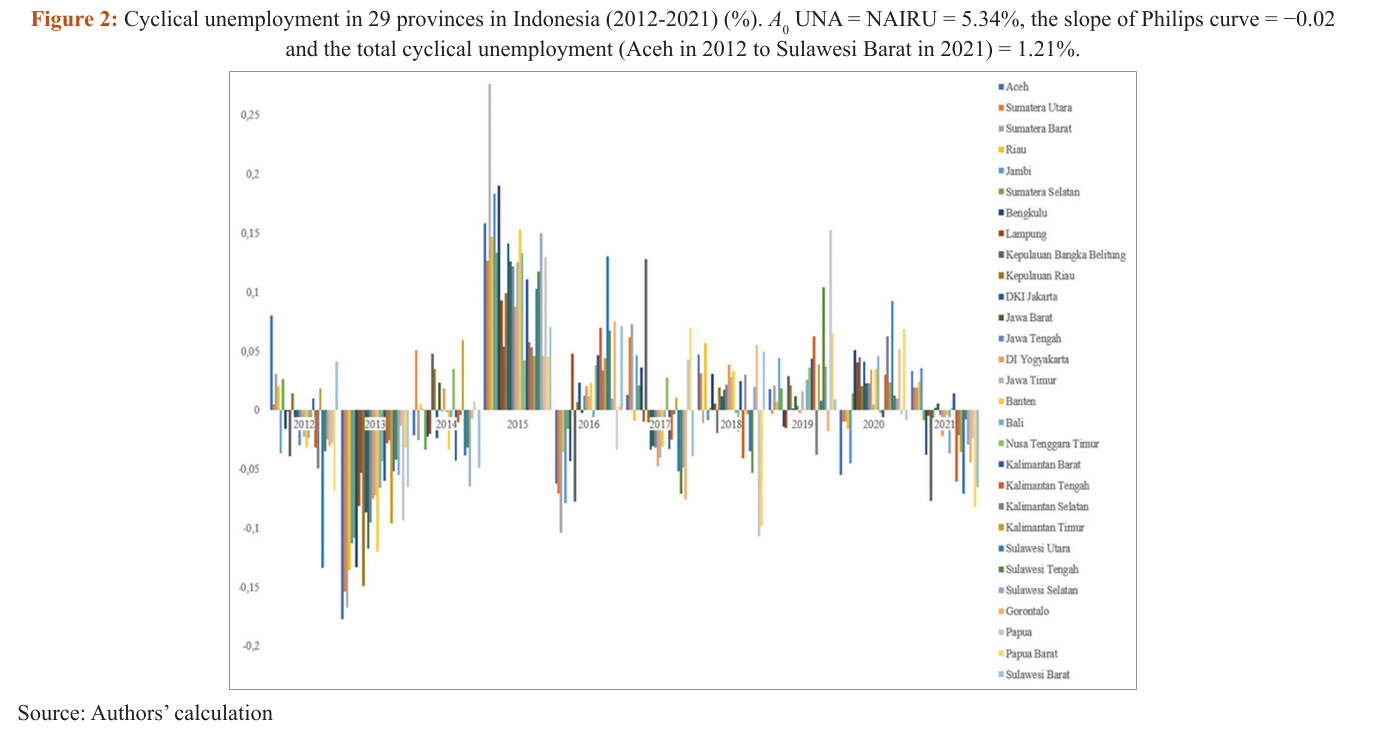

MAKASSAR, Indonesia Sept 6 2024/Resource Economics Research Group/ – What happens when rising temperatures quietly reshape not only the environment but also people’s livelihoods? This question lies at the heart of a recent academic study titled “Climate Change and Cyclical Unemployment in Indonesia,” published in the International Journal of Economics and Financial Issues by EconJournals on September 6, 2024. The study offers an important insight: climate change does not always affect jobs directly—but it can still influence unemployment in powerful, indirect ways.
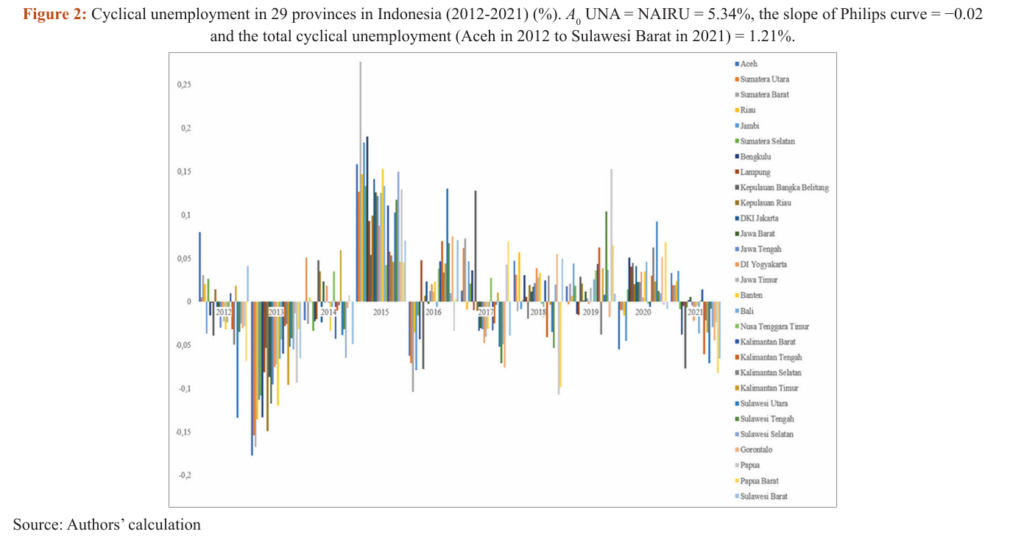
At first glance, it may seem logical to assume that higher temperatures immediately reduce employment. However, the study finds something more nuanced. Rising temperatures in Indonesia do not directly increase cyclical unemployment. Instead, they affect economic growth, and it is this slowdown in growth that ultimately leads to job losses. In simple terms, climate change weakens the economy first—and then the labor market follows.
This finding is particularly important because it highlights a hidden chain reaction. When temperatures rise, productivity in sectors like agriculture, fisheries, and forestry can decline. These sectors are highly dependent on natural conditions, and even small environmental changes can disrupt production. As economic activity slows down, businesses reduce hiring or even lay off workers, leading to higher unemployment during economic downturns.
The study also introduces the concept of hysteresis, where temporary unemployment can become permanent. When workers remain unemployed for too long, they may lose skills or face difficulties re-entering the job market. Over time, what was once a short-term problem turns into a long-term structural issue. This is a serious concern for developing economies like Indonesia, where labor markets are still evolving.
From a broader perspective, these findings are closely linked to global development priorities, especially SDG 1: No Poverty, SDG 4: Quality Education, and SDG 17: Partnerships for the Goals. The connection to SDG 1 is clear: unemployment and poverty are deeply intertwined. When climate change indirectly increases unemployment, it can push more people into poverty, particularly those in vulnerable, resource-dependent communities.
Meanwhile, SDG 4 plays a critical role in addressing this challenge. Education and skills development can help workers adapt to changing economic conditions, including those driven by climate change. By improving human capital, countries can reduce the long-term risks of unemployment and build a more resilient workforce.
Equally important is SDG 17, which emphasizes collaboration. Addressing the complex relationship between climate change, economic growth, and unemployment requires coordinated efforts among governments, researchers, and international institutions. The study itself is an example of how academic research can contribute to these global partnerships by providing evidence-based insights for policymaking.
Ultimately, the message is clear: tackling climate change is not just about protecting the environment—it is also about protecting jobs and livelihoods. Policymakers need to support green economic growth, invest in climate-resilient sectors, and ensure that financial resources are directed toward sustainable development.
As Indonesia continues to navigate the challenges of climate change, this research reminds us that the economy and the environment are deeply interconnected. Understanding this relationship is the first step toward building a future that is both sustainable and inclusive.
Reference
DOI: https://doi.org/10.32479/ijefi.16597
Contact:
Amanus Khalifah Fil’ardy Yunus
+62 852-4250-2685
orfil@fe.unhas.ac.id