Makassar, Indonesia/May 21, 2026/PRG/Long before human civilization reached the shores of Sulawesi, the southern portion of this Indonesian island was an expansive, fertile delta — a vibrant zone where ancient river systems converged with the open sea. Scientists from Hasanuddin University have now uncovered an extraordinary method for bringing that vanished landscape back to life: deciphering the microscopic record left behind by prehistoric pollen.
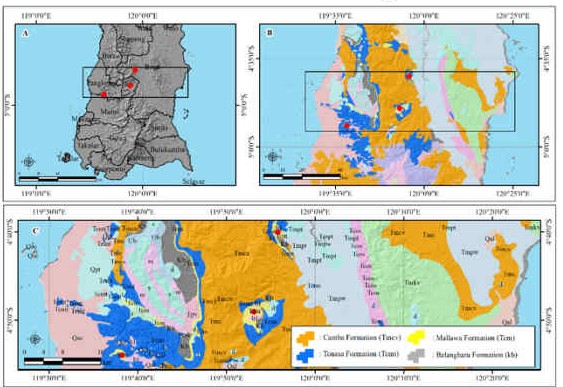
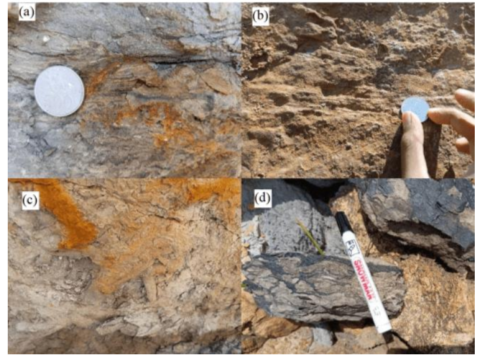
Their findings, published in the Iraqi Geological Journal (2025), focus on the Mallawa Formation, a widespread sedimentary rock unit found throughout South Sulawesi. Through careful examination of fossilized pollen and spores — known together as palynomorphs — the team was able to reconstruct the region’s ecological character as it stood roughly 37 to 45 million years ago, spanning the Middle to Late Eocene period.
When Pollen Outlasts Time
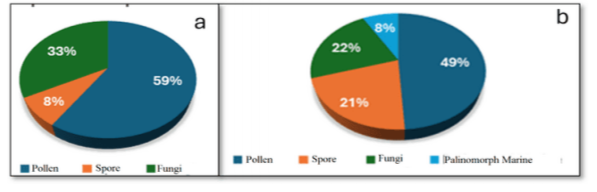
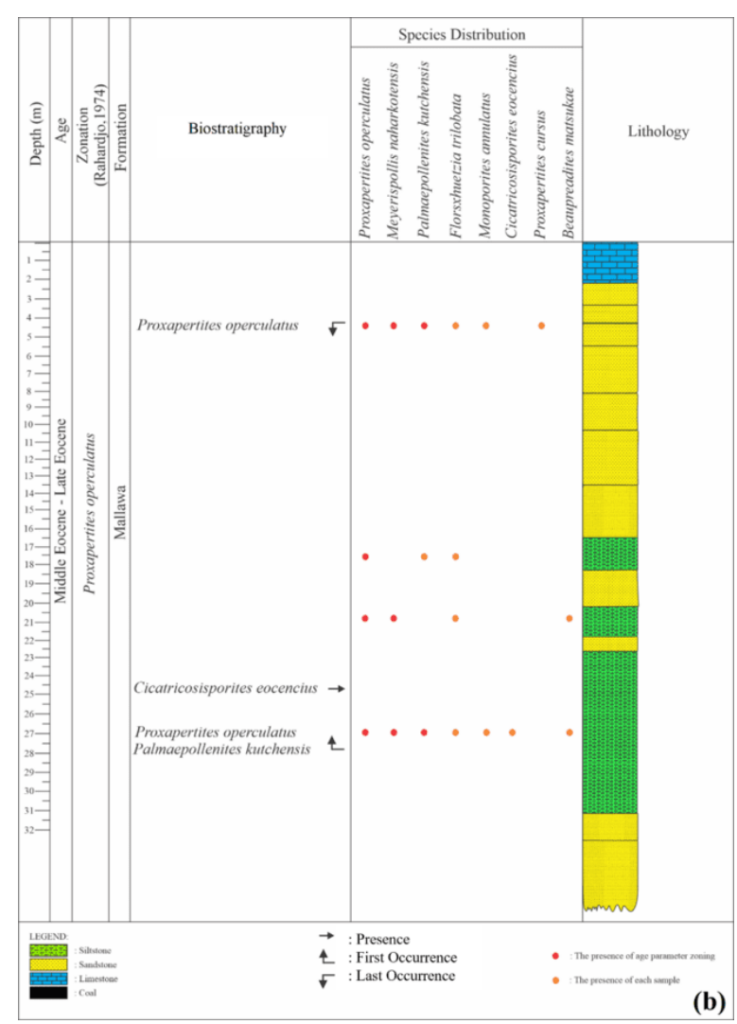
Few natural materials prove as resilient as pollen. Buried for tens of millions of years beneath accumulating sediment, these microscopic grains manage to retain their structural detail with astonishing fidelity. Across two sampling routes — Massenrengpulu and Tellumpanuae — researchers catalogued 26 distinct pollen types alongside 6 spore varieties, assembling from these tiny fragments a coherent portrait of a thriving tropical delta. The evidence pointed to a layered mosaic of mangrove stands, peat swamp forests, lowland tree cover, and vegetation lining ancient waterways — all shaped by the interplay of freshwater currents and coastal tides.
Among the most significant findings was the fossil species Proxapertites operculatus, whose presence served as a reliable geological marker, anchoring the Mallawa Formation firmly within the Middle to Late Eocene timeline.
Reading Climate in Rock
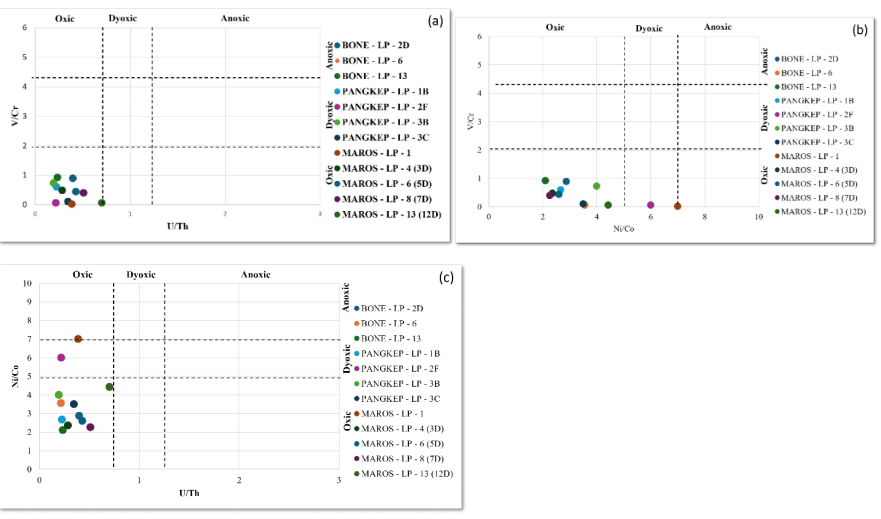
The research extended beyond botany. By examining trace chemical elements embedded in the rock samples, the team reconstructed the climatic and environmental conditions of the era. The ancient climate appears to have been largely semi-humid, punctuated by intermittent dry phases — a pattern that bears a notable resemblance to the tropical climate South Sulawesi experiences in the present day. Meanwhile, dissolved oxygen levels in the prehistoric waters shifted between well-oxygenated and oxygen-depleted states, reflecting the naturally fluctuating character of an active delta system.
Deep Roots of a Living Landscape
The broader significance of this work extends into the realm of conservation and global sustainability. By contributing to our understanding of how tropical ecosystems evolved and adapted over geological timescales, the study offers meaningful support for Sustainable Development Goal 15, which advocates for the protection and restoration of land-based ecosystems. Sulawesi’s forests are globally recognized for their extraordinary biodiversity — tracing their origins back millions of years adds scientific weight to arguments for their continued preservation.
Ultimately, this research stands as a compelling demonstration that the natural world encodes its own history. Locked within grains of ancient pollen is a record of life, climate, and change that predates human memory by an almost incomprehensible span — and one that continues to offer guidance for how we might protect the living world that surrounds us today.
Source Article:
Title: Depositional Environment of Mallawa Formation Using Palynomorphs in the Southern Arm of Sulawesi, Indonesia
Journal: Iraqi Geological Journal, Vol. 58, No. 1D Publisher: Union of Iraqi Geologists
Published: April 30 2025
Authors: Safruddim, Andi M. Imran, Ulva R. Irfan, Meutia Farida, and Nur A. Hidayah (Hasanuddin University, Makassar, Indonesia)
Contact Person: Safruddim
+62 853 4258 9109 | safruddim@unhas.ac.id