The Great Energy Balance: Using Math to Build a Greener, Healthier World
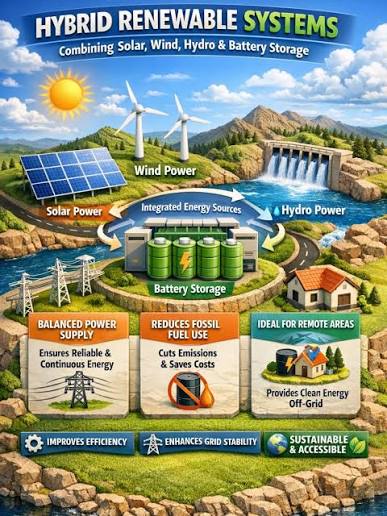
Gowa / 1 February 2019 / Power Systems/- The world is currently in the middle of a massive “energy makeover.” As we move away from fossil fuels, we aren’t just switching to one single source of power. Instead, we are building a complex puzzle of solar, wind, and battery systems. But here is the catch: how do we make these systems cheap enough for everyone, powerful enough to run a city, and clean enough to save the planet—all at the same time? This is the ultimate balancing act of modern engineering.
The Art of the Perfect Compromise
In the world of science, this balancing act is known as “Multi-Objective Optimization.” Imagine you are buying a car; you want it to be fast, but you also want it to be affordable and fuel-efficient. Usually, when you improve one thing, another gets worse. Energy systems are the same. If we want maximum power, the cost might skyrocket. If we want the lowest cost, we might have to sacrifice reliability.
To solve this, researchers use advanced mathematical formulas to find the “sweet spot.” This vital work is explored in a deep-dive academic paper titled “Review on Multi-Objectives Optimization Methods in Hybrid Power Generation.”This influential review was published in the Journal of Engineering Science and Technology Review by the publisher JESTR on February 1, 2019. The article explains that by using smart algorithms, engineers can design hybrid power plants that achieve multiple goals simultaneously, ensuring that no single factor—like cost or environment—is ignored.
Powering a Healthier Future
Why does this mathematical optimization matter to the average person? Because the way we balance our energy directly affects our physical well-being. This technological evolution is a cornerstone of SDG 3: Good Health and Well-being.
When engineers use these optimization methods to create efficient hybrid power systems, they significantly reduce the need for coal-fired power plants. These old plants are major sources of air pollution, which causes respiratory diseases and heart problems in millions of people every year. By optimizing the “mix” of wind and solar through the strategies mentioned in the JESTR publication, we can ensure a steady flow of electricity while cleaning the air we breathe. Achieving SDG 3: Good Health and Well-being becomes much easier when our energy systems are designed to prioritize human health alongside technical performance.
The Path Forward
As we look toward the future, the work published on February 1, 2019, reminds us that the transition to green energy is as much about “smart thinking” as it is about “hard building.” We have the tools to capture the sun and the wind; now, we are mastering the math to make sure those tools work for everyone.
By embracing multi-objective optimization, we aren’t just making energy—we are making a better life. We are proving that with the right data and a commitment to global goals, we can build a world that is not only powered by nature but also protects the very people who live in it. The perfect energy balance is no longer a dream; it’s a calculated reality.
Reference:
DOI: 10.25103/jestr.121.17
Contact:
Syafaruddin
+6282125632817
syafaruddin@unhas.ac.id