MAKASSAR, Indonesia, April 28, 2026/PEDNRG/– Breastfeeding may seem like a personal choice, but this study reveals something deeper: it is a shared social responsibility. What makes this research unique is its focus not only on mothers, but also on fathers, religious leaders, and health workers. Their combined influence shows how culture, belief, and support systems shape infant nutrition in real life.
Exclusive breastfeeding—feeding infants only breast milk for the first six months—is widely known to save lives and improve child development. Yet in many parts of Indonesia, including Palopo City, the practice remains inconsistent. A recent study titled “Exploring the Roles of Mothers, Fathers, Religious Leader, and Health Workers in Exclusive Breastfeeding in Palopo City, Indonesia: A Qualitative Study”, published in the Journal of Qualitative Research in Health Sciences on December 10, 2025, sheds light on why.
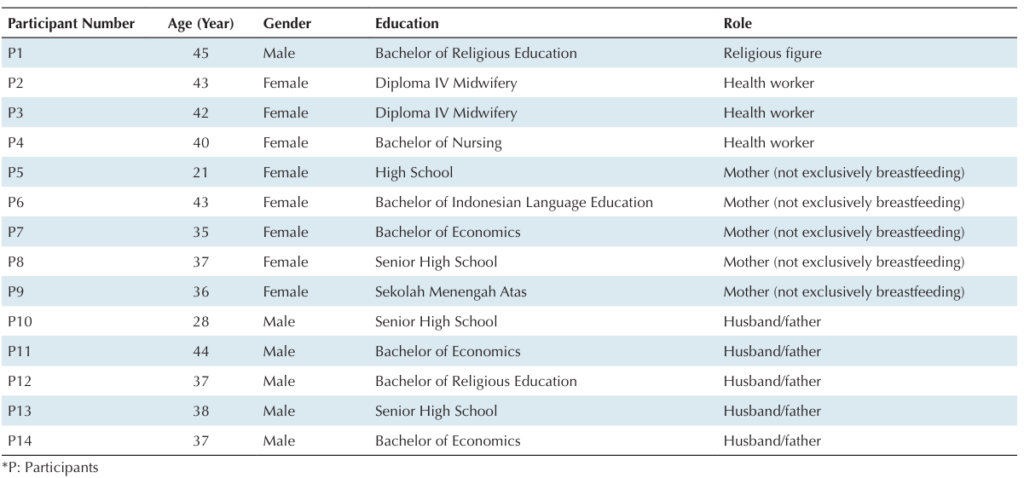
The research highlights that mothers are not the only decision-makers. Fathers play a crucial role in providing emotional and practical support. When fathers are informed and involved, mothers feel more confident and committed to breastfeeding. Unfortunately, when fathers lack awareness, they may unintentionally discourage the practice.
Religious leaders also emerge as powerful influencers. In Palopo, where community life is closely tied to religious values, their encouragement can strengthen positive health behaviors. When breastfeeding is framed as not only a health practice but also a moral or spiritual responsibility, families are more likely to embrace it. Health workers, meanwhile, act as bridges between knowledge and practice. Their guidance helps mothers navigate challenges such as low milk supply, social pressure, or misinformation.
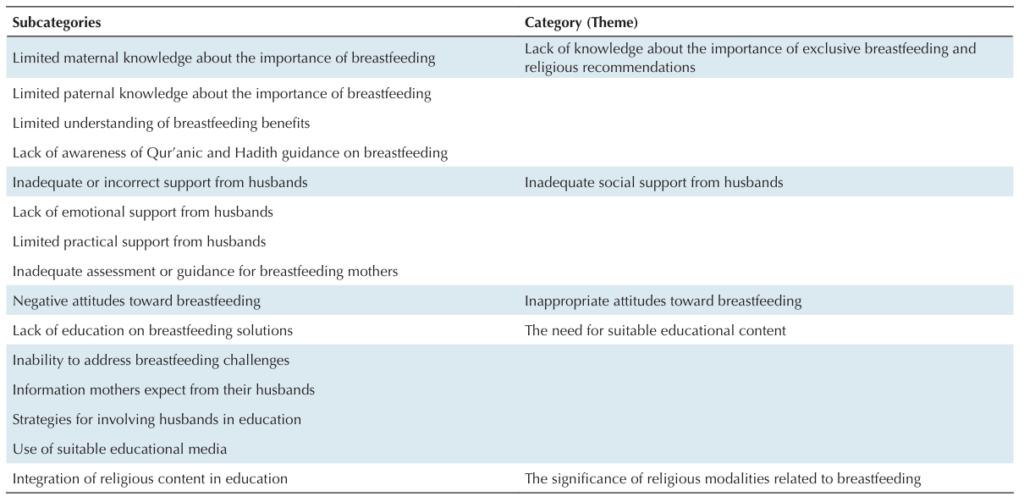
This research strongly connects to SDGs 3: Good Health and Well-being, which aims to reduce child mortality and improve maternal health. Exclusive breastfeeding is one of the simplest, most cost-effective ways to achieve this goal. By ensuring that babies receive optimal nutrition early in life, communities can prevent disease, reduce healthcare costs, and promote long-term well-being. SDGs 4: Quality Education, the study shows that increasing awareness among fathers and families significantly improves breastfeeding practices and knowledge empowers not only mothers but also those who support them.
What makes this study particularly valuable is its qualitative approach. Instead of relying only on numbers, it listens to real voices—mothers sharing struggles, fathers expressing confusion, and community leaders reflecting on their roles. This human-centered perspective provides a richer understanding of the barriers and opportunities surrounding breastfeeding. The findings suggest that improving breastfeeding rates is not just about educating mothers. It requires a collaborative approach involving families, communities, and institutions.
In conclusion, breastfeeding is more than a biological act—it is a social practice shaped by relationships and culture. The Palopo study reminds us that when communities work together, small actions—like supporting a mother—can lead to life-changing outcomes for children.
Reference:
DOI: https://jqr1.kmu.ac.ir/article_92982_516e29bfff06fa6d1d0042037f6e761e.pdf
Contact:
Prof. Kadek Ayu Erika
+62 813-4212-9855
kadek20_uh@yahoo.com
kadekayu@unhas.ac.id