MAKASSAR, Indonesia, April 28, 2026/PEDNRG/– Becoming a parent is often seen as a mother’s journey—but what if fathers hold a powerful, often overlooked role in a baby’s first nutrition? This insight challenges common beliefs and reveals how simple support from fathers can transform breastfeeding success, maternal confidence, and infant health outcomes in meaningful, lasting ways. Breastfeeding is widely recognized as one of the most effective ways to ensure a child’s healthy start in life. Yet, despite global campaigns and strong recommendations from the World Health Organization, exclusive breastfeeding rates remain below target in many countries.
A recent study offers a fresh perspective: the key to improving breastfeeding success may not lie solely with mothers—but with fathers.
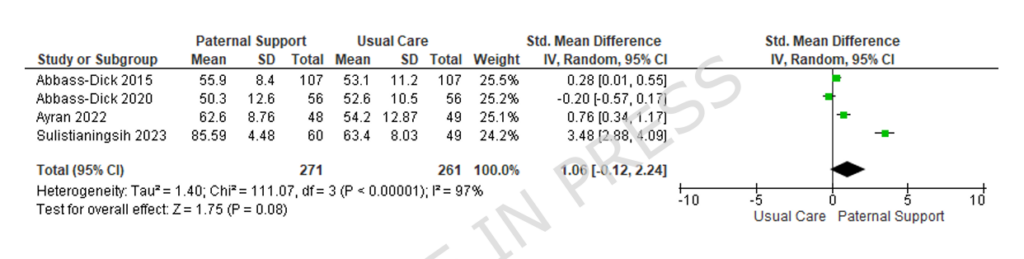
A recent study highlights this often-overlooked role through evidence-based findings. The research “Impact of Paternal Support Interventions on Exclusive Breastfeeding and Breastfeeding Self-Efficacy: A Systematic Review and Meta-Analysis,” published in the International Breastfeeding Journal on March 24, 2026, reveals how structured father-focused interventions—such as education, counseling, and shared caregiving—can significantly improve breastfeeding success and strengthen maternal confidence. This study brings together evidence from six studies involving 716 participants across multiple countries. Conducted by Zulfia Samiun and colleagues, the research explores how targeted interventions involving fathers can influence both the duration of exclusive breastfeeding and a mother’s confidence in her ability to breastfeed.

Fathers who are actively involved—through education, counseling, or shared caregiving—can significantly improve early breastfeeding initiation and increase the likelihood of exclusive breastfeeding, especially within the first four months. Overall, paternal support was associated with a 41% increase in breastfeeding success. Beyond numbers, this support also enhances maternal confidence, known as breastfeeding self-efficacy, which plays a crucial role in sustaining breastfeeding practices.
Why does this matter?
Because breastfeeding is not just a biological act—it is deeply influenced by emotional, social, and environmental factors. When mothers feel supported, encouraged, and assisted, they are more likely to continue breastfeeding despite challenges. Fathers contribute through simple yet powerful actions: offering emotional reassurance, helping with infant care, and reinforcing shared parenting goals.
This study clearly aligns with SDGs 3 (Good Health and Well-Being), which aims to ensure healthy lives and promote well-being for all. By improving breastfeeding practices, paternal support directly contributes to better infant nutrition, stronger immunity, and reduced risk of disease. It also supports maternal mental health, reducing stress and increasing confidence during the postpartum period. Additionally, the research supports SDGs 4 (Quality Education) by emphasizing the importance of educating not only mothers but also fathers in health practices. It also reflects SDGs 17 (Partnerships for the Goals), highlighting how collaborative, family-centered approaches can lead to better health outcomes.
Importantly, this study challenges a long-standing narrative in maternal and child health. In a world striving for better health systems and stronger families, this evidence sends a clear message: empowering fathers is not optional—it is essential.
Reference:
DOI: https://doi.org/10.1186/s13006-026-00833-w
Contact:
Prof. Kadek Ayu Erika
+62 813-4212-9855
kadek20_uh@yahoo.com
kadekayu@unhas.ac.id