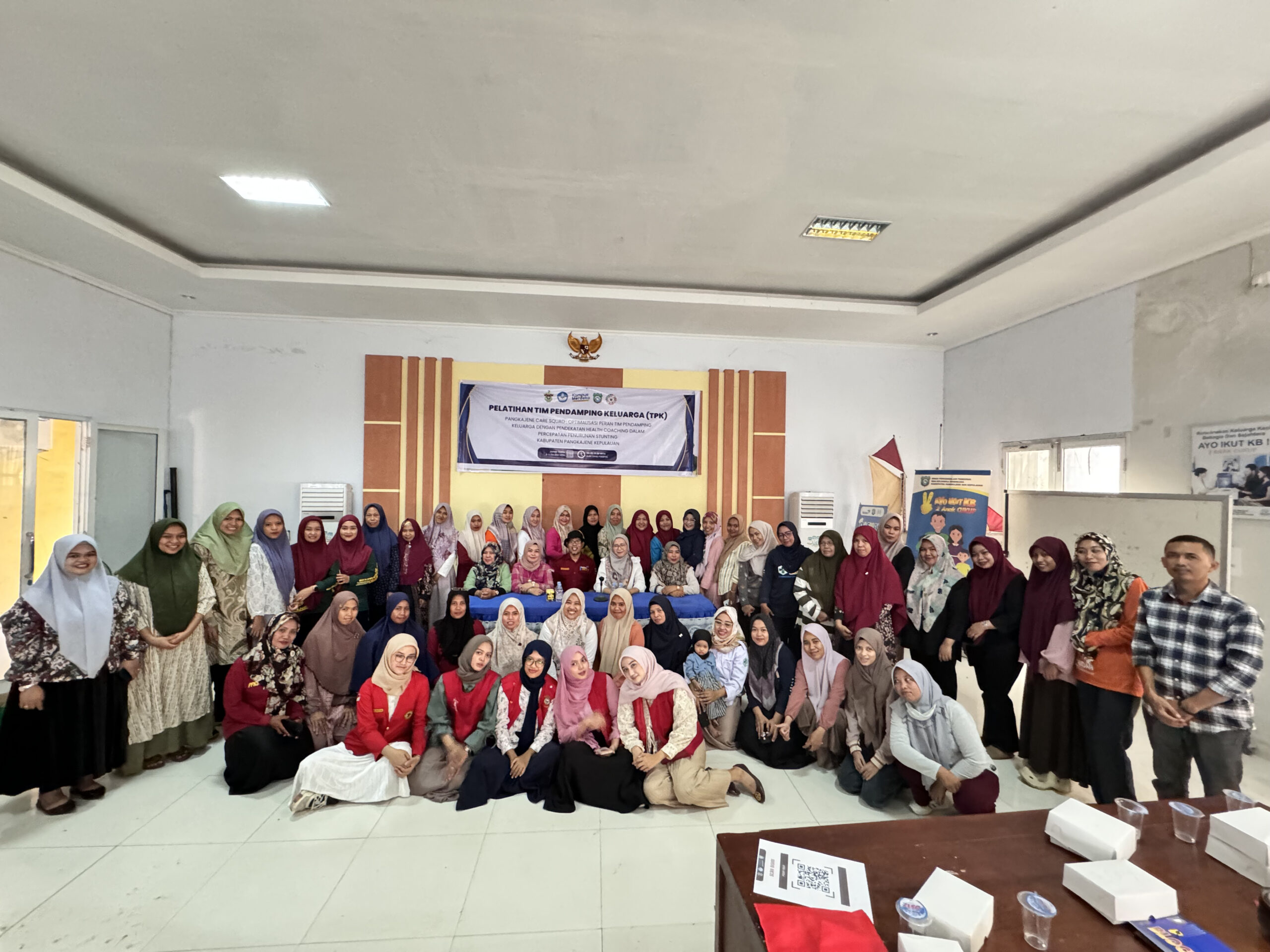

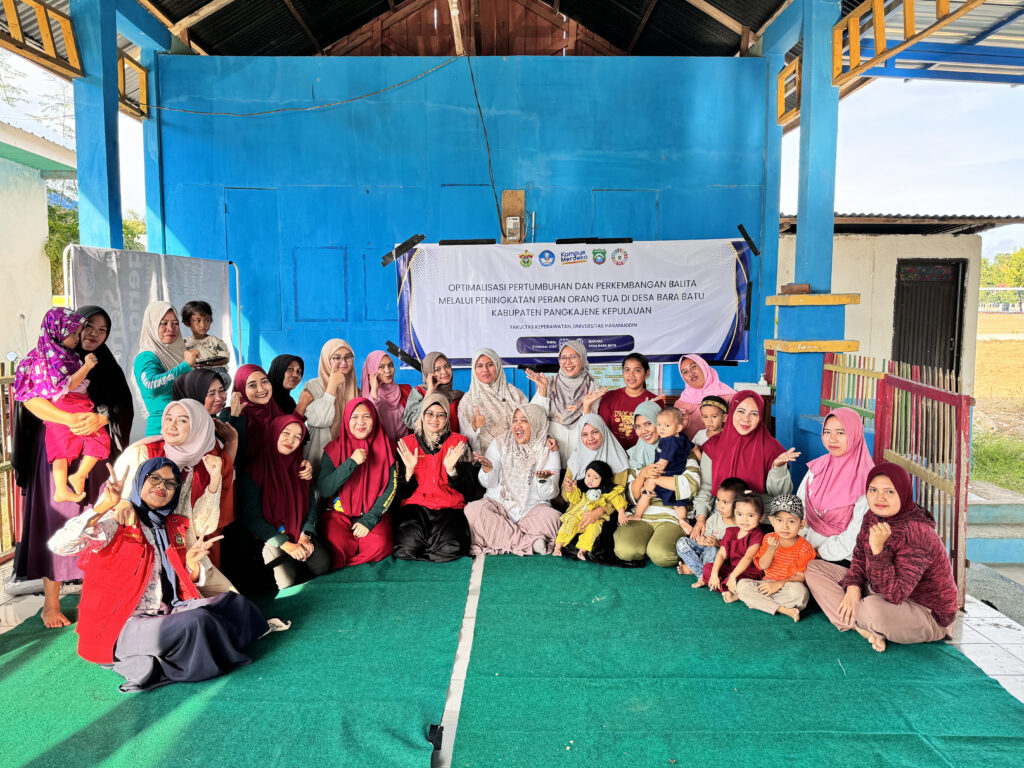
MAKASSAR, Indonesia, April 27, 2026 — As part of our commitment to the Tri Dharma of Higher Education, research, and community service – PEDNRG conducted a community engagement program a community engagement program to address the rising burden of stunting in Pangkajene and Kepulauan Regency. Stunting remains a persistent public health challenge that affects not only child growth but also long-term cognitive development and productivity. In response to this issue, a strategic initiative health coaching innovation to enhance family support teams in stunting prevention. This activity was held at the Dinas Pengendalian Penduduk Keluarga Berencana Pemberdayaan Perempuan dan Perlindungan Anak (P2KBP3A) in Pangkajene and Kepulauan Regency, which invited Family Assistance Teams (TPK) across Labakkang Subdistrict.
In February 2024, the prevalence of stunting in Pangkajene and Kepulauan Regency showed that out of 23,576 children under five measured, 2,046 were identified as stunted. This highlights the need for strengthening frontline health actors. The family support teams was established to support the acceleration of stunting reduction; however, challenges in implementation persist, particularly in communication strategies, family engagement, and decision-making support.
The objective of this activity is to empower family support teams members to enhance parental engagement in child healthcare practices and enable families to make informed health decisions, thereby minimizing the risk of stunting. To achieve this, the program introduced a health coaching approach, this method allows family support teams members to act not only as facilitators but also as motivators and partners for families.
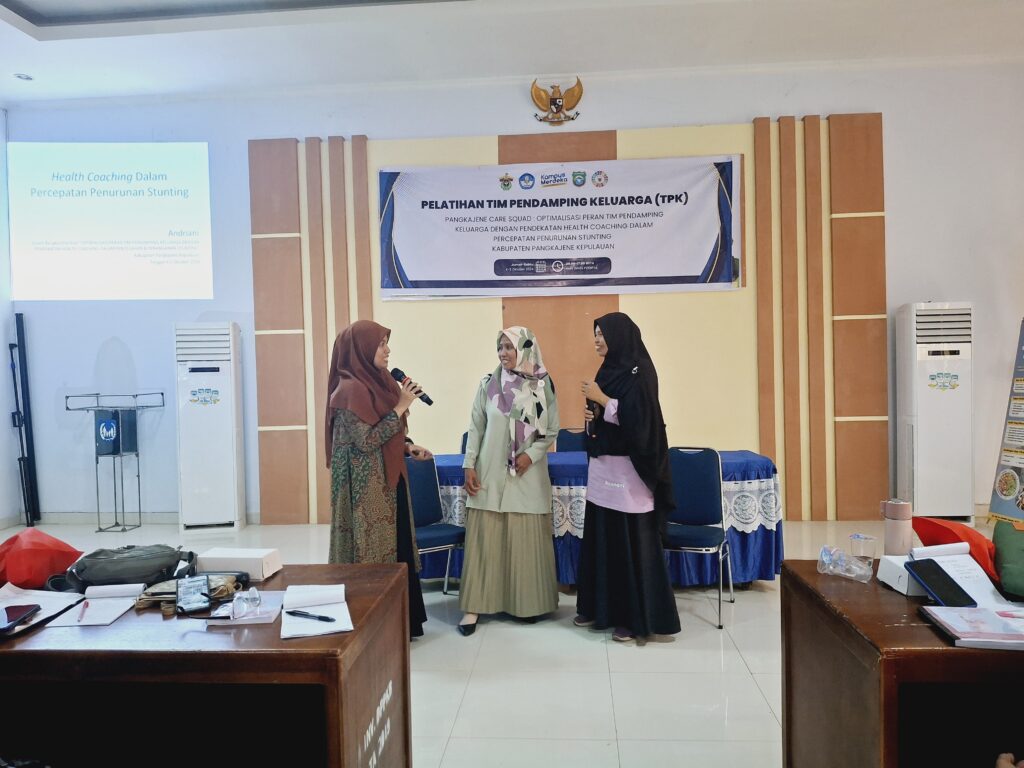
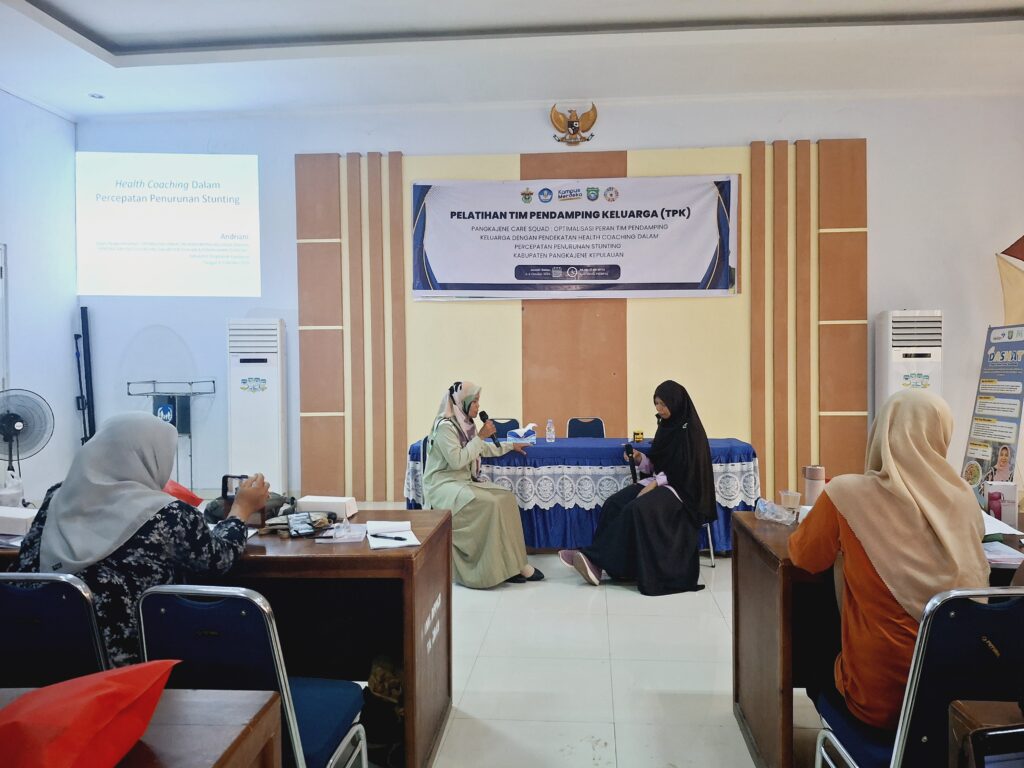
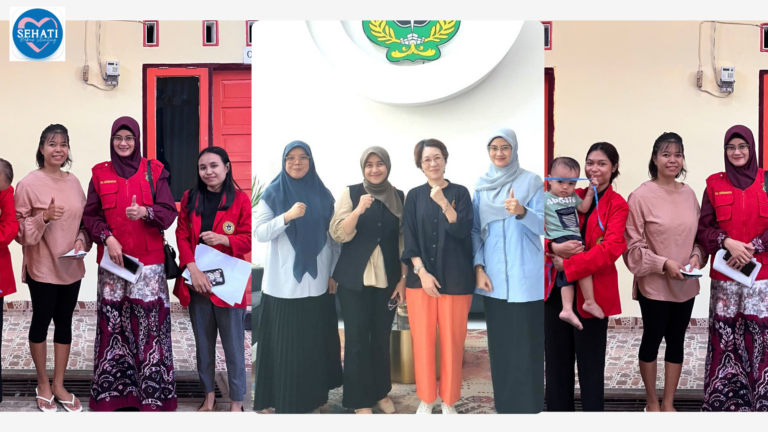
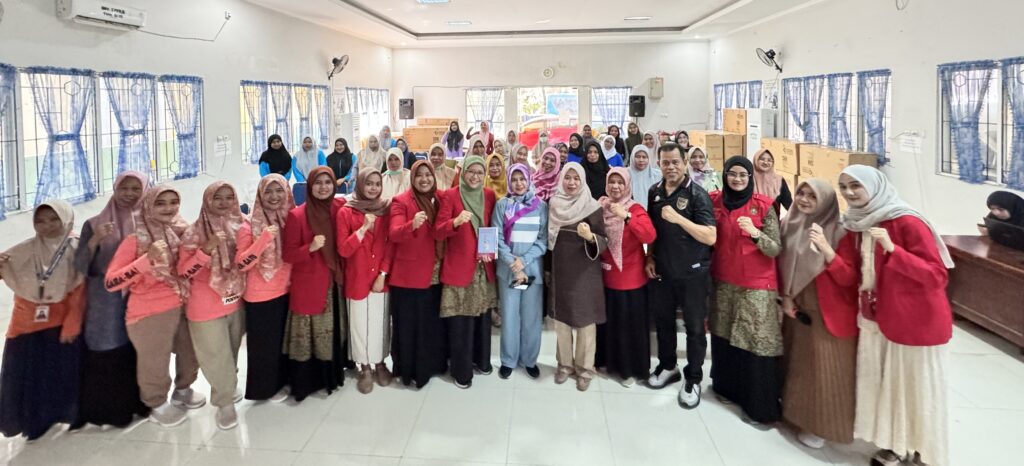
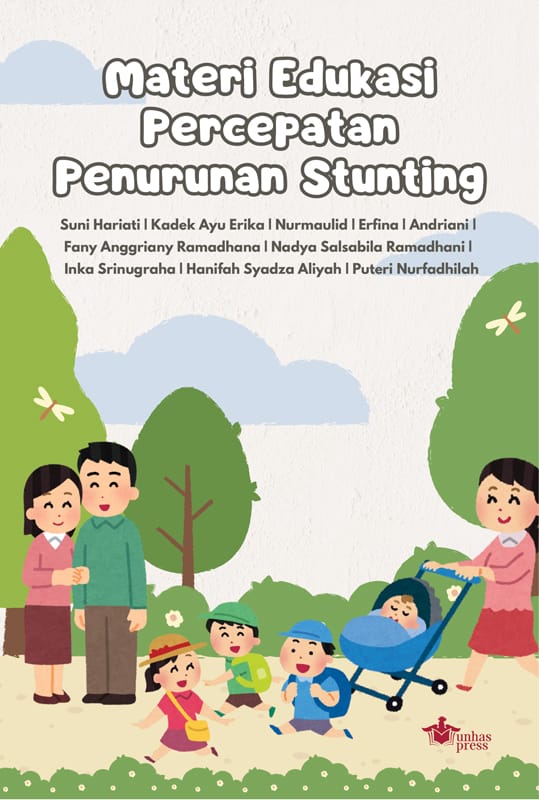
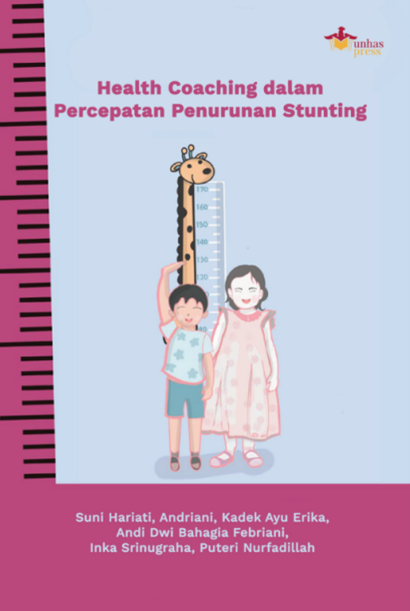
The activity took place on October 4–5, 2024, involving 36 participants consisting of midwives, PKK cadres, and family planning cadres from Labakkang Subdistrict. This activity was implemented through the provision of educational materials on accelerated stunting prevention for all target groups, followed by health coaching training for the family support teams, supported by the distribution of an ISBN-registered handbook on health coaching. After the training, ongoing health coaching assistance was provided to the TPK team, who subsequently conducted home visits.
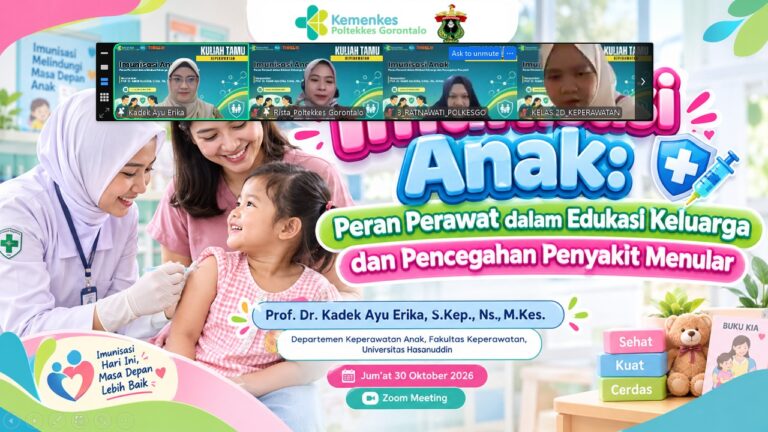
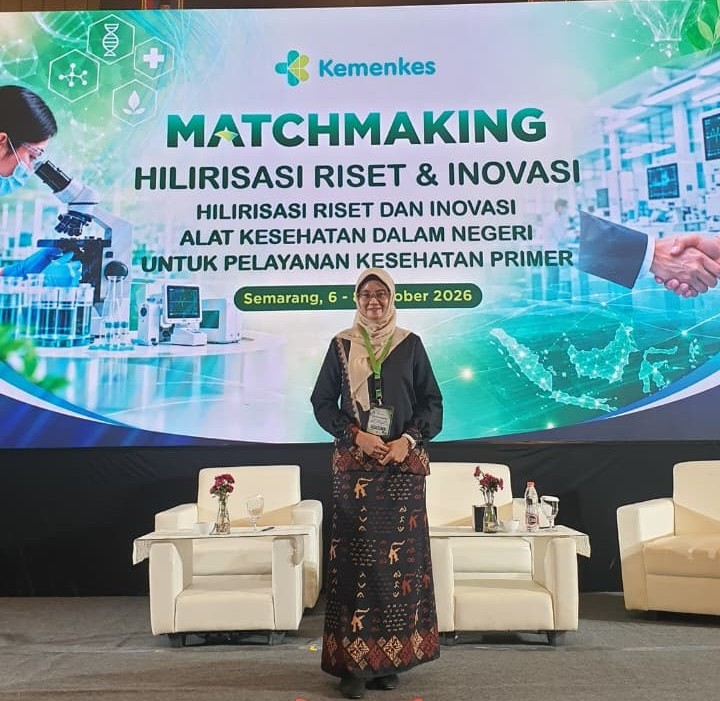
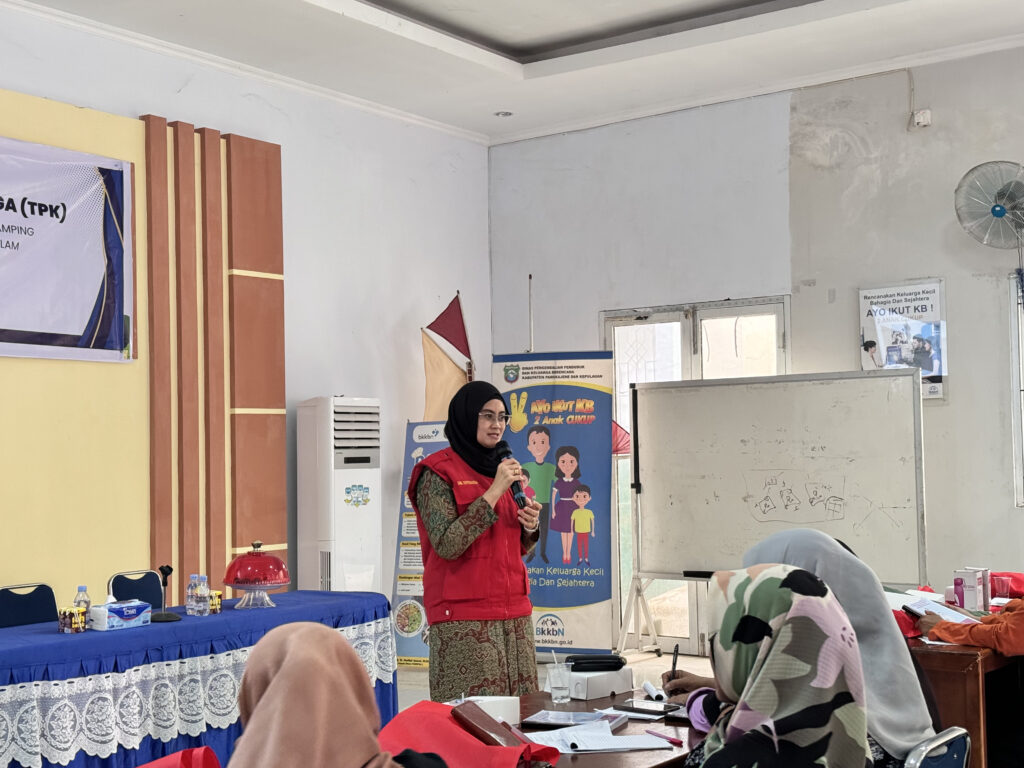
This program was attended and contributed by the PEDNRG Leader, Prof. Dr. Kadek Ayu Erika, S.Kep., Ns., who also served as one of the key speakers, delivering a session on “Stunting Prevention in Children Under Five.”
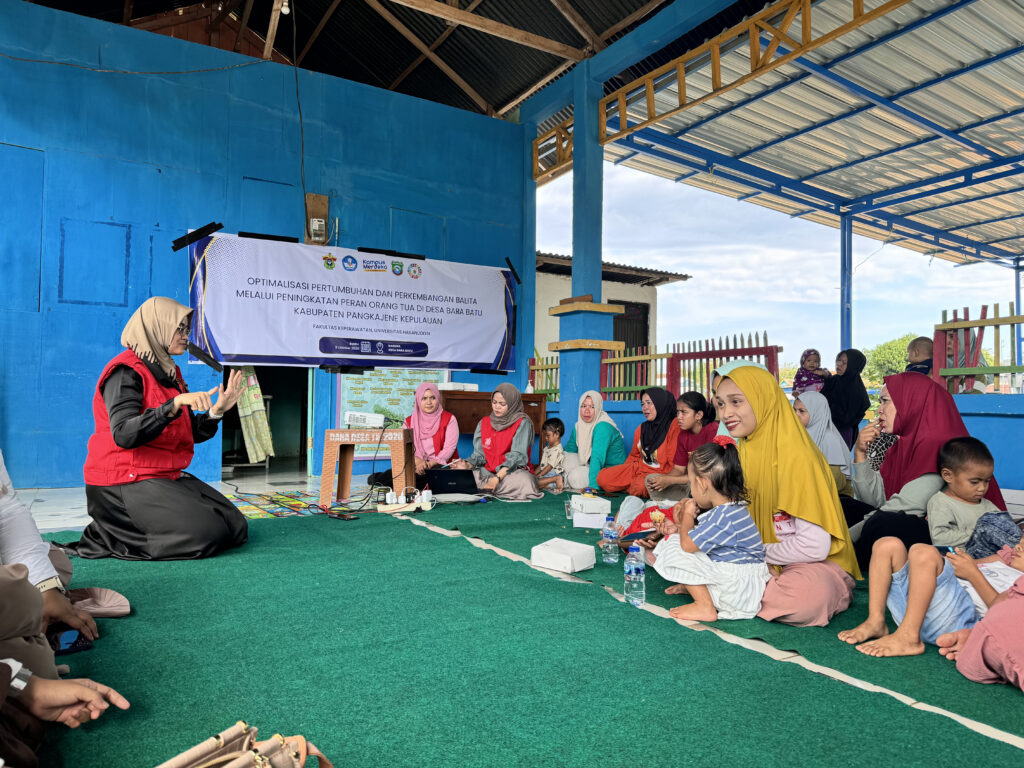
This initiative directly contributes with SDGs 1 (No Poverty) by addressing one of the root causes of poverty-poor child development due to malnutrition. It supports SDGs 3 (Good Health and Well-being) through efforts to reduce stunting and improve child health outcomes. The educational component reflects SDGs 4 (Quality Education), as it enhances the knowledge and competencies of community health workers. Furthermore, the collaborative nature of this program embodies SDGs 17 (Partnerships for the Goals), involving multi-sectoral coordination between government agencies, healthcare workers, and community stakeholders.
In more forward, optimizing the role of family support teams through health coaching is a promising and sustainable strategy in accelerating stunting reduction. By strengthening human resources at the community level and fostering active family participation, this initiative contributes to building healthier, more resilient future generations.