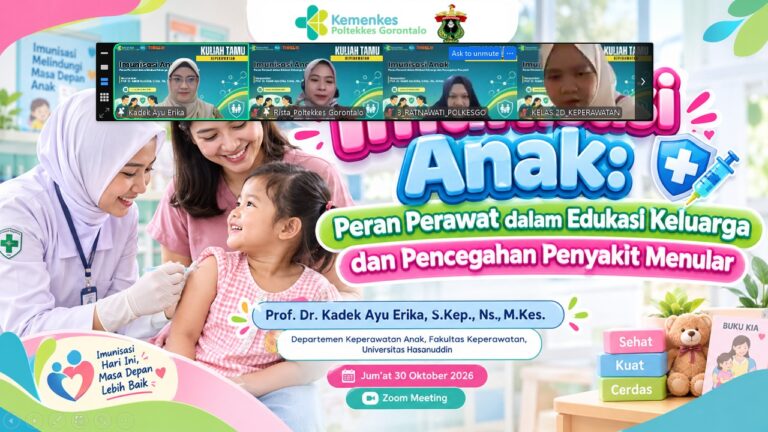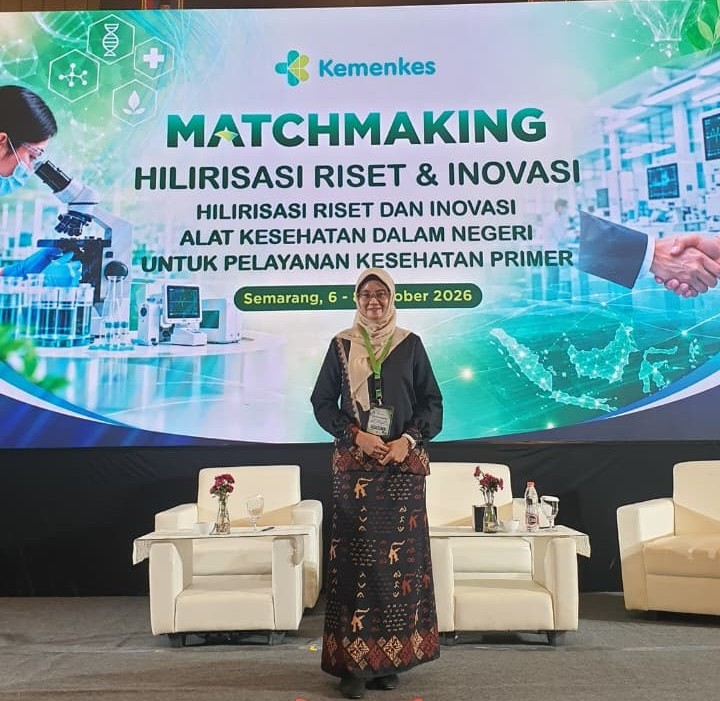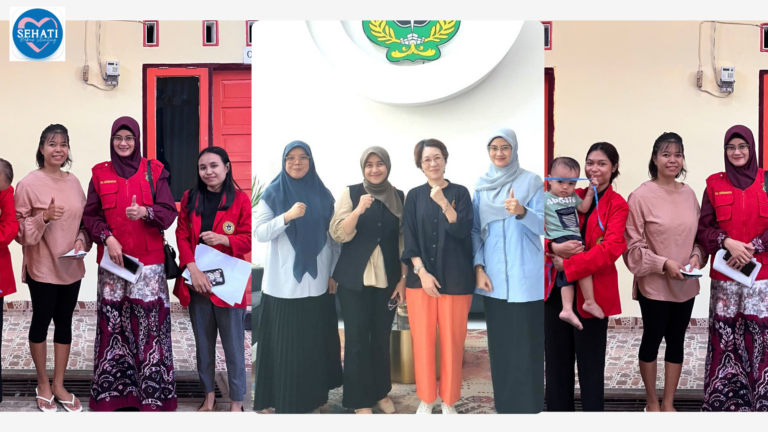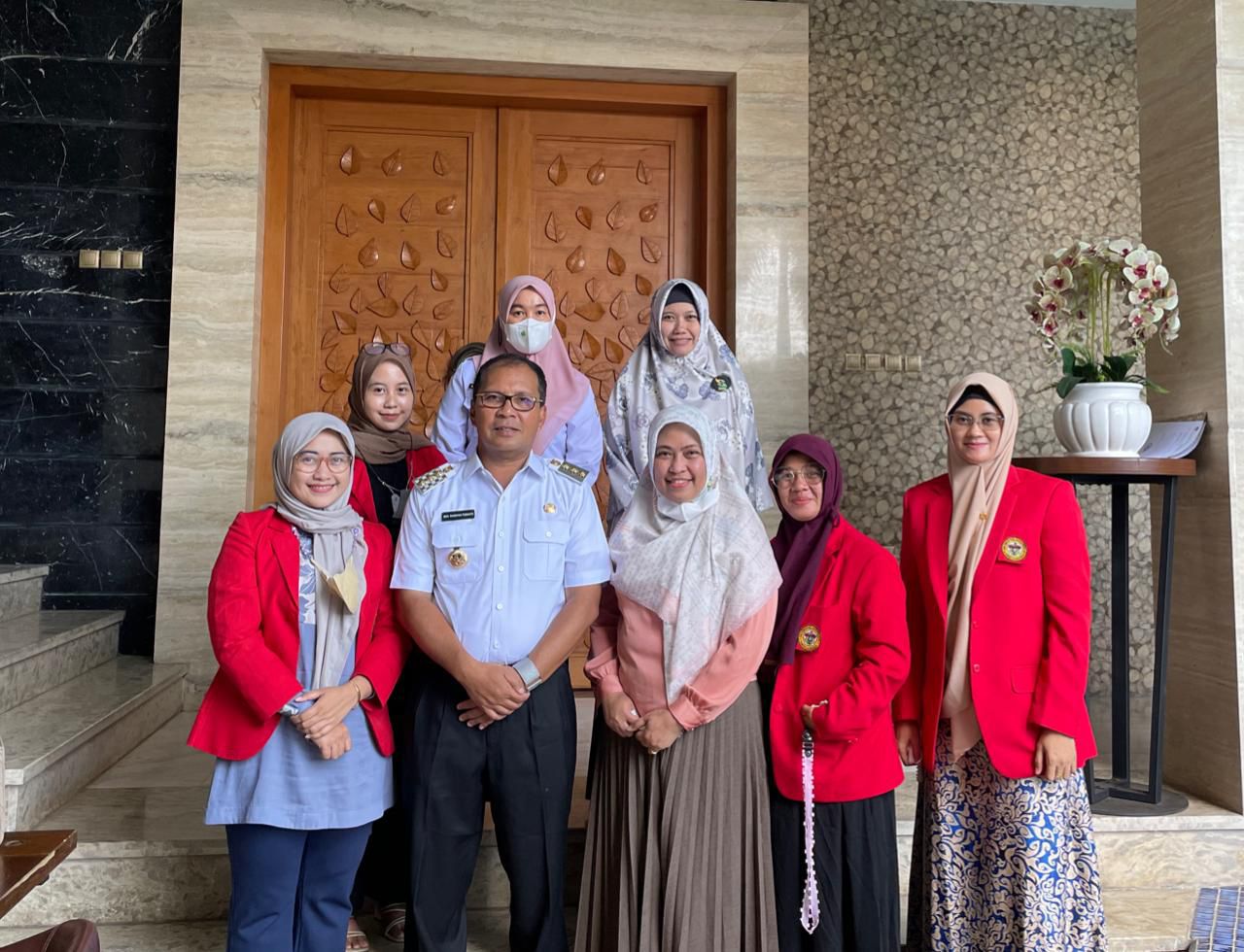

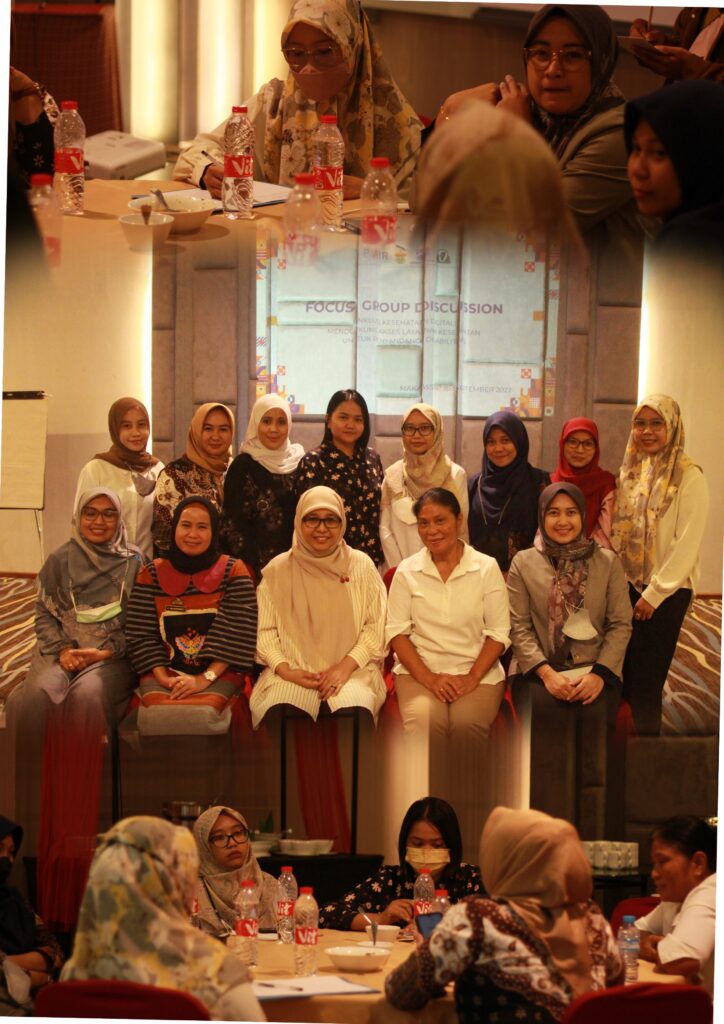
South Sulawesi, Indonesia, April 18, 2026 – The activity was also attended leader of PEDNRG by Prof. Dr. Kadek Ayu Erika, S.Kep., Ns., M.Kes., and lecture by Nur Fadilah, S.Kep., Ns., MN., from Hasanuddin University. Organized in collaboration with international partner Dr. Misita Anwar from Monash University, highlighting strong interdisciplinary and international collaboration. A research initiative Digital health inclusion: supporting access to healthcare for people with disabilities was implemented across Makassar City, Gowa Regency, and Takalar Regency. This activity on January 10, 2022.
This activity aimed to understand the information needs and challenges faced by people with disabilities (PwD), particularly youth with disabilities (YwD) aged 16–30 years, in accessing digital health services. Amid the rapid growth of digital health technologies, unequal access remains a critical issue, particularly for vulnerable populations such as PwD. Many digital platforms are still not designed with accessibility in mind, limiting their effectiveness. In response, this research applied qualitative methods, including focus group discussions and in-depth interviews with multiple stakeholders in South Sulawesi. A total of 149 participants were involved, consisting of 58% from Makassar, 26% from Gowa, and 16% from Takalar, ensuring diverse representation across regions.
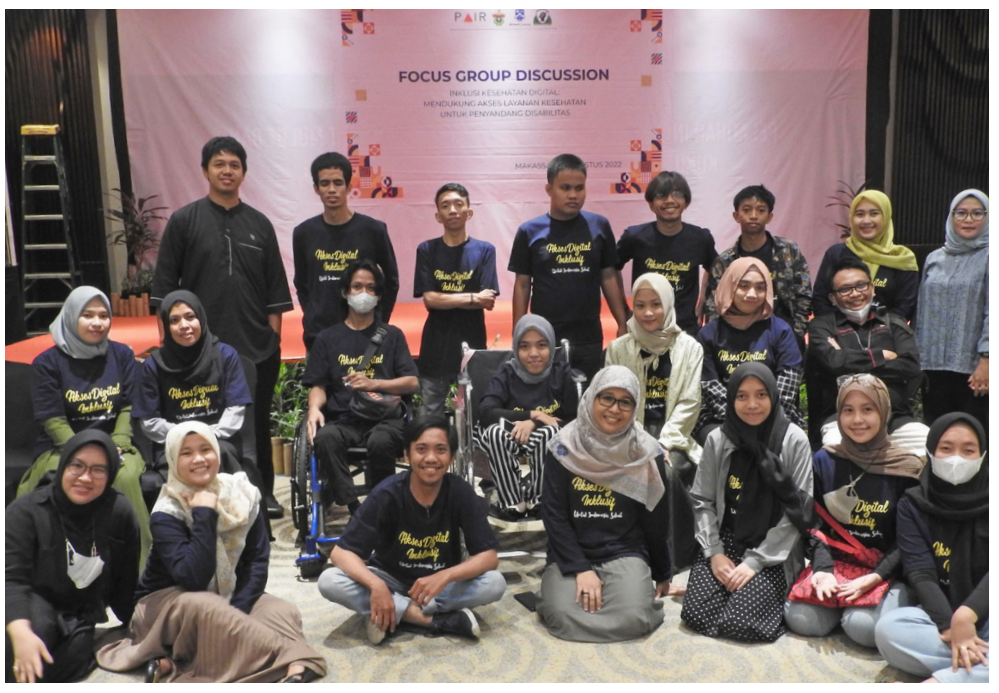
The findings highlight significant challenges across multiple levels. At the individual level, access is influenced by digital literacy, accessibility, self-efficacy, and acceptance of technology. Participants with sensory disabilities, for instance, reported barriers due to inaccessible information formats and limited assistive technologies. At the interpersonal level, reliance on family members, limited availability of health information, and interactions with healthcare providers shape access, emphasizing the need for better communication and awareness.
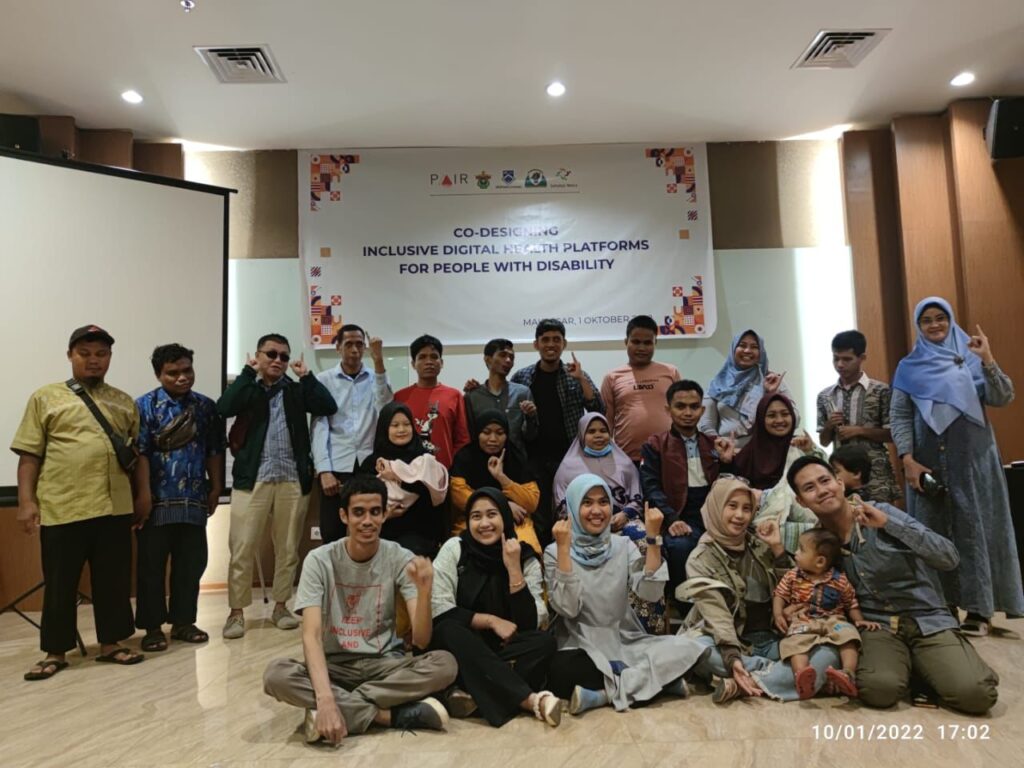
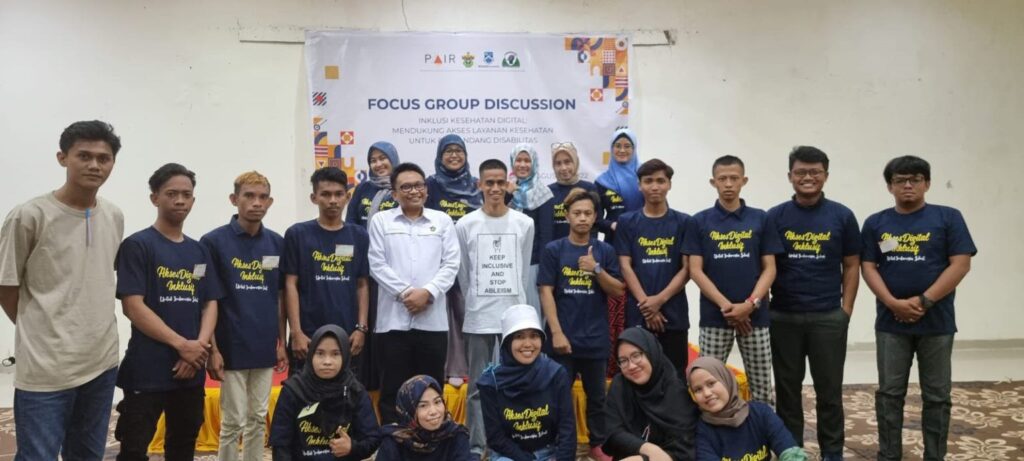
At the community level, the availability of disability-friendly digital health infrastructure and government-supported technologies is essential to ensure participation. Meanwhile, at the societal level, local policies, the availability of disability-related data, and societal attitudes significantly affect the adoption of digital health services. These findings underscore the importance of inclusive design and targeted strategies to improve access to health information for PwD.
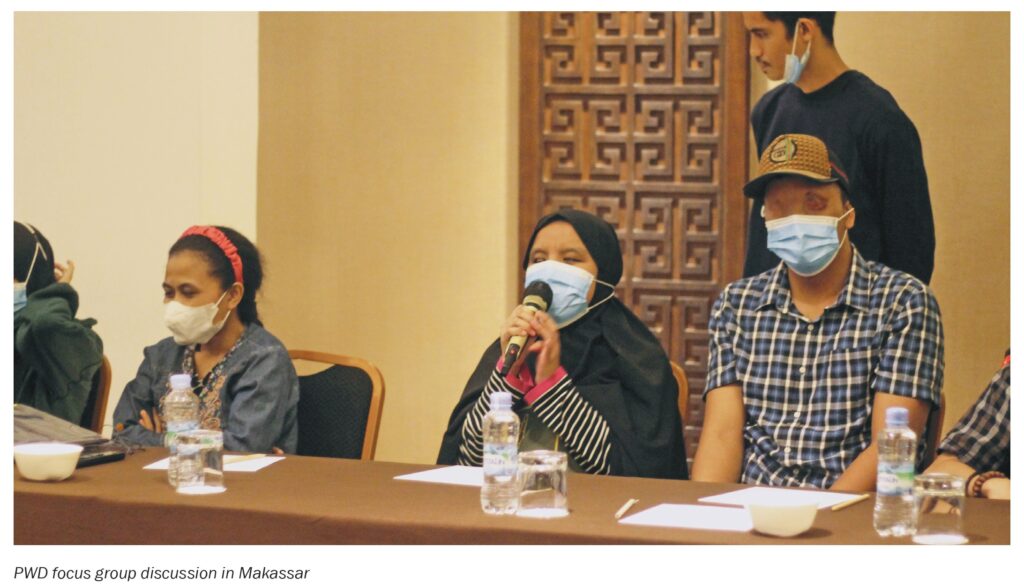
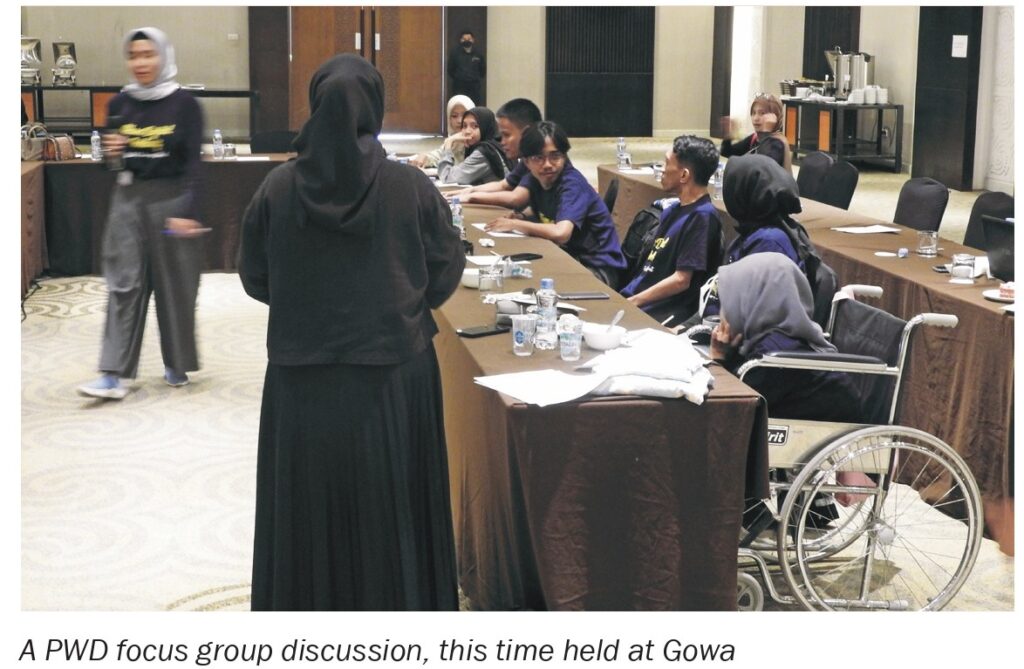
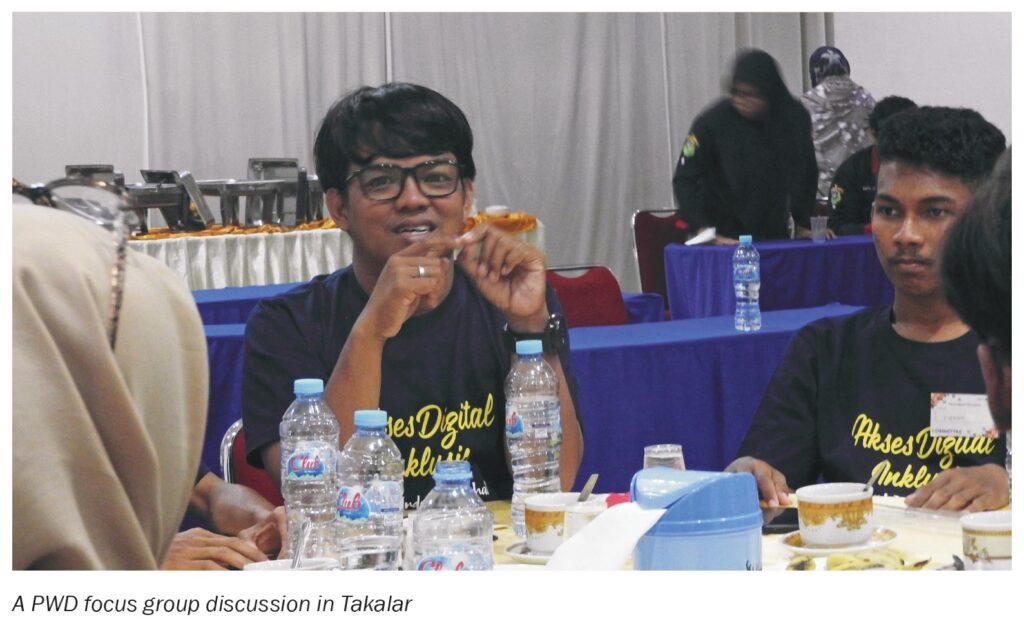
This initiative was supported by The Partnership for Australia-Indonesia Research (PAIR), funded by the Australian Government and implemented by the Australia-Indonesia Centre, a bilateral collaboration that promotes evidence-based solutions to development challenges and strengthens research partnerships between Indonesia and Australia .
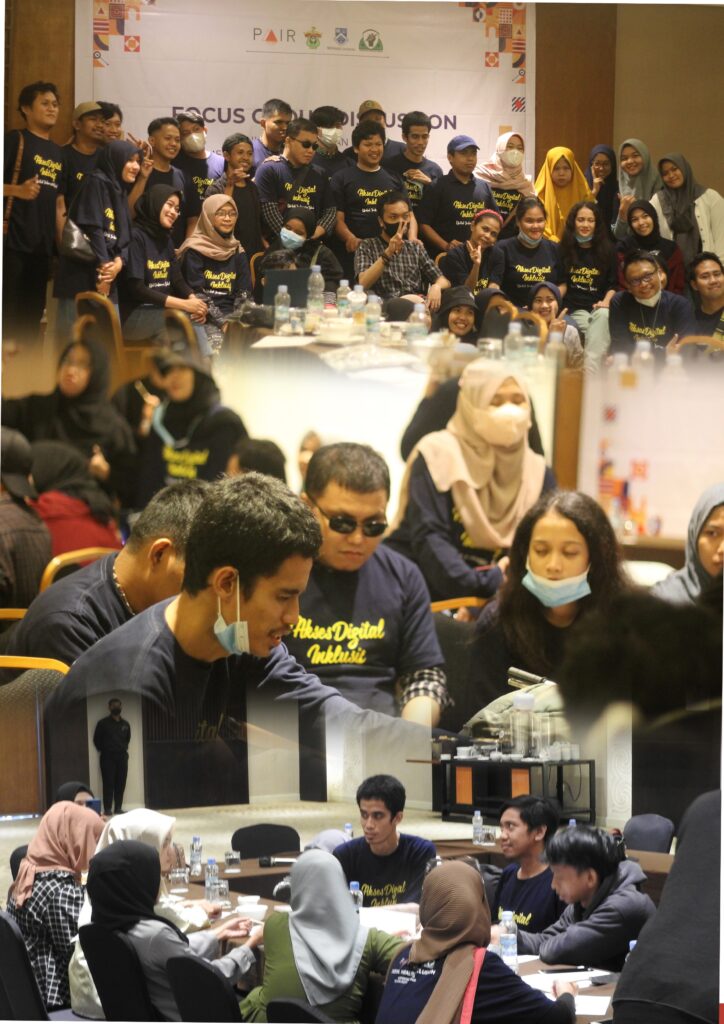
Ultimately, this activity demonstrates that inclusive digital health is not only a technological advancement but also a pathway toward social equity. By strengthening digital literacy and ensuring accessibility, the initiative contributes to strengthening accessibility and digital literacy not only improves health outcomes SDGs 3 (Good Health and Well-being) but also enhances knowledge and empowerment through access to information SDGs 4 (Quality Education). Furthermore, reducing barriers to health services contributes to broader social protection and economic inclusion SDGs 1 (No Poverty) while reinforcing cross-border collaboration SDGs 17 (Partnerships for the Goals) to ensure that no one is left behind in the digital transformation of healthcare.
Reference
Publisher: Australia-Indonesia Centre (AIC): https://pair.australiaindonesiacentre.org/wp-content/uploads/2024/01/PAIR_-Rapid-assessment-on-potential-digital-application-for-people-with-disability-1.pdf
Google Scholar: https://scholar.google.com/citations?view_op=view_citation&hl=en&user=IOJPO6YAAAAJ&sortby=pubdate&citation_for_view=IOJPO6YAAAAJ:bEWYMUwI8FkC