
MAKASSAR, Indonesia, April 27, 2026 — Adolescence represents a critical developmental stage in which individuals begin to shape their identity, values, and future aspirations. However, this period is often marked by an imbalance between ideal self and self-actualization, which may influence self-confidence, emotional well-being, and academic motivation. Addressing this gap requires structured interventions that not only promote self-awareness but also guide students in aligning their personal goals with their real-life potential. In response to this need, a program fostering student self-development through personal review for future excellence, was successfully conducted at SMAN 1 Barru, Barru Regency, South Sulawesi. This activities aimed to increase students awareness of self-reflection, help them recognize their strengths and weaknesses, and equip them with long-term self-actualization strategies.
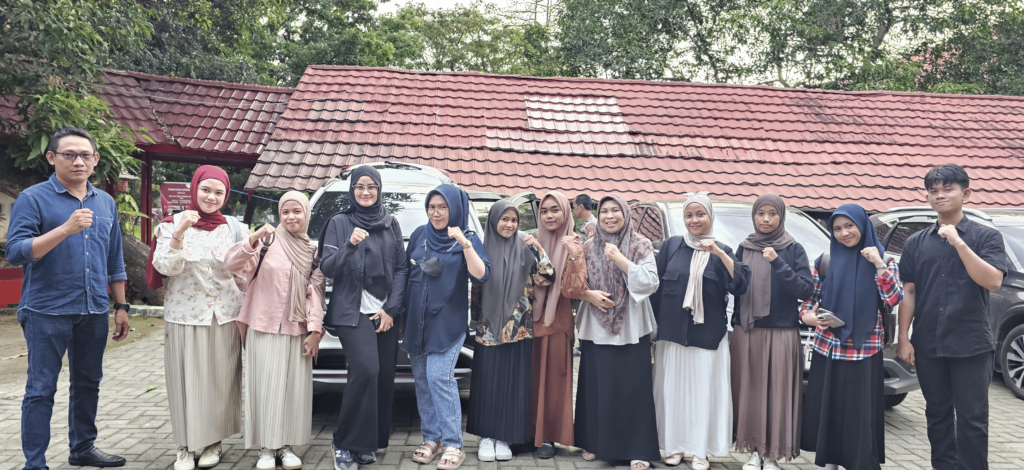
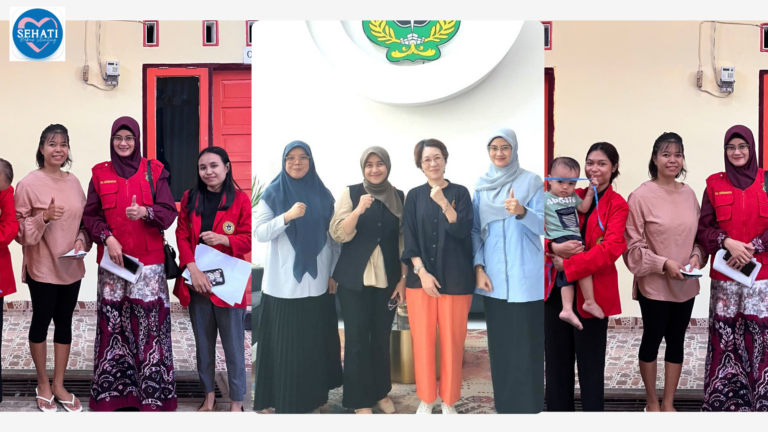
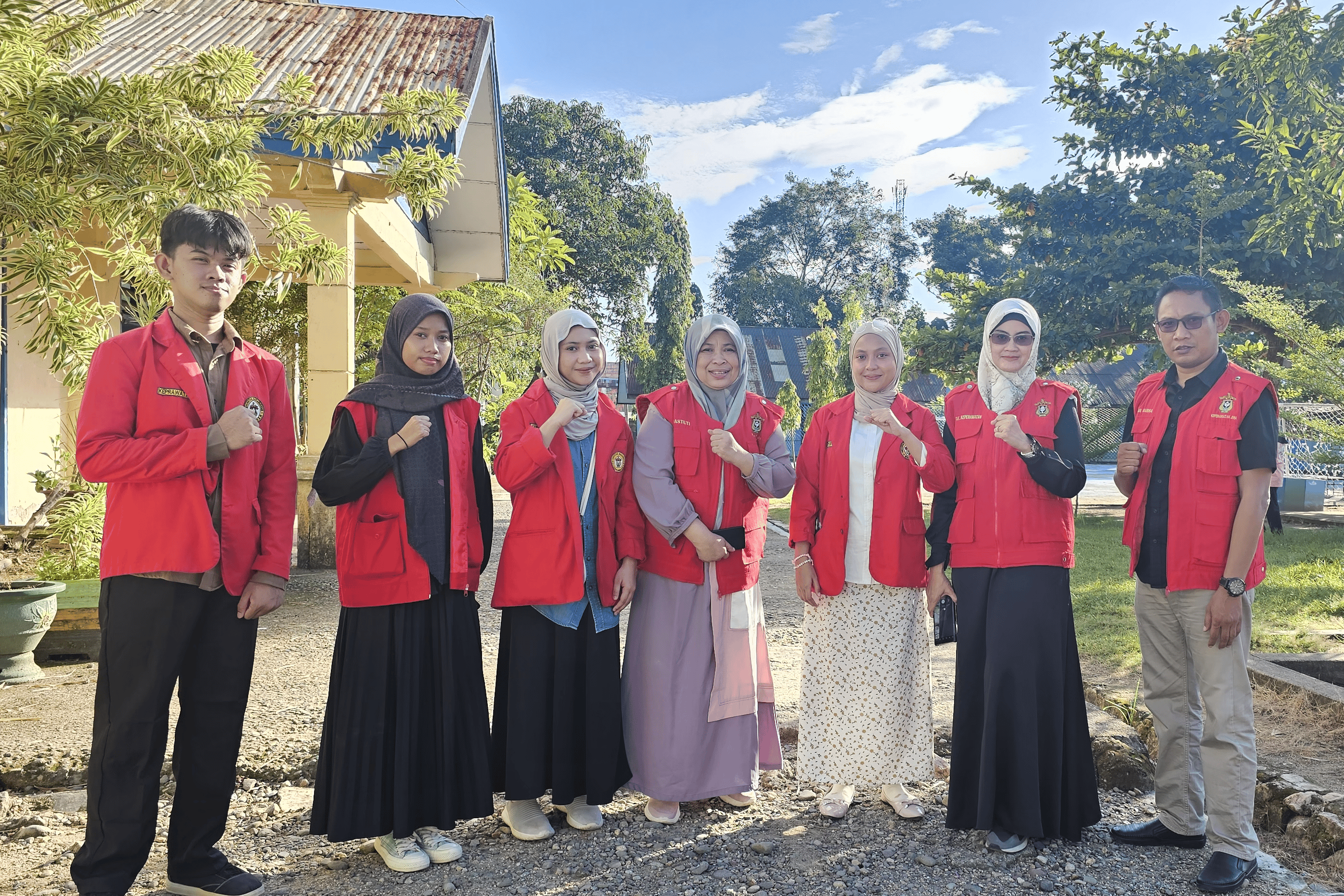
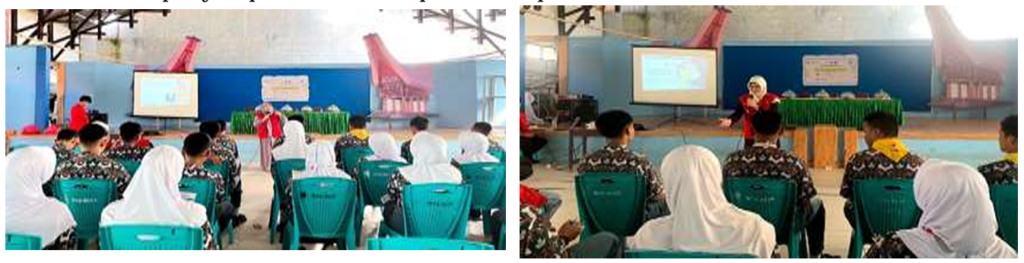
The activity was held on Thursday, June 19, 2025, involving 50 participants from grades VII, VIII, and IX aged 15–20 years. Through interactive sessions, guided reflections, and practical exercises, students were introduced to the concept of personal review as a tool for continuous self-improvement. This approach enables adolescents to better understand their internal capacities, set realistic personal goals, and develop strategies to achieve them in a structured and sustainable manner.
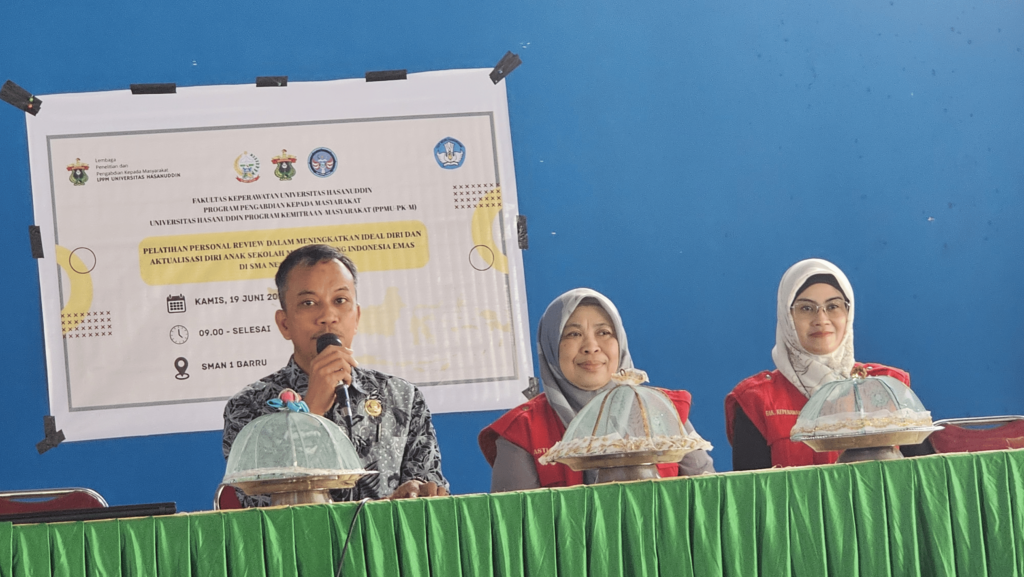
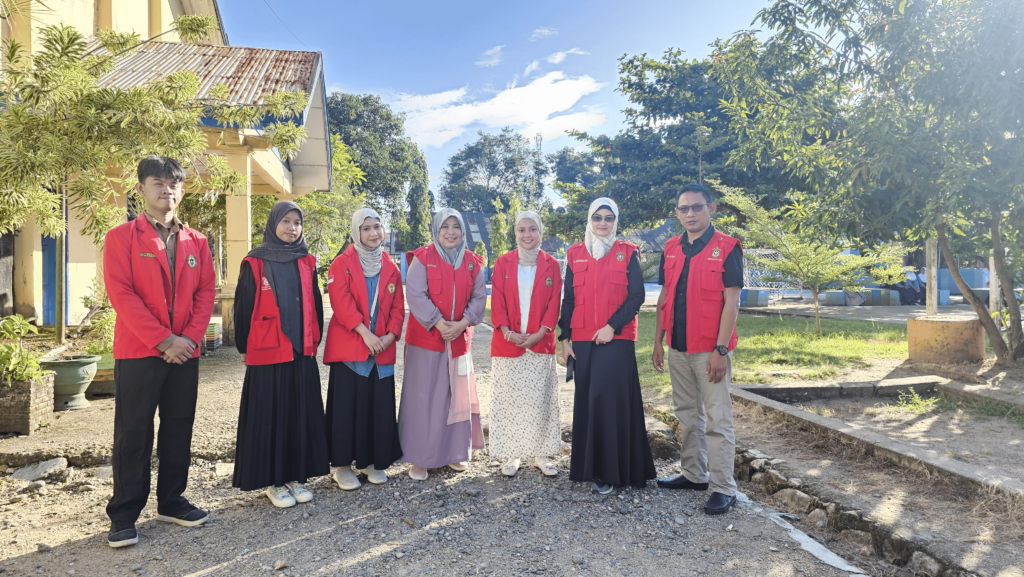
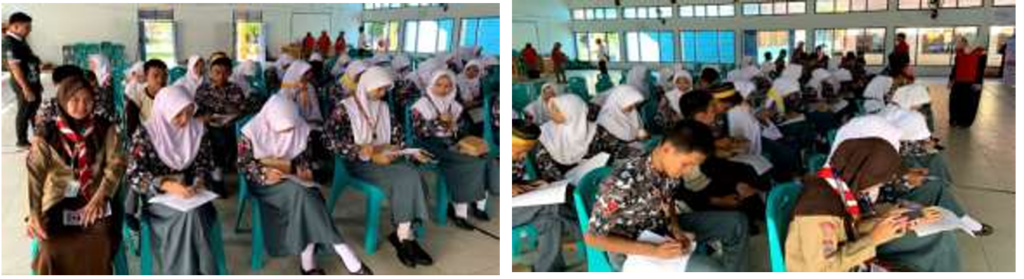
The personal review training emphasized reflective thinking, emotional awareness, and goal-setting techniques. Students were encouraged to evaluate their current conditions, identify gaps between their ideal self and actual performance, and design actionable plans for improvement. By fostering this reflective practice, the program contributed to strengthening students’ self-efficacy, resilience, and intrinsic motivation-key elements in preparing a generation that is ready to contribute to Indonesia’s future development. The implementation of this program included coordination with the school, development of questionnaires, delivery of interactive educational sessions, and evaluation through pre-test and post-test assessments.
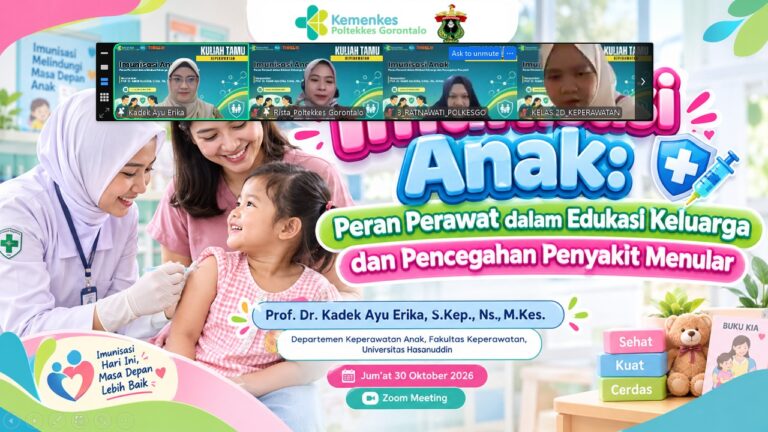
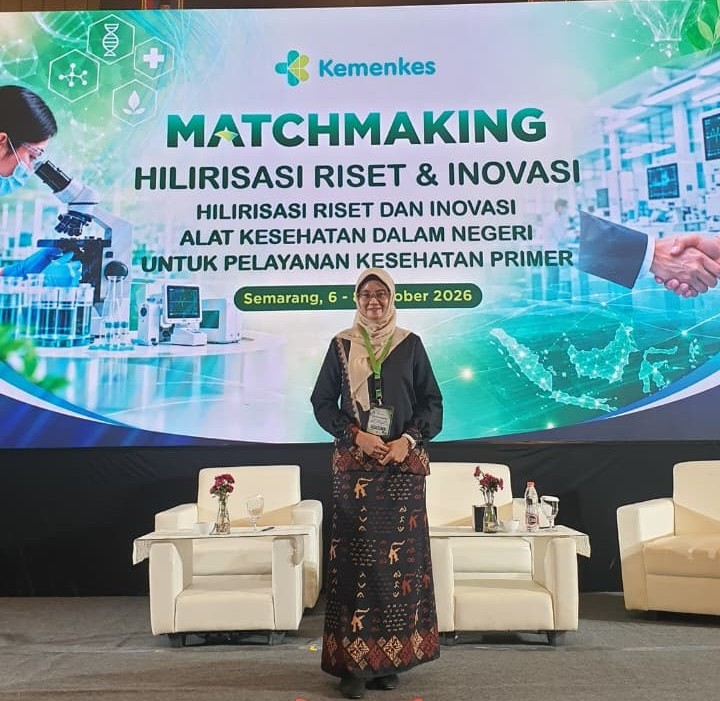
This program was attended and contributed by the PEDNRG Leader, Prof. Dr. Kadek Ayu Erika, S.Kep., Ns., M.Kes., who also served as one of the key speakers, delivering a session on “Enhancing Self-Actualization Through Personal Review”.
This initiative aligns with to SDGs 4: Quality Education by enhancing students’ cognitive and personal development through structured learning approaches. It supports SDGs 3: Good Health and Well-being by promoting mental and emotional well-being among adolescents. Additionally, it relates to SDGs 1: No Poverty, as improving self-capacity and educational outcomes can reduce long-term socioeconomic disparities. Furthermore, the collaborative nature of this activity reflects SDGs 17: Partnerships for the Goals, involving educational institutions and community-based initiatives in fostering youth development.
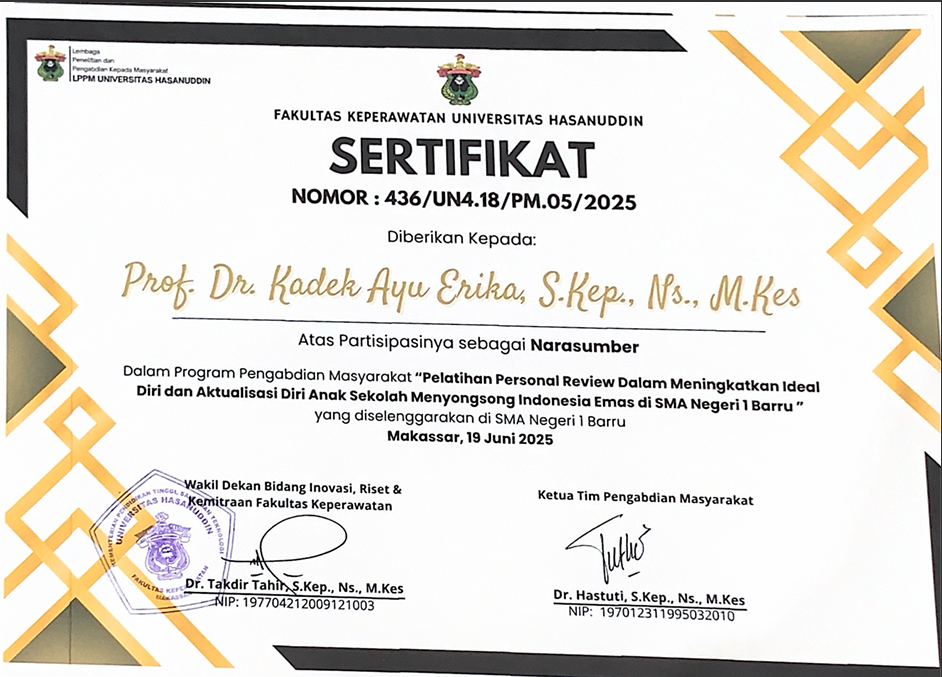
In future, the implementation of Personal Review training serves as an effective and sustainable strategy in bridging the gap between ideal self and self-actualization among adolescents. By equipping students with reflective skills and future-oriented thinking, this program plays a vital role in shaping confident, adaptive, and goal-driven individuals. Such efforts are essential in preparing a generation that is not only academically competent but also psychologically resilient, ultimately contributing to the realization of Indonesia Emas.