


On March 29, 2026, an innovative research activity was conducted at the Laboratory of Plant Disease, Department of Plant Pests and Diseases, Universitas Hasanuddin. This initiative focused on the implementation of deep learning techniques—specifically Convolutional Neural Networks (CNN) models and the YOLO (You Only Look Once) method—to intelligently detect the progression of diseases in cocoa leaves. The activity involved 6 participants, comprising researchers and technical contributors dedicated to advancing agricultural technology.
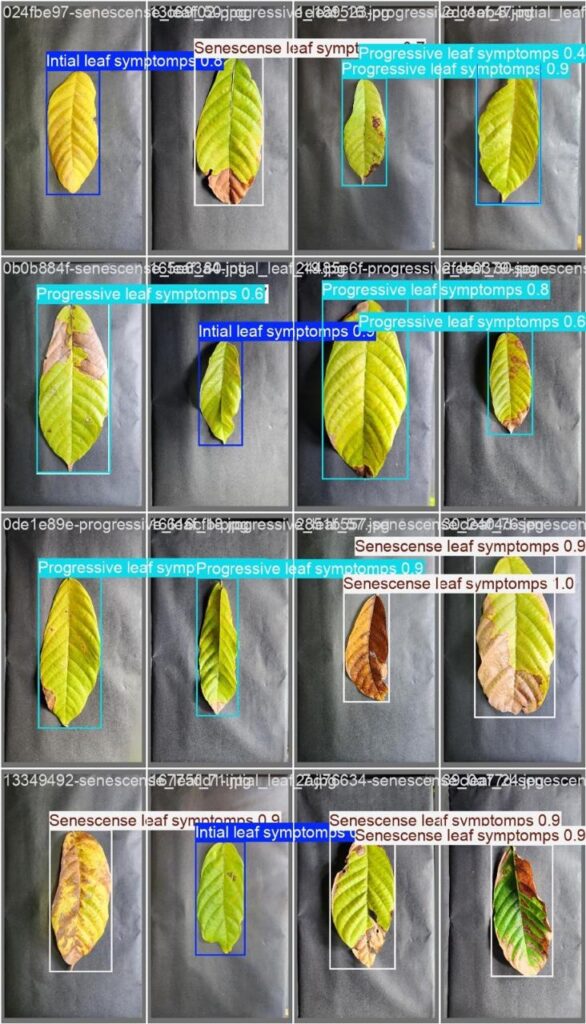
Cocoa is a vital commodity for many farming communities, yet its productivity is often threatened by various leaf diseases. Traditional detection methods typically rely on manual observation, which can be time-consuming, subjective, and prone to error. Recognizing these limitations, this activity aimed to leverage computer vision and artificial intelligence to create a more accurate, efficient, and scalable solution for disease detection.
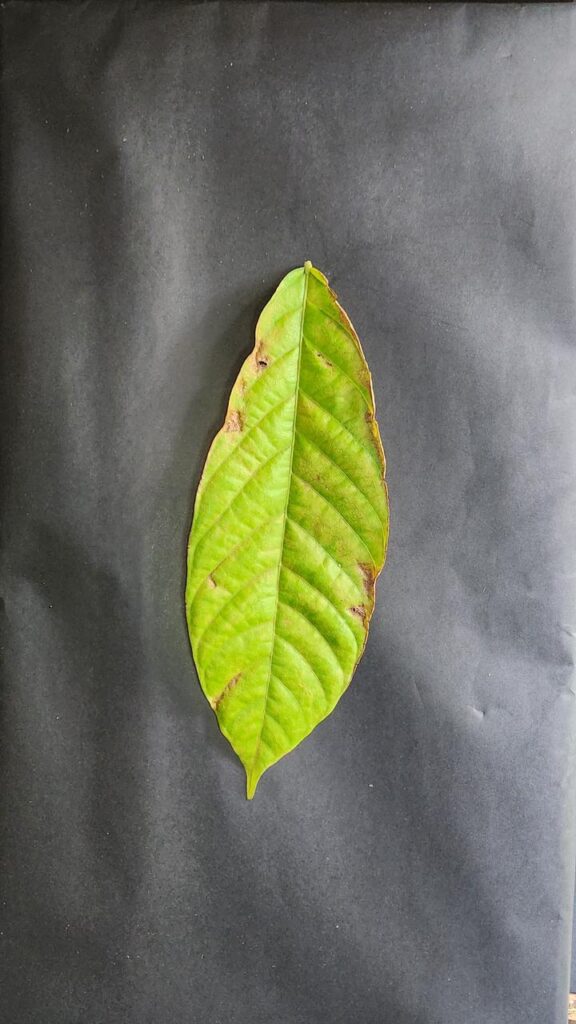
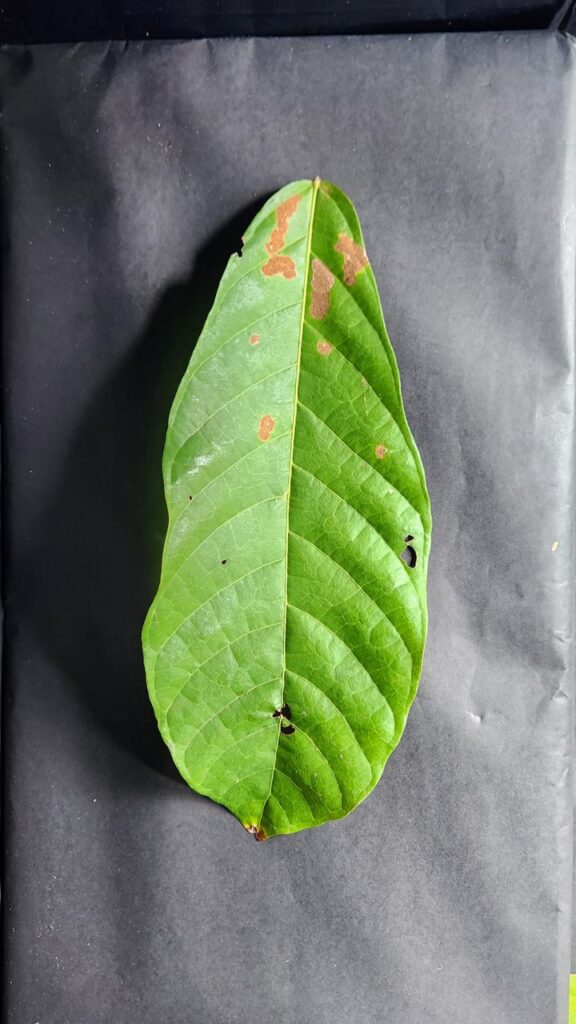
The implementation process began with the collection and preparation of cocoa leaf image datasets representing different stages of disease progression, including early symptoms, moderate infection, and severe damage. These images were then used to train CNN models capable of extracting complex visual features. Complementarily, the YOLO method was applied to enable real-time object detection, allowing the system to identify and localize disease symptoms directly on the leaf surface.
Through iterative training and validation, the models were optimized to achieve reliable performance in detecting disease patterns. The integration of CNN and YOLO provides a powerful framework, combining high classification accuracy with rapid detection capability. This approach not only improves diagnostic precision but also opens opportunities for real-time monitoring systems that can be deployed in agricultural fields.

From a global development perspective, this activity contributes significantly to several Sustainable Development Goals (SDGs). It supports SDG 1: No Poverty by enhancing cocoa productivity and reducing crop losses, thereby strengthening the economic stability of farmers. Early and accurate detection of diseases enables timely intervention, minimizing damage and improving yields.
The activity also aligns with SDG 4: Quality Education, as it serves as a platform for applied learning and research in the fields of artificial intelligence, computer vision, and plant pathology. Participants gained practical experience in developing and implementing advanced computational models, fostering innovation and technical expertise.
Furthermore, this collaborative effort reflects the principles of SDG 17: Partnerships for the Goals. The integration of multidisciplinary knowledge—from agriculture to data science—demonstrates the importance of cooperation in addressing complex real-world challenges. By combining expertise and resources, the team was able to develop a solution that bridges technology and agricultural needs.
In conclusion, the implementation of CNN and YOLO for cocoa leaf disease detection represents a significant step toward smart agriculture. It highlights the transformative potential of deep learning in improving plant health monitoring systems. This initiative not only contributes to scientific advancement but also supports sustainable agricultural practices, empowering communities and reinforcing the global commitment to achieving the SDGs.


